

Pipeline Protesters Charged with Threats of Terrorism
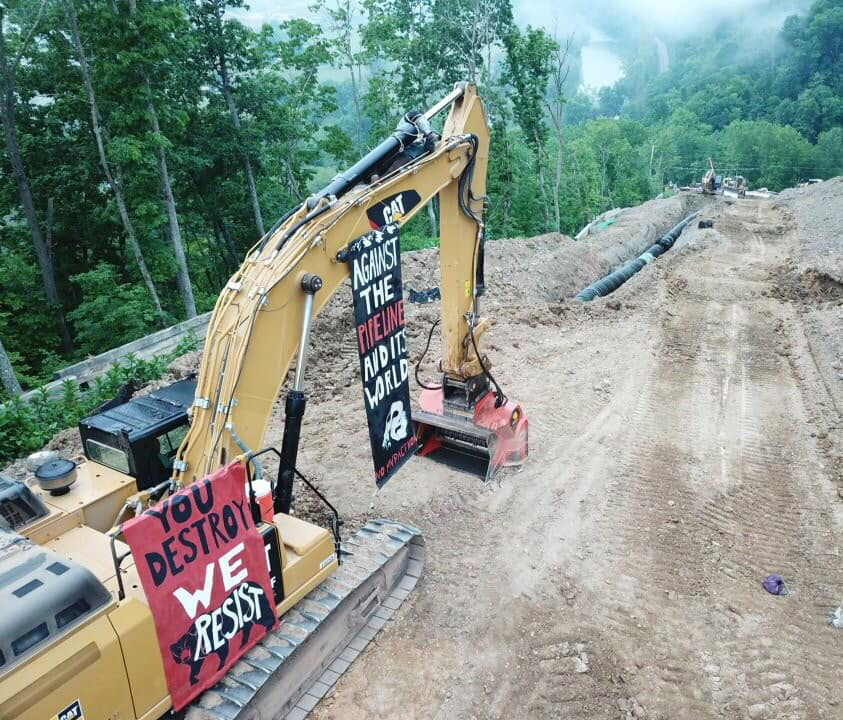
A pipeline protester hung banners from and locked themselves to equipment before being forced down by weather. Photos courtesy of Appalachians Against Pipelines

Jeremy Edwards, above, was charged with threats of terrorist acts, a felony, for blockading the inside of a pipeline section in May. Photos courtesy of Appalachians Against Pipelines
“The state and MVP have seen how the misdemeanor charges and sentences police and prosecutors had been imposing failed to stop pipeline fighters from putting their bodies in the way of construction,” wrote the spokesperson in an email.
The Appalachians Against Pipelines spokesperson states that the felony charges have not affected their resolve.
“The range of tactics the state is using against us has shifted; the urgency of fighting back against the expansion of fracked gas infrastructure has only intensified,” they wrote.
According to Emily Satterwhite, director of Appalachian studies at Virginia Tech, it is not new for state and federal governments to use the law to put corporations before people in the region, citing conflicts between coal companies and unionizing miners in the early 20th century. Satterwhite chained herself to Mountain Valley construction equipment in Montgomery County, Va., in June 2018, and was sentenced to 200 hours of community service.
“In Virginia, I didn’t face felony charges and Red and Minor Terry didn’t face felony charges. In West Virginia, Becky Crabtree didn’t face felony charges,” says Satterwhite, referring to other protesters. “These young people who are putting their bodies on the line for us who live along the route are facing much stiffer charges. In my mind, that makes it even more important for long-time residents along the route to step up and say, ‘No, these people are speaking up for us.’”
In Elliston, Va., protesters have occupied trees in the path of the Mountain Valley Pipeline for more than eight months. On May 18, Southwest Virginia grandmother Crystal Mello ascended a tree to join the tree-sit, which was ongoing as of press time in late May. On May 13, pipeline developers asked a federal judge to forcibly extract the protesters before the end of the month.
Mountain Valley Pipeline, LLC, stated in the court document that they would have to bring another tree-cutting crew back in August if they are unable to fell the trees by June, which would cost the company approximately $22,000.
Read about the latest legal disputes and pipeline coating safety concerns in our June/July issue.
Related Articles
Latest News
More Stories

‘First Line of Defense’
During Hurricane Helene and its aftermath, rural fire departments and other first responder hubs played critical roles in keeping their communities safe, even without power and cut off from outside support for days or weeks after the storm. Two years later, plenty of work remains to ensure these hubs have the resources they need to operate day to day and be ready when emergencies or natural disasters strike.

The Rocky Road — and Bridge — to Recovery
Hurricane Helene is estimated to have damaged nearly 7,000 private roads and bridges in Western North Carolina. Two years later, many restoration projects are complete, but the journey hasn’t been easy — and isn’t over for others.
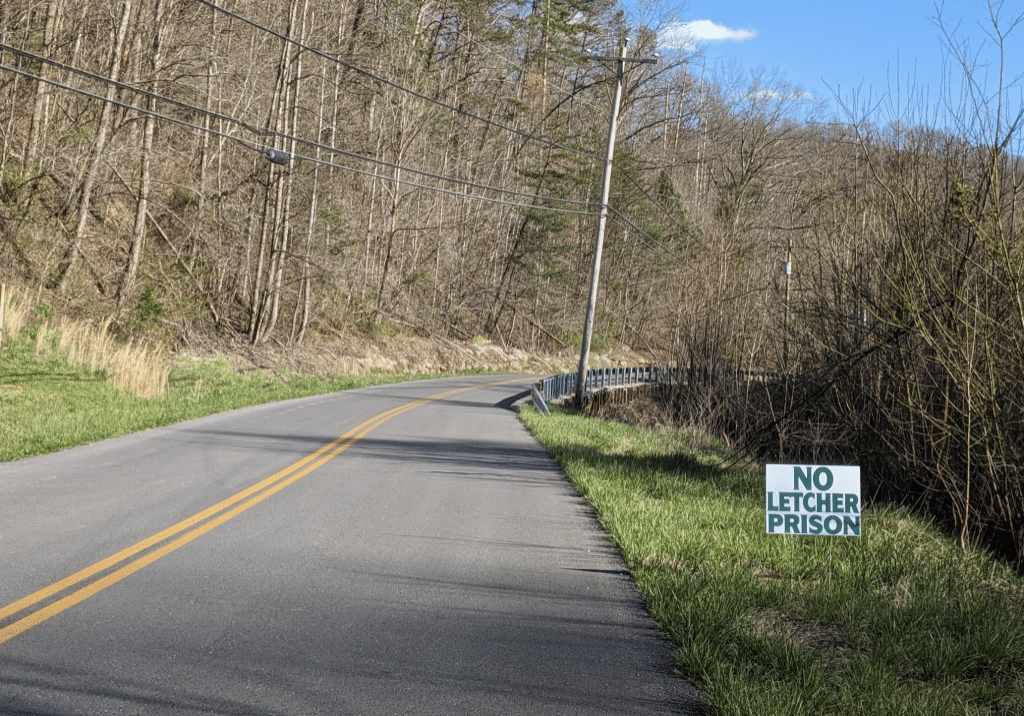
After 20 Years, Letcher County Prison Proposal Is Still Alive, Though Obstacles Remain
A $605 million proposal for a federal prison on a former strip mine site in Letcher County, Kentucky, championed by U.S. Rep. Hal Rogers, refuses to die, despite local opposition, a lack of support from the executive branch and numerous other obstacles.
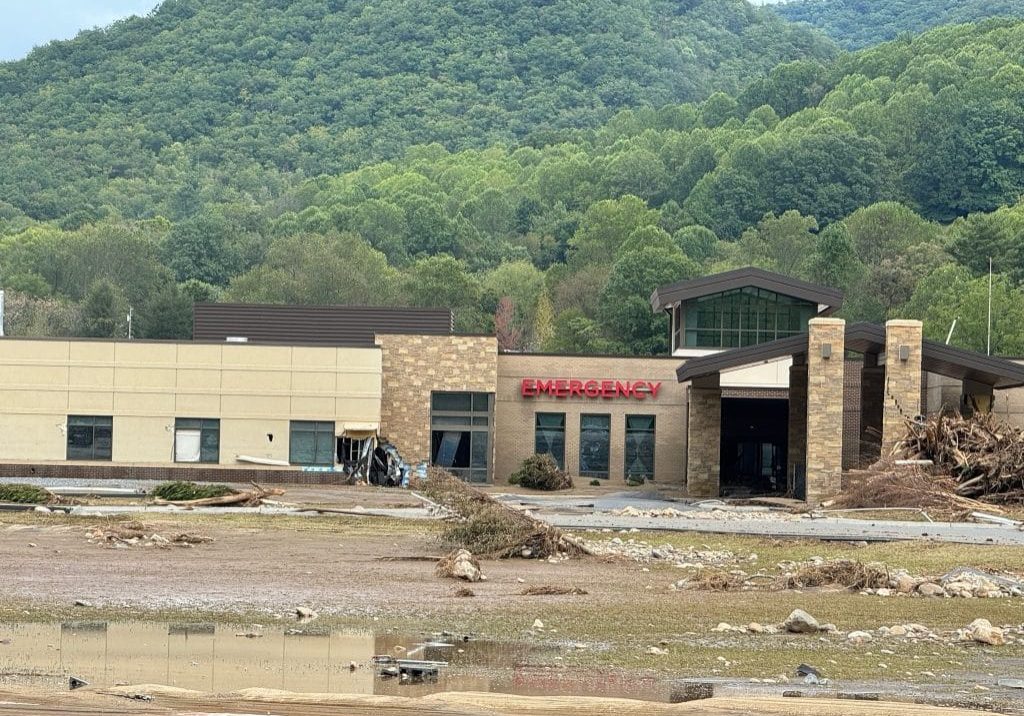
The Washout and Rebuild
For nearly two years, residents of Unicoi County, Tennessee, have had to make do without a hospital after Hurricane Helene destroyed the rural hospital. Ballad Health, which owns the hospital, broke ground on a new location — in another floodplain — in August 2026.
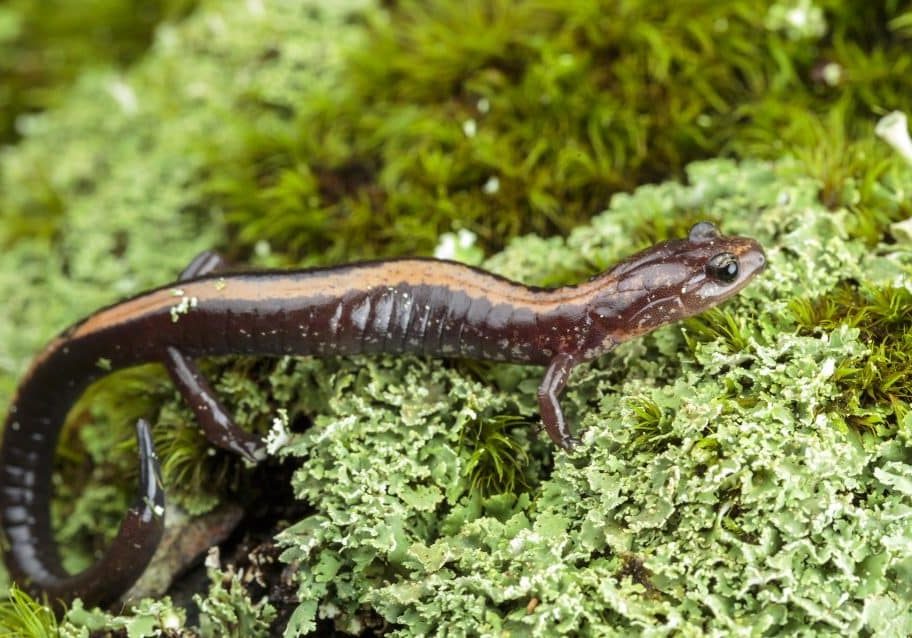
The Shenandoah Salamander
The Shenandoah salamander is a woodland salamander, which has adapted to life at higher elevations away from water. This sparkling rarity lives among the dry leaves, cracked logs, and stony hillocks on the highest peaks of Shenandoah National Park.
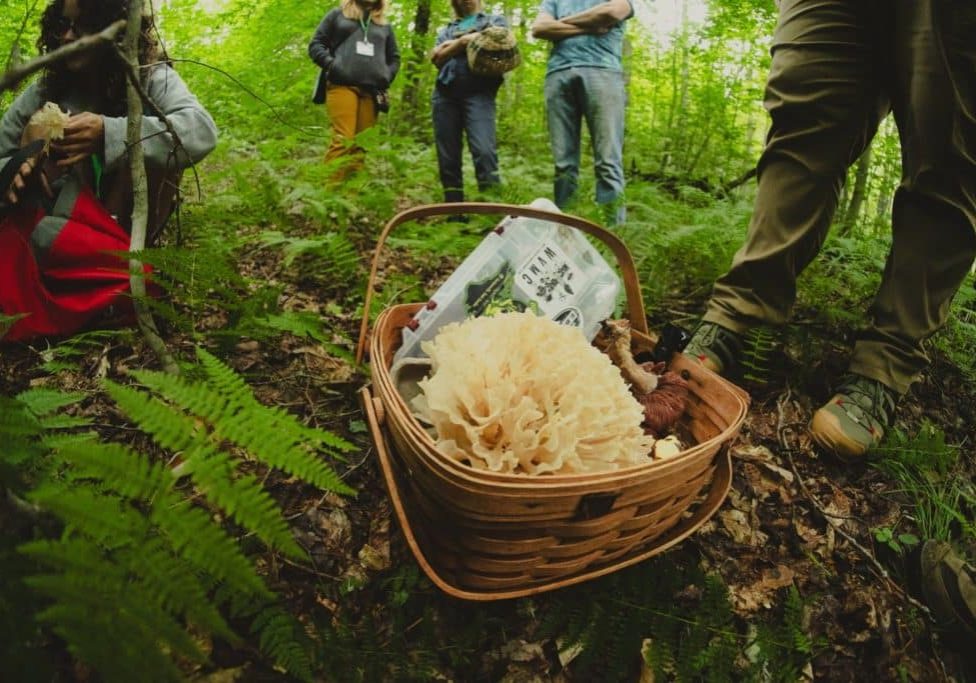
‘Foraging Is a Way of Connecting’
Foraging has experienced a modern resurgence, partly because of social media, online groups, the pandemic and people wanting to connect with nature. It also builds community, whether in person or online.

Leave a comment
Your email address will not be published. Required fields are marked *
Leave a Comment