


Fracking-related activities release an estimated 450,000 tons of pollutants into the air each year nationwide, which can have immediate public health effects. Photo courtesy of PNS
A governor-appointed commission could begin approving fracking leases on Ohio’s state lands as early as next month.
Jenny Morgan a volunteer for the group Save Ohio Parks who will be rallying experts and environmental activists in Columbus Oct. 27, said fracking and related infrastructure are linked to increased childhood cancers, fertility and hormone disruption and a host of other negative health effects.
“Gas and oil drilling, hydrofracking is anything but (safe),” Morgan contended. “The waste stream is radioactive waste that has to be re-injected, has to be carted away by trucks. It’s light pollution, it’s noise pollution, it’s air pollution.”
Gov. Mike DeWine signed House Bill 507 into law this year, which mandates the state approve permits for oil and gas leasing on state-owned land. The fracking industry and other supporters of the legislation argued expanding fracking to state lands will benefit communities economically and keep energy costs affordable.
Morgan pointed to polls in recent years showing most residents are either strongly opposed, somewhat opposed, or unsure about fracking as a means of energy production in their state.
“We’re going to make our voices heard,” Morgan asserted. “Even though they have told us that our voices don’t matter and shown us that our voices don’t matter, we’re still going to stand up and insist that this not happen.”
According to the Yale School of the Environment, health effects increasingly linked to living near fracking include cancer, low birth weight, disruptions to the endocrine system, nose bleeds, headaches, and nausea.
Reporting by Ohio News Connection in association with Media in the Public Interest and funded in part by the George Gund Foundation.
This article was originally published by Public News Service on Oct. 19, 2023
Related Articles
Latest News
More Stories

Halloween Approaches, and Night School Is in Session
The House of Art in Bluefield, West Virginia, looks like a haunted tower, making it the perfect location for its sixth annual haunt event: Night School. The Night School will be open every Friday and Saturday night through Oct. 31.
‘The Most Perfect Act of Love’
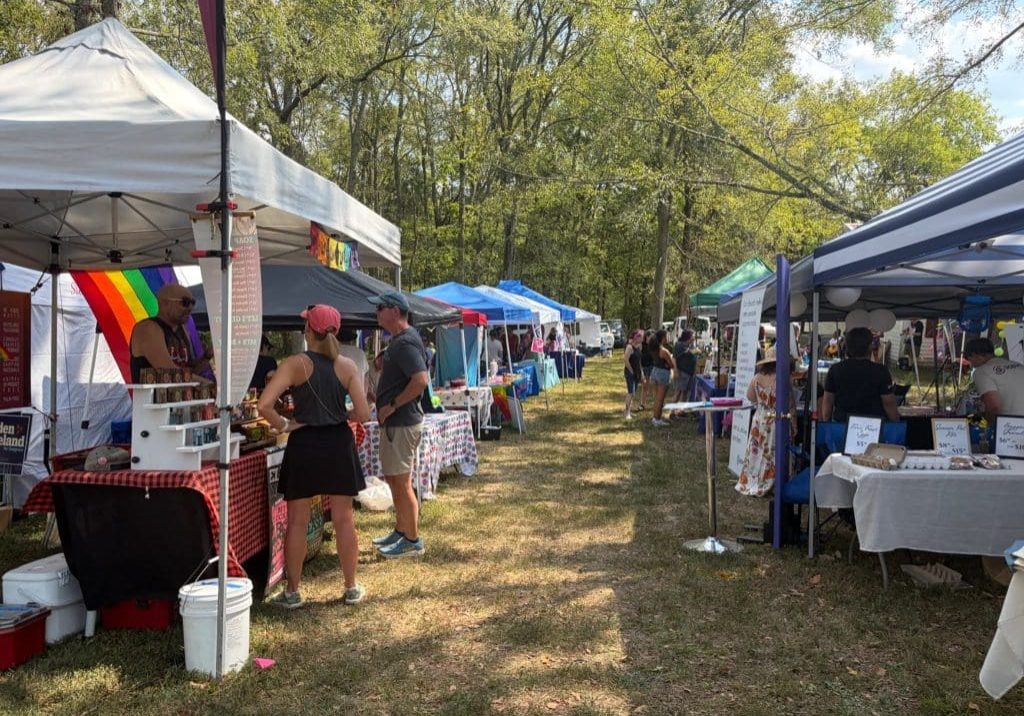
After losing its rural pride celebration, hundreds of people attended the second annual Affirming Sumner Pride celebration on a 24-acre farm dubbed “Fruity Farm” in Bethpage, Sumner County, Tennessee.
Signs of Life
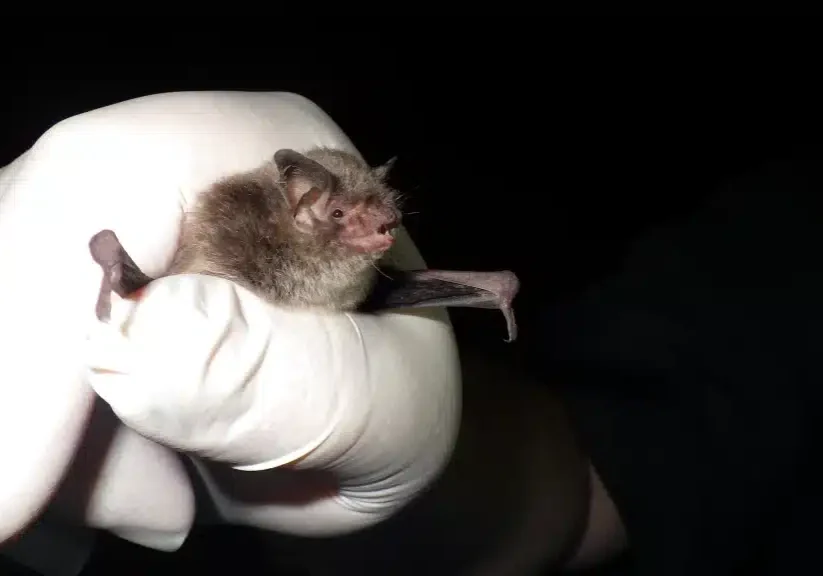
In the Nantahala National Forest, a team of biologists spotted Indiana bats, an endangered species that hasn’t been seen in North Carolina for the last 11 years.
‘First Line of Defense’
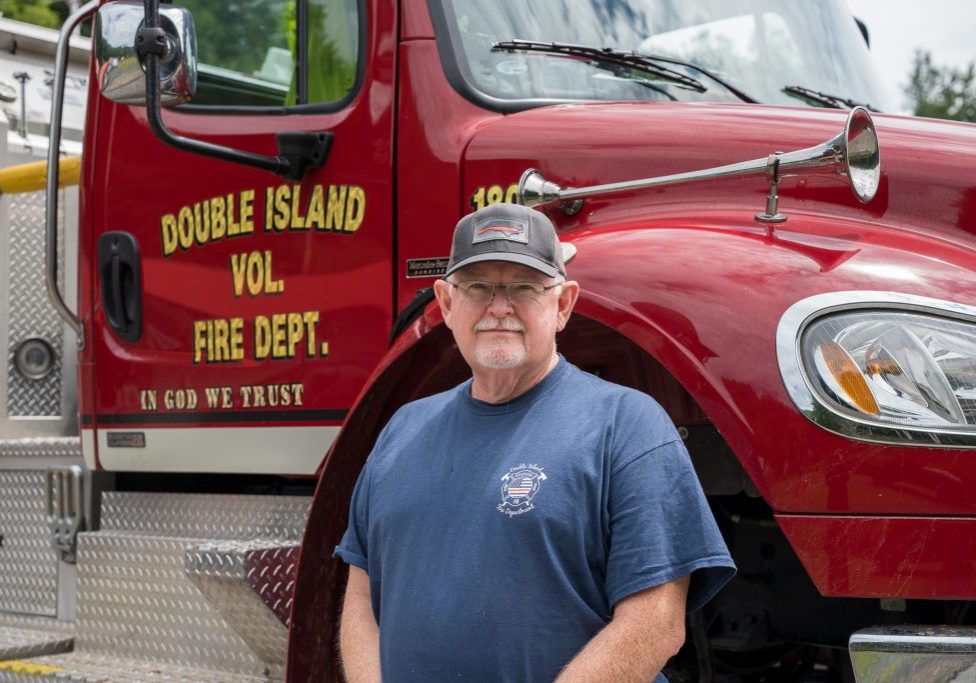
During Hurricane Helene and its aftermath, rural fire departments and other first responder hubs played critical roles in keeping their communities safe, even without power and cut off from outside support for days or weeks after the storm. Two years later, plenty of work remains to ensure these hubs have the resources they need to operate day to day and be ready when emergencies or natural disasters strike.
The Rocky Road — and Bridge — to Recovery
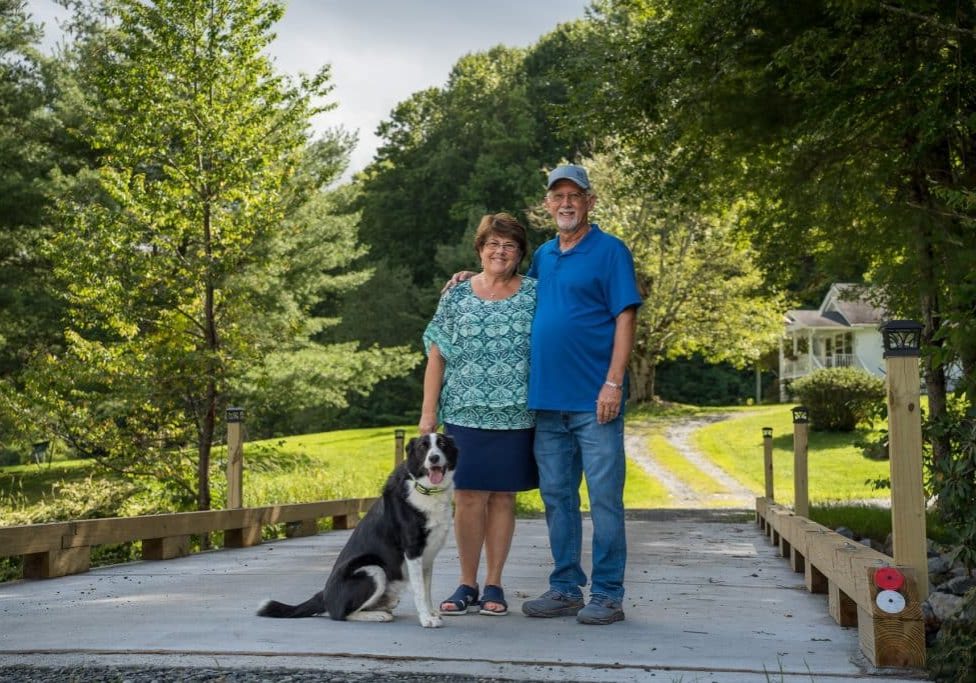
Hurricane Helene is estimated to have damaged nearly 7,000 private roads and bridges in Western North Carolina. Two years later, many restoration projects are complete, but the journey hasn’t been easy — and isn’t over for others.
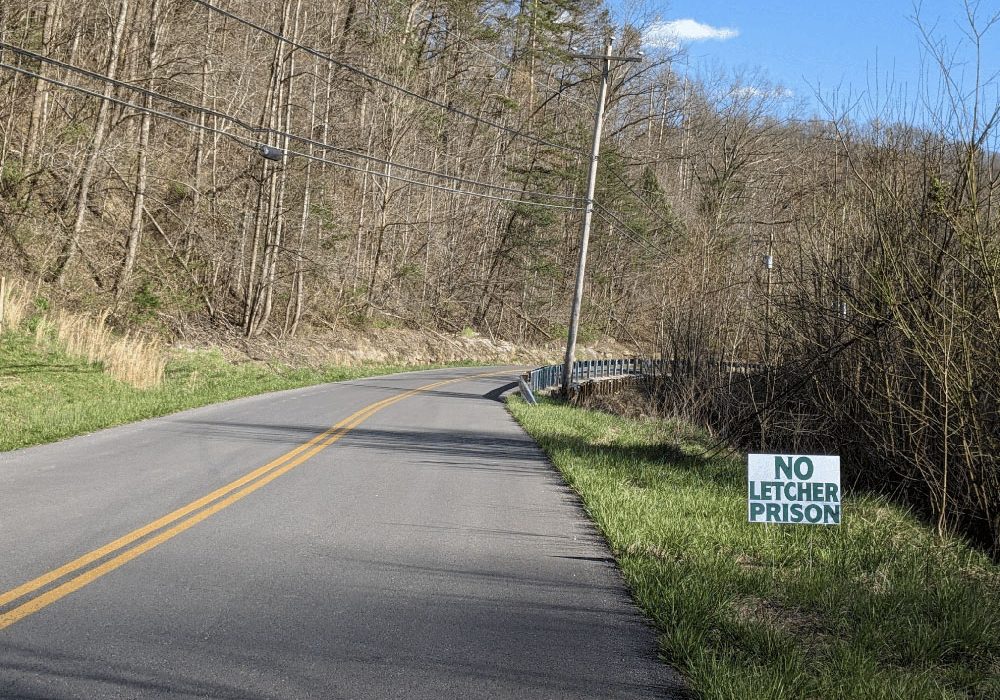
After 20 Years, Letcher County Prison Proposal Is Still Alive, Though Obstacles Remain
A $605 million proposal for a federal prison on a former strip mine site in Letcher County, Kentucky, championed by U.S. Rep. Hal Rogers, refuses to die, despite local opposition, a lack of support from the executive branch and numerous other obstacles.

Leave a comment
Your email address will not be published. Required fields are marked *
Leave a Comment