

By Nadia Ramlagan, Public News Service
WHITESBURG, Ky. — Congress has allowed the Abandoned Mine Lands (AML) program to expire, and advocates said nationwide on both state and tribal lands, residents face uncertainty over the future of environmental cleanup and economic recovery on lands once used to mine coal.
The program was reauthorized in 2006 for fifteen years, but it expired Sep. 30, when lawmakers failed to pass President Joe Biden’s infrastructure bill.
Chelsea Barnes, legislative director for the group Appalachian Voices, said the AML program is the only source of revenue coal-mining communities have to clean up health hazards left behind by the coal industry.
“We’ve heard from leadership it will be passed this October,” Barnes noted. “But I think that until that happens you’re going to see a lot of state and tribal agencies in a holding pattern waiting to see what happens.”
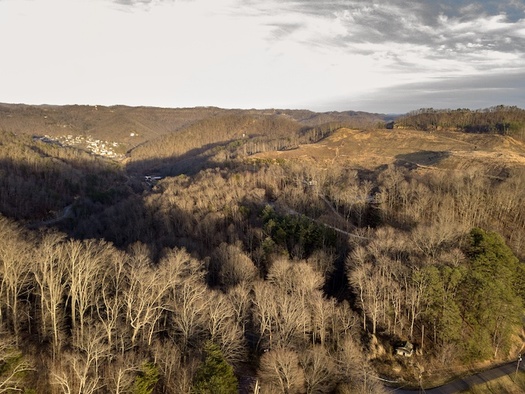
Kentucky has a backlog of more than 1,000 abandoned mine land sites that qualify for federal assistance for cleanup. Photo: Adobe Stock
The bipartisan infrastructure bill would reauthorize the AML program and coal severance fee at a reduced rate, and includes an additional $11.3 billion dollars for mine cleanup that supporters argue would create thousands of new jobs in coal regions.
Rebecca Shelton, director of policy and organizing for the Appalachian Citizens’ Law Center, pointed out since the fund’s creation, states have received a total of $6 billion in AML grants.
“So what we have on the table in this infrastructure investment and jobs act, is not only a reauthorization, but an additional $11 billion,” Shelton explained. “It’s needed so much for our communities.”
She emphasized in addition to restoring the natural landscape, reducing the odds of landslides and improving drinking water, repurposing old mine land boosts local economies.
“In Kentucky alone, we have over $900 million in abandoned mine land liability, and these mine lands are old mine lands,” Shelton stated.
Experts said the full cost of reclaiming all remaining abandoned mine sites in the nation will likely exceed $20 billion.
Editor’s Note: This story was originally published by Public News Service on Oct. 5, 2021.
Related Articles
Latest News
More Stories
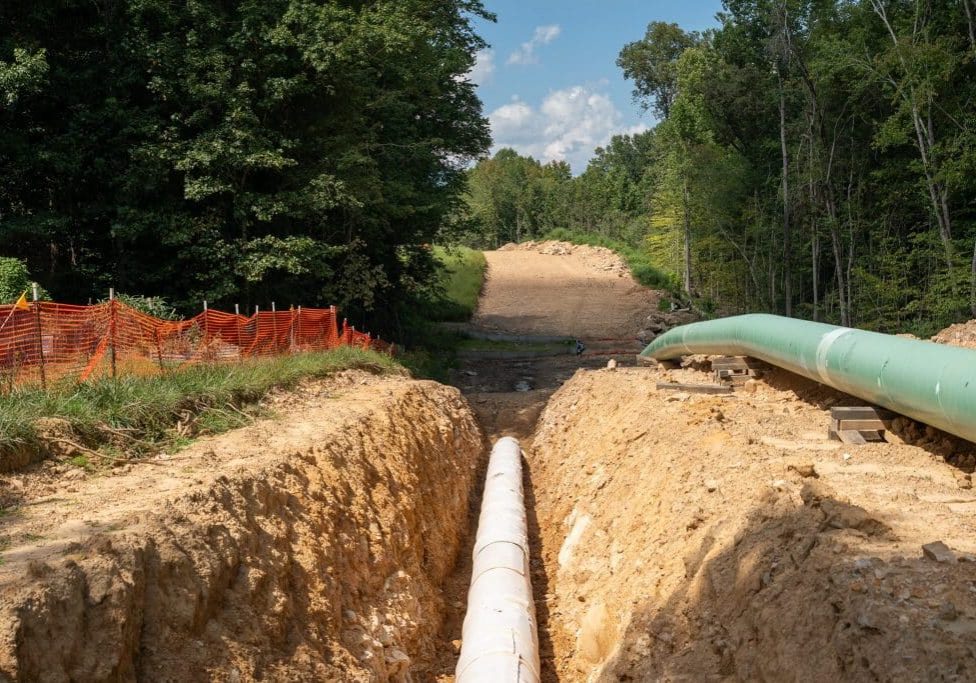
Ridgeline Pipeline Construction Impacts in Rural East Tennessee
Neighbors share about noise, unpredictable construction schedules and other disruptions due to methane gas pipeline construction in East Tennessee. The 122-mile Ridgeline Expansion Project, constructed and owned by East Tennessee Natural Gas, a subsidiary of Enbridge, a multibillion-dollar Canadian fossil fuel company, was approved to go into service Nov. 1.

Neighbors Help Neighbors
A photo essay that celebrates the volunteer spirit of the grassroots group Hurricane Helene WNC and speaks to the resourcefulness, collaboration and hard work embodied by thousands and thousands of volunteers, first responders and aid workers across the region after Hurricane Helene.

Halloween Approaches, and Night School Is in Session
The House of Art in Bluefield, West Virginia, looks like a haunted tower, making it the perfect location for its sixth annual haunt event: Night School. The Night School will be open every Friday and Saturday night through Oct. 31.

‘The Most Perfect Act of Love’
Hundreds of people attended the second annual Affirming Sumner Pride celebration on a 24-acre farm dubbed “Fruity Farm” in Bethpage, Sumner County, Tennessee.

Signs of Life: Endangered Bats Found in Nantahala for First Time in More Than a Decade
In the Nantahala National Forest, a team of biologists spotted Indiana bats, an endangered species that hasn’t been seen in North Carolina for the last 11 years.

‘First Line of Defense’
During Hurricane Helene and its aftermath, rural fire departments and other first responder hubs played critical roles in keeping their communities safe, even without power and cut off from outside support for days or weeks after the storm. Two years later, plenty of work remains to ensure these hubs have the resources they need to operate day to day and be ready when emergencies or natural disasters strike.

Leave a comment
Your email address will not be published. Required fields are marked *
Leave a Comment