

 By Devin Mullins
As more people spend time outdoors enjoying the warmer weather, the public officials at the Tennessee Department of Environment and Conservation are developing the state’s 10-year public recreation plan. TDEC accepted public feedback on initial priorities through March 15.
The plan, formally known as “TN 2030: Tennessee State Recreation Plan,” is meant to outline broad priorities for the department and set both short- and long-term action items for improving the state’s park and recreation opportunities.
COVID-19 Recommendations
The Centers for Disease Control and Prevention recommends outdoor activities like recreation as safer alternatives to indoor public activities.
TDEC describes TN 2030 as “a roadmap for the future of outdoor public recreation.”
In June 2020, TDEC Commissioner David Salyers created the Tennessee Recreation Advisory Committee, an ad hoc body made up of both public and private leaders in Tennessee. The committee’s primary purpose is to develop recommendations for the Statewide Comprehensive Outdoor Recreation Plan to encourage stakeholder participation and monitor the implementation of the final plan.
“A portion of [TN 2030] will be the Statewide Comprehensive Outdoor Recreation Plan (SCORP), which will serve as a guide for all public outdoor recreation in urban and rural neighborhoods, cities, and regions for our state,” wrote Alisha Eley, an associate at Kimley-Horn, a nationwide planning and design consultation firm that is responsible for writing the TN 2030 plan.
All 50 states are required to prepare a state recreation plan every five years to be eligible for funding from the federal Land and Water Conservation Fund, which uses earnings from offshore oil and gas leasing to strengthen domestic conservation efforts.
Consultants at Kimley-Horn collected feedback from the public about the advisory committee’s draft list of priorities via an online form through March 15. Their draft priorities are Advocacy and Education; Collaboration and Partnerships for Economic Success; Conservation; and Inclusivity, Diversity, Equity, Access, Affordability. Each of these priorities is accompanied by three to five specific goals.
“Planning is an integral part of what we do, and we want to hear from Tennesseans about their thoughts for parks and conservation long term,” said TDEC Commissioner David Salyers in a press statement.
The survey questions prompt participants to choose the three priorities and goals that they feel are the most important, and also ask participants for suggestions on priorities that are not included on the draft list. The agency had received approximately 200 responses as of the public comment period’s original end date of Feb. 19. TDEC extended the comment period to March 15 to allow for more public participation.
Eley stated that the advisory committee will use the data from the comment form to finalize the list of priorities and goals.
“We will be facilitating public meetings to review the draft plan once it is ready,” says Eley.
As of Feb. 19, respondents had most frequently submitted Greenways and Trails, Equity, and Conservation as their top priorities. The counties with the most submissions at that time were Davidson, Knox and Hamilton.
“We are exploring additional public engagement opportunities but have not decided on any final details yet,” says Eley.
Editor’s Note: This story was updated on March 19 to reflect the closing of the comment period on TDEC’s 10-year public recreation plan.
Related Articles
Latest News
More Stories
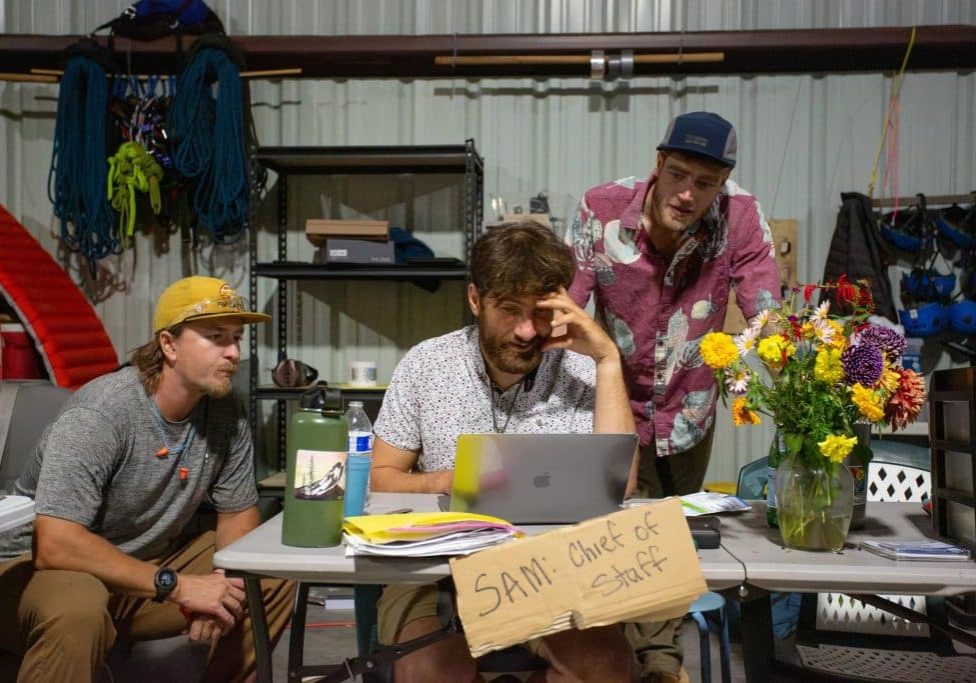
Neighbors Help Neighbors
A photo essay that celebrates the volunteer spirit of the grassroots group Hurricane Helene WNC and speaks to the resourcefulness, collaboration and hard work embodied by thousands and thousands of volunteers, first responders and aid workers across the region after Hurricane Helene.

Halloween Approaches, and Night School Is in Session
The House of Art in Bluefield, West Virginia, looks like a haunted tower, making it the perfect location for its sixth annual haunt event: Night School. The Night School will be open every Friday and Saturday night through Oct. 31.
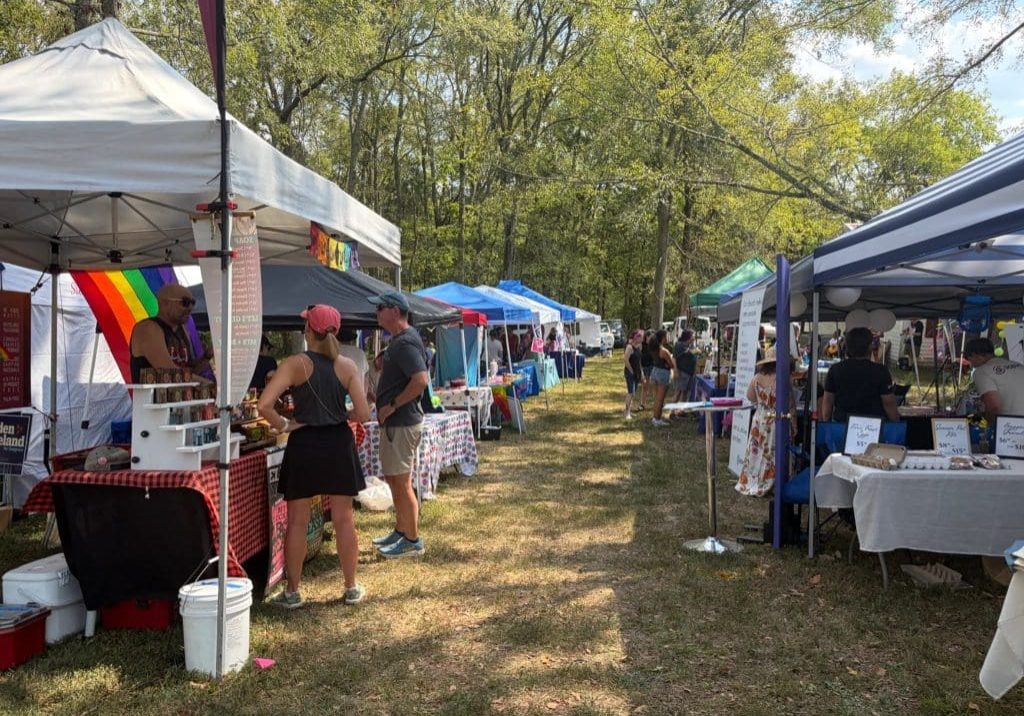
‘The Most Perfect Act of Love’
Hundreds of people attended the second annual Affirming Sumner Pride celebration on a 24-acre farm dubbed “Fruity Farm” in Bethpage, Sumner County, Tennessee.

Signs of Life: Endangered Bats Found in Nantahala for First Time in More Than a Decade
In the Nantahala National Forest, a team of biologists spotted Indiana bats, an endangered species that hasn’t been seen in North Carolina for the last 11 years.

‘First Line of Defense’
During Hurricane Helene and its aftermath, rural fire departments and other first responder hubs played critical roles in keeping their communities safe, even without power and cut off from outside support for days or weeks after the storm. Two years later, plenty of work remains to ensure these hubs have the resources they need to operate day to day and be ready when emergencies or natural disasters strike.

The Rocky Road — and Bridge — to Recovery
Hurricane Helene is estimated to have damaged nearly 7,000 private roads and bridges in Western North Carolina. Two years later, many restoration projects are complete, but the journey hasn’t been easy — and isn’t over for others.

Leave a comment
Your email address will not be published. Required fields are marked *
Leave a Comment