


Image courtesy of Public News Serice
By Nadia Ramlagan, Public News Service
WHITESBURG, Ky. — As more coal companies file for bankruptcy, it remains unclear what will happen to hundreds of thousands of acres of unreclaimed mine land in eastern Kentucky and the rest of Appalachia.
Eight coal companies declared bankruptcy in 2019, and that number is expected to rise amid declining demand for fossil fuels. Mary Varson Cromer, deputy director at the Appalachian Citizen’s Law Center, said 29% of all mining permits in Kentucky are now in bankruptcy.
“And all of those bankruptcies are cases where companies are dissolving and trying to sell all their permits,” Cromer said. “And we’ve seen in Cambrian and BlackJewel a real failure to get those permits sold and get the environmental liabilities transferred.”
Blackjewel gained nationwide attention in 2019 for failing to pay its employees. A bankruptcy court recently ruled the company could only be ordered to address environmental violations that constitute an immediate threat to public health and safety.
The company holds 209 Kentucky mine permits.
Meanwhile, homes located near mining sites are at risk from landslides, water pollution, flood hazards and other environmental threats. Willie Dodson, central Appalachian field coordinator at the group Appalachian Voices, said the mechanisms that are supposed to ensure funding is available for mine reclamation have failed coal communities.
“So the situation we’re in right now is, just a staggering amount of environmental cleanup liability is kind of hanging in the balance, as the industry draws down and companies go bankrupt,” Dodson said.
Cromer expects bond money and the state to cover some costs, but she said the industry is leaving behind large swaths of scarred land and miles of polluted streams.
“I think the most likely scenario is that there is some money for cleanup but not nearly enough,” Cromer said.
Federal legislation known as the RECLAIM Act would release up to $1 billion from the Abandoned Mine Land Reclamation Fund to clean up abandoned mines and spur economic development on reclaimed land. But the bill has stalled in the U.S. Senate.
Related Articles
Latest News
More Stories

Halloween Approaches, and Night School Is in Session
The House of Art in Bluefield, West Virginia, looks like a haunted tower, making it the perfect location for its sixth annual haunt event: Night School. The Night School will be open every Friday and Saturday night through Oct. 31.
‘The Most Perfect Act of Love’
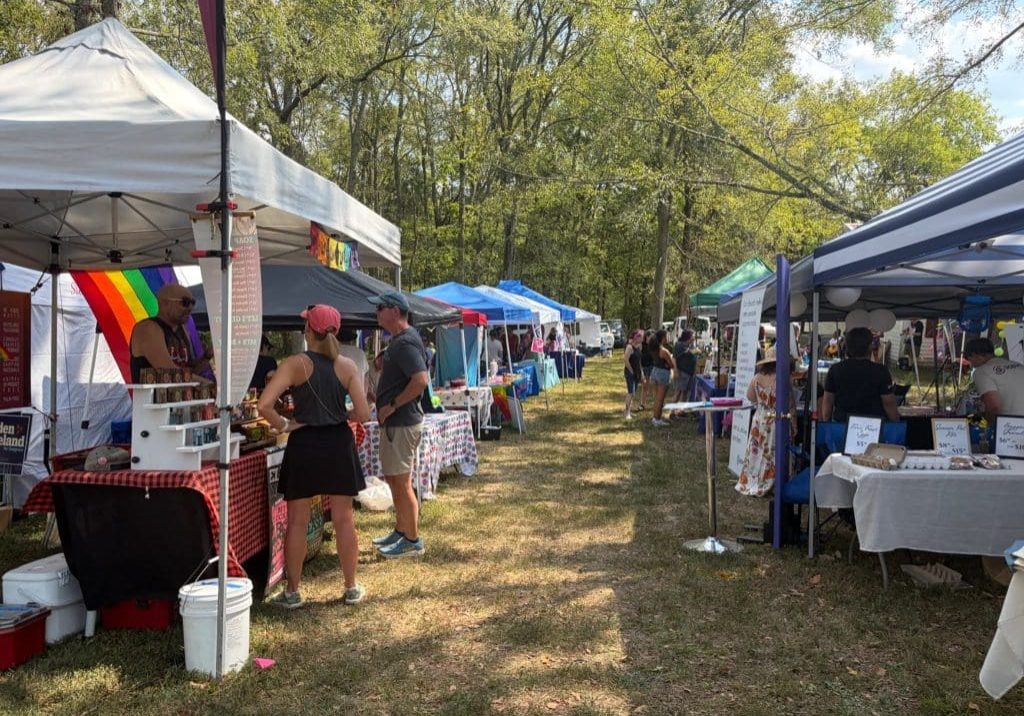
After losing its rural pride celebration, hundreds of people attended the second annual Affirming Sumner Pride celebration on a 24-acre farm dubbed “Fruity Farm” in Bethpage, Sumner County, Tennessee.

Signs of Life
In the Nantahala National Forest, a team of biologists spotted Indiana bats, an endangered species that hasn’t been seen in North Carolina for the last 11 years.

‘First Line of Defense’
During Hurricane Helene and its aftermath, rural fire departments and other first responder hubs played critical roles in keeping their communities safe, even without power and cut off from outside support for days or weeks after the storm. Two years later, plenty of work remains to ensure these hubs have the resources they need to operate day to day and be ready when emergencies or natural disasters strike.
The Rocky Road — and Bridge — to Recovery
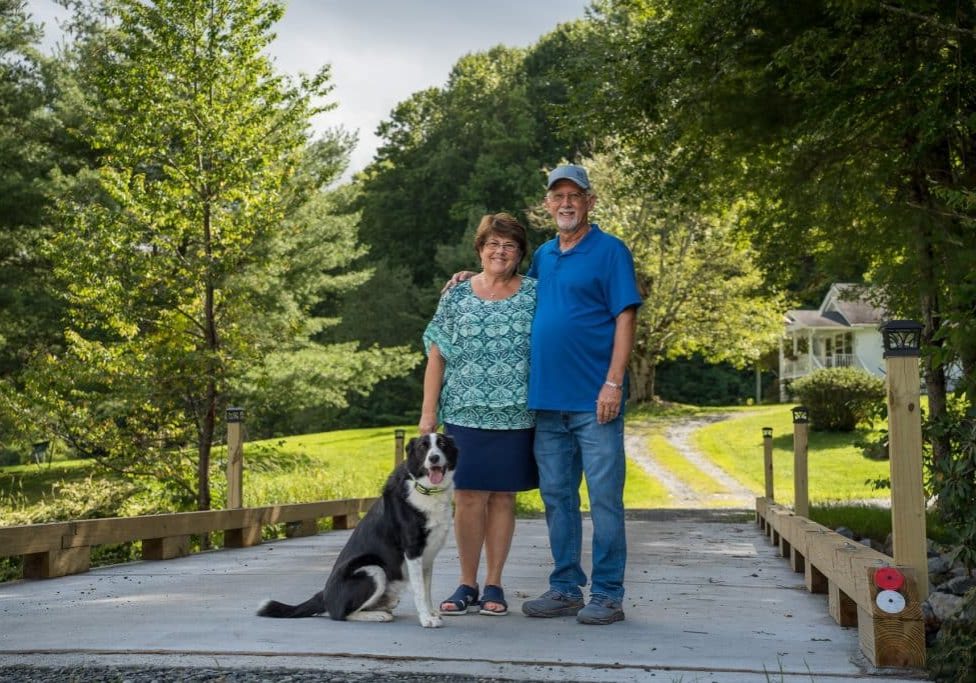
Hurricane Helene is estimated to have damaged nearly 7,000 private roads and bridges in Western North Carolina. Two years later, many restoration projects are complete, but the journey hasn’t been easy — and isn’t over for others.
After 20 Years, Letcher County Prison Proposal Is Still Alive, Though Obstacles Remain
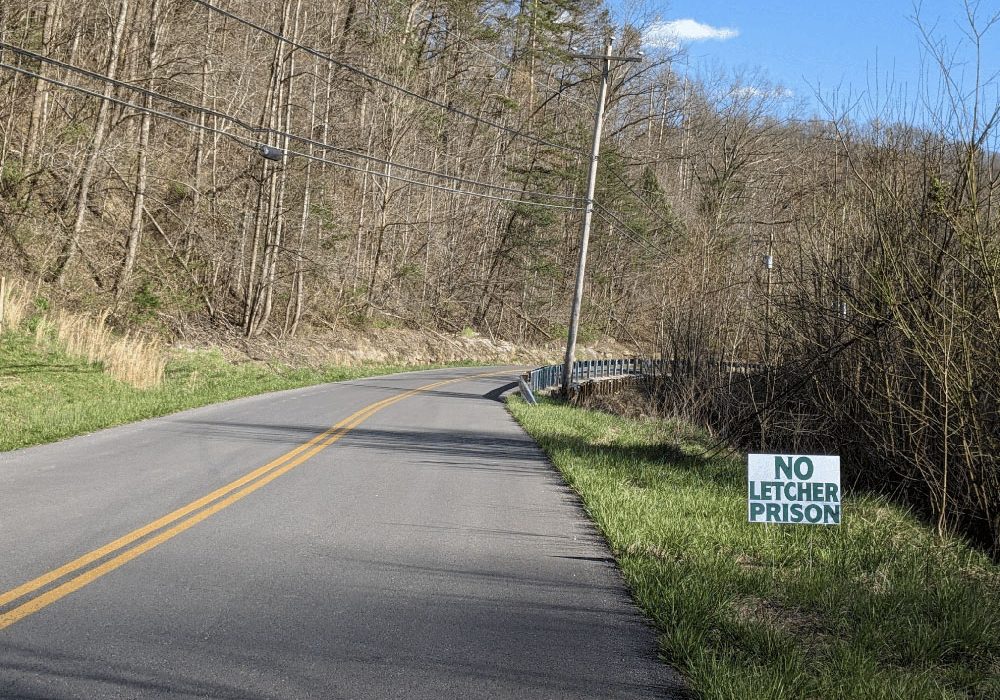
A $605 million proposal for a federal prison on a former strip mine site in Letcher County, Kentucky, championed by U.S. Rep. Hal Rogers, refuses to die, despite local opposition, a lack of support from the executive branch and numerous other obstacles.

Leave a comment
Your email address will not be published. Required fields are marked *
Leave a Comment