

Tennessee Adds Seven Sites to National Register of Historic Places
At the end of July, the Tennessee Historical Commission announced the addition of seven sites to the National Register of Historic Places, four of which are in Appalachian counties.
The Higginbotham Turnpike, a 4.7-mile segment of the Northern Removal Route of the 1838 Trail of Tears, is located in Van Buren and Warren counties. About 10,000 Native Americans in nine detachments passed through this area. Following the Indian Removal Act of 1830, the federal United States government expelled Native Americans from their homes and sent them on a forced march west.
The Dixie Mercerizing Company in Hamilton County opened in the late 1920s, where workers employed a process called mercerization to strengthen cotton fibers for textiles.The site is made up of six historic buildings that were built between 1920 and 1951 and updated over time to process synthetic fibers. Nearby, the Downtown Chattanooga Historic District, which previously had 13 features listed, expanded to 71 in recognition of the city’s architectural and commercial history. The district was a hub for banking, retail and government functions from the late-19th to mid-20th century.
In neighboring Marion County, the Ebenezer Cumberland Presbyterian Church was added to the national register. Constructed in 1914, the church is distinguished by its stained glass windows, weatherboard siding, exposed rafters and other historic elements of the Gothic Revival Style.
Sites on the register are given access to tax provisions as well as federal grants for historic preservation. Federal agencies are also required to consider these sites’ historic value when making surface mining permit decisions and when planning federal projects. — By Emerson Wells
Related Articles
Latest News
More Stories

Signs of Life
In the Nantahala National Forest, a team of biologists spotted Indiana bats, an endangered species that hasn’t been seen in North Carolina for the last 11 years.

‘First Line of Defense’
During Hurricane Helene and its aftermath, rural fire departments and other first responder hubs played critical roles in keeping their communities safe, even without power and cut off from outside support for days or weeks after the storm. Two years later, plenty of work remains to ensure these hubs have the resources they need to operate day to day and be ready when emergencies or natural disasters strike.

The Rocky Road — and Bridge — to Recovery
Hurricane Helene is estimated to have damaged nearly 7,000 private roads and bridges in Western North Carolina. Two years later, many restoration projects are complete, but the journey hasn’t been easy — and isn’t over for others.
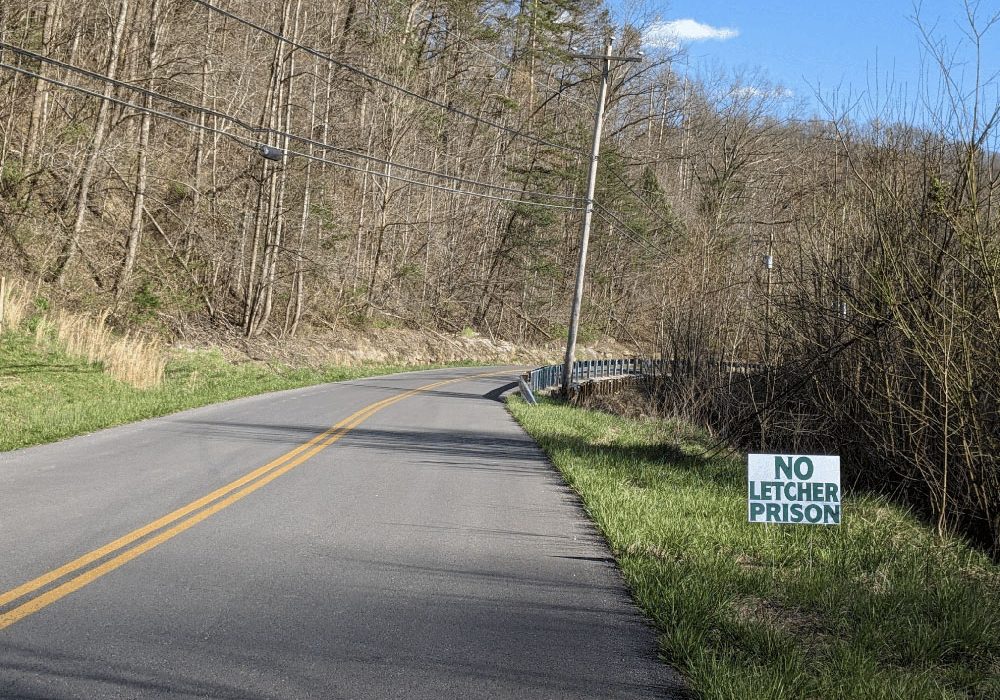
After 20 Years, Letcher County Prison Proposal Is Still Alive, Though Obstacles Remain
A $605 million proposal for a federal prison on a former strip mine site in Letcher County, Kentucky, championed by U.S. Rep. Hal Rogers, refuses to die, despite local opposition, a lack of support from the executive branch and numerous other obstacles.
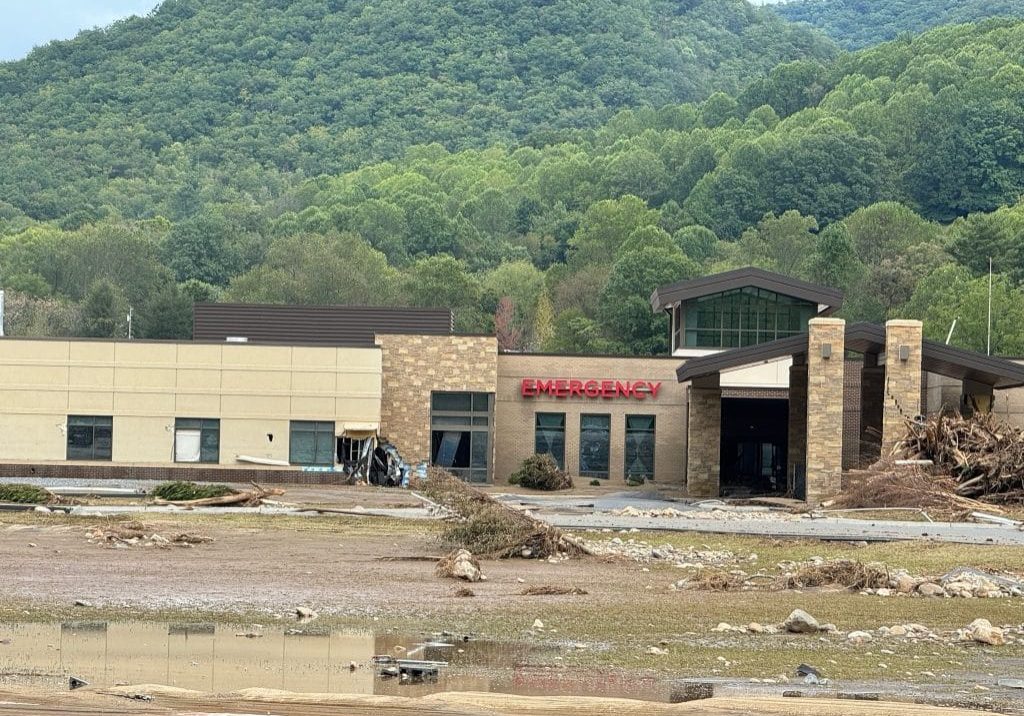
The Washout and Rebuild
For nearly two years, residents of Unicoi County, Tennessee, have had to make do without a hospital after Hurricane Helene destroyed the rural hospital. Ballad Health, which owns the hospital, broke ground on a new location — in another floodplain — in August 2026.

The Shenandoah Salamander
The Shenandoah salamander is a woodland salamander, which has adapted to life at higher elevations away from water. This sparkling rarity lives among the dry leaves, cracked logs, and stony hillocks on the highest peaks of Shenandoah National Park.

Leave a comment
Your email address will not be published. Required fields are marked *
Leave a Comment