


Sylvester Nolan of Red Bird Mission stands near newly installed solar panels. Photo courtesy of Mountain Association
News release from the Mountain Association
Red Bird Mission, a nonprofit organization located at the confluence of the Clay, Bell and Leslie County lines in Eastern Kentucky, recently installed 32 solar panels that will save them thousands on their utility bills.
The organization hosts a pre-kindergarten through 12th-grade accredited school, clinic, community store, craft program, dorms, affordable housing, cabins for volunteers and a variety of other services critical to the community. With electricity costs rising in all 65 buildings on their campus, Red Bird knew they had to do something. In 2017, they called the Mountain Association for Community Economic Development (MACED), now known as Mountain Association, for recommendations.
Since then, the Mountain Association has worked with them to complete several energy savings projects, and now estimates they are saving $42,000 a year. Because of the upgrades they made, their overall heating bill in the winter of 2019 dropped by $22,427 from the winter before.
“We are so grateful for all of the opportunities offered that led to a significant reduction of our energy costs, and provided key training opportunities for our staff and the community,” said Red Bird Mission Executive Director Kari Collins. “This has allowed us to move even further toward realizing the vision of creating and maintaining a healthy and sustainable community in and around the Red Bird valley.”
Red Bird Mission is on track to save even more as they continue to upgrade all their buildings, and now that their solar project is completed. The solar project alone will save them another estimated $6,000 a year.
Red Bird worked with the Mountain Association to design an energy internship for Cecil Hall, one of their longtime staff members. Hall is currently being trained in HVAC systems, lighting, sealing, crawl space encapsulation and solar. He will primarily complete the energy work at Red Bird.
To provide further support for these energy projects, the Mountain Association connected Red Bird Mission with the Left Coast Fund, which offers grants to nonprofits through their Solar Moonshot Program. The organization granted Red Bird Mission $25,000 to pay for the solar installation.
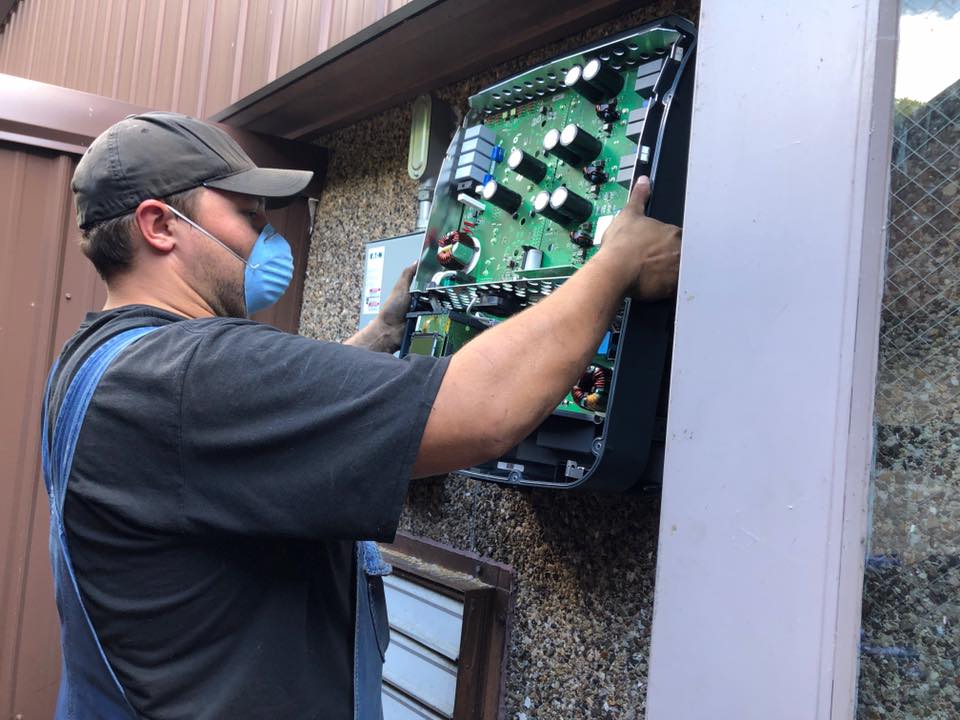
Fuzz Johnson works on the electrical components of the Red Bird Mission solar installation. Photo courtesy of H.O.M.E.S., Inc.
“It’s exciting to see Red Bird Mission, located in the heart of ‘coal country’ Kentucky, go solar and become clean energy champions,” said Tara Hammond, founder of Hammond Climate Solutions, who manages the Solar Moonshot Program on behalf of Left Coast Fund. “We’re thrilled to assist Red Bird Mission in showcasing how solar can reduce electric bills and mitigate impacts to the climate crisis while contributing to a healthier, more equitable future for all.”
The Mountain Association worked with staff at Red Bird to help with solar system design and review contractor proposals. In early July, Cecil Hall and Fuzz Johnson, an employee of nonprofit housing organization H.O.M.E.S. Inc., who is also being trained by the Mountain Association, finished the electrical work required to begin the installation. In late July, Wilderness Trace Solar, a company based in Danville, Kentucky, completed the installation.
After graduating from the internship program, Hall will be able to train other Red Bird Mission employees and volunteers to complete energy savings improvements without hiring outside labor. Red Bird Mission is planning to incorporate this training into an adult training programming where Hall can train other community members in these skills.
For more information on this project or the Mountain Association’s energy program, please contact Ariel Fugate, Communications Coordinator at (859) 302-3868 or [email protected].
Related Articles
Latest News
More Stories
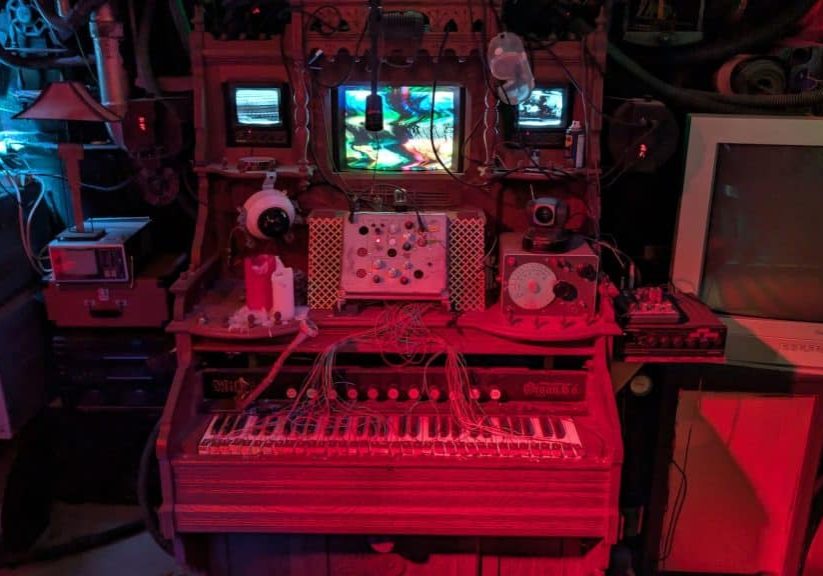
Halloween Approaches, and Night School Is in Session
The House of Art in Bluefield, West Virginia, looks like a haunted tower, making it the perfect location for its sixth annual haunt event: Night School. The Night School will be open every Friday and Saturday night through Oct. 31.
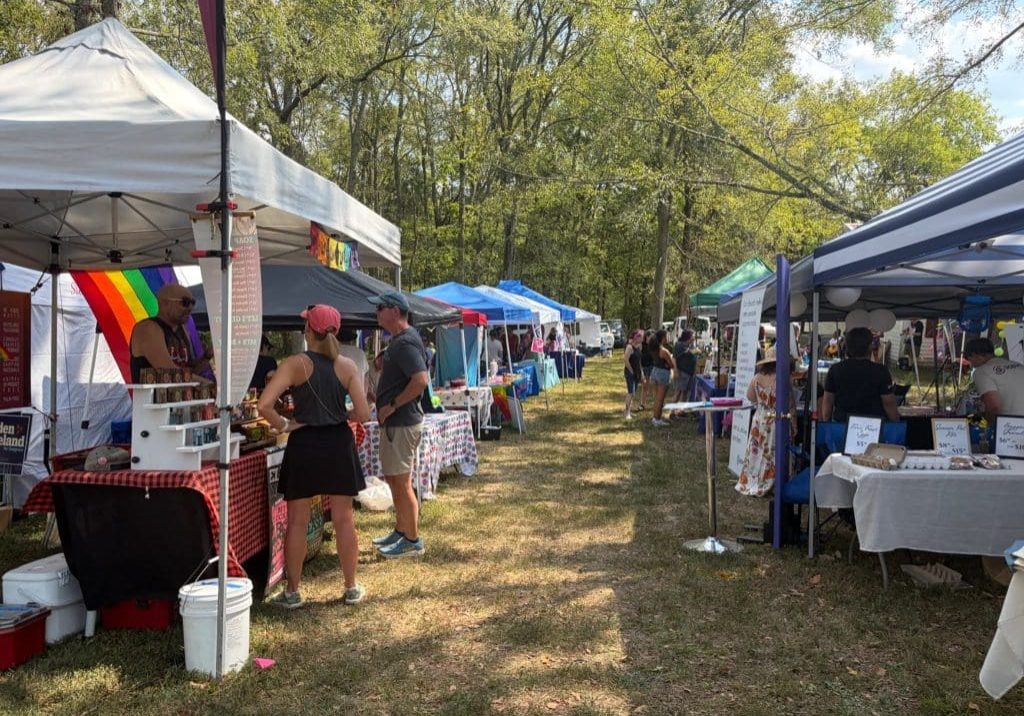
‘The Most Perfect Act of Love’
After losing its rural pride celebration, hundreds of people attended the second annual Affirming Sumner Pride celebration on a 24-acre farm dubbed “Fruity Farm” in Bethpage, Sumner County, Tennessee.
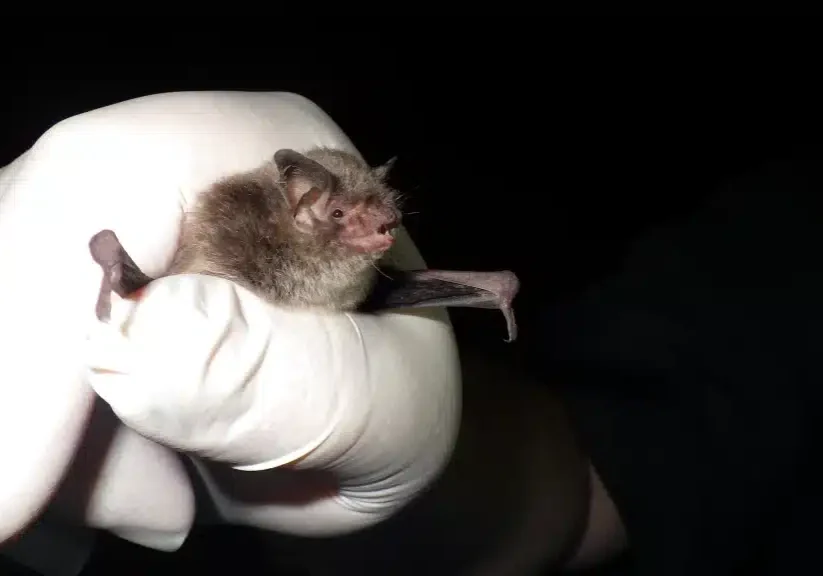
Signs of Life
In the Nantahala National Forest, a team of biologists spotted Indiana bats, an endangered species that hasn’t been seen in North Carolina for the last 11 years.

‘First Line of Defense’
During Hurricane Helene and its aftermath, rural fire departments and other first responder hubs played critical roles in keeping their communities safe, even without power and cut off from outside support for days or weeks after the storm. Two years later, plenty of work remains to ensure these hubs have the resources they need to operate day to day and be ready when emergencies or natural disasters strike.

The Rocky Road — and Bridge — to Recovery
Hurricane Helene is estimated to have damaged nearly 7,000 private roads and bridges in Western North Carolina. Two years later, many restoration projects are complete, but the journey hasn’t been easy — and isn’t over for others.
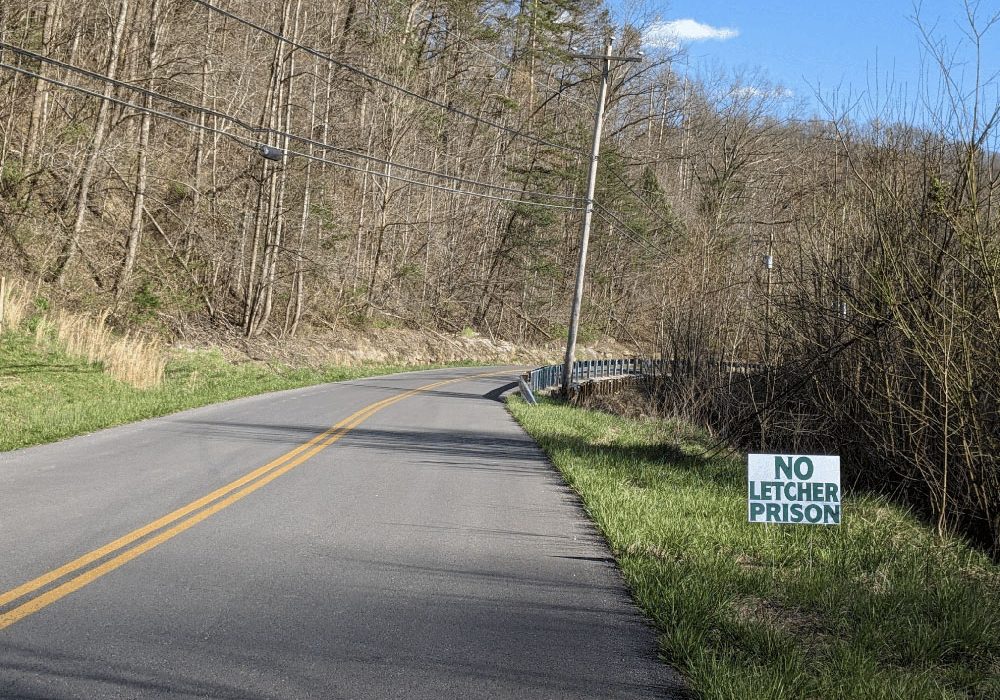
After 20 Years, Letcher County Prison Proposal Is Still Alive, Though Obstacles Remain
A $605 million proposal for a federal prison on a former strip mine site in Letcher County, Kentucky, championed by U.S. Rep. Hal Rogers, refuses to die, despite local opposition, a lack of support from the executive branch and numerous other obstacles.

Leave a comment
Your email address will not be published. Required fields are marked *
Leave a Comment