

President Donald Trump announced sweeping rollbacks to the National Environmental Policy Act in January. The law gives the public an opportunity to be involved in major permitting decisions that affect the environment and public health.
The changes would eliminate the requirement for agencies to review the cumulative impacts of projects like pipelines, power plants and highways, including their impacts on climate change. Additionally, if a highway were proposed for an area that already has poor air quality, the review process would not take the highway’s impact on cumulative neighborhood air quality into account. The proposals would also restrict public comment, impose stricter timelines for reviews and allow agencies to exempt more types of projects from the law.
On Feb. 13, the nonprofit Southern Environmental Law Center filed a preliminary injunction to block the rule change from going into effect, arguing that the Trump administration was failing to provide required public documents about its decision. The administration had said the documents would be made available in November, but the public comment period for the proposed rollback was scheduled to end on March 10.
Supporters of the change have argued it will end unnecessary environmental reviews. Under current law, however, such reviews only occur when the agencies involved declare a proposal will have a significant environmental impact. Of the 50,000 projects that could be subject to environmental review annually, environmental impact assessments are only conducted in 500 cases, according to The Partnership Project, a nonprofit group that opposes the NEPA change.
The Tennessee Valley Authority requested exemptions from NEPA in 2017 that go beyond the current proposals. TVA Public Information Officer Jim Hopson stated in February that the utility plans to finalize those changes soon, and that the White House rule changes would not affect TVA’s process.
To submit a comment on the federal changes, visit regulations.gov and search for Docket ID No. CEQ-2019-0003, or visit protectyourvoicenow.org.
Related Articles
Latest News
More Stories

Signs of Life
In the Nantahala National Forest, a team of biologists spotted Indiana bats, an endangered species that hasn’t been seen in North Carolina for the last 11 years.

‘First Line of Defense’
During Hurricane Helene and its aftermath, rural fire departments and other first responder hubs played critical roles in keeping their communities safe, even without power and cut off from outside support for days or weeks after the storm. Two years later, plenty of work remains to ensure these hubs have the resources they need to operate day to day and be ready when emergencies or natural disasters strike.

The Rocky Road — and Bridge — to Recovery
Hurricane Helene is estimated to have damaged nearly 7,000 private roads and bridges in Western North Carolina. Two years later, many restoration projects are complete, but the journey hasn’t been easy — and isn’t over for others.

After 20 Years, Letcher County Prison Proposal Is Still Alive, Though Obstacles Remain
A $605 million proposal for a federal prison on a former strip mine site in Letcher County, Kentucky, championed by U.S. Rep. Hal Rogers, refuses to die, despite local opposition, a lack of support from the executive branch and numerous other obstacles.
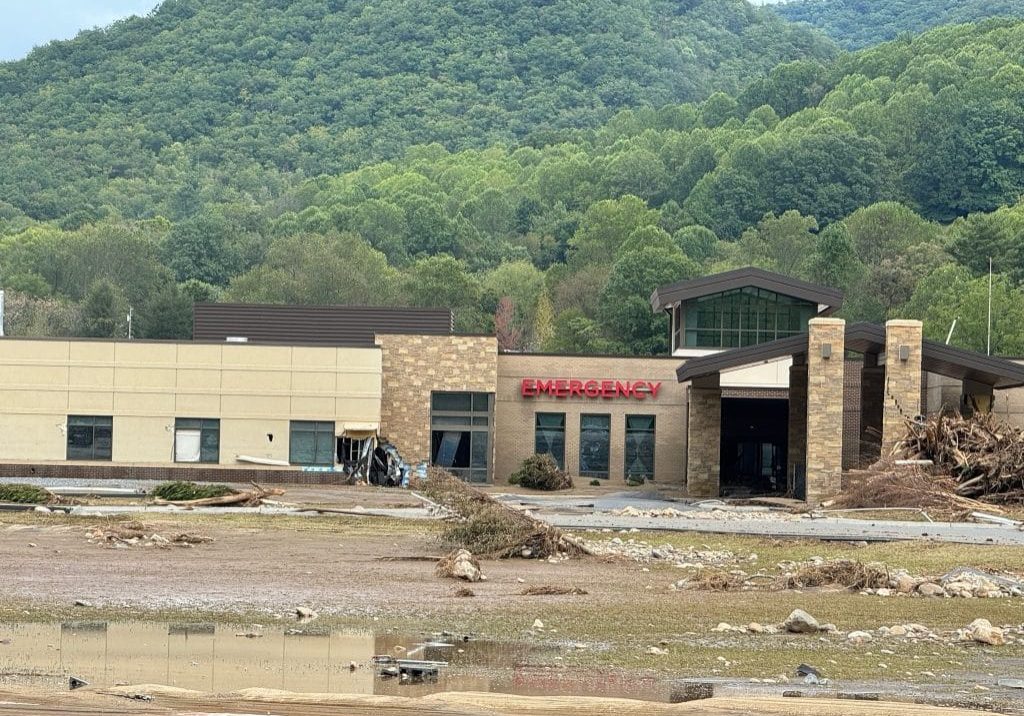
The Washout and Rebuild
For nearly two years, residents of Unicoi County, Tennessee, have had to make do without a hospital after Hurricane Helene destroyed the rural hospital. Ballad Health, which owns the hospital, broke ground on a new location — in another floodplain — in August 2026.
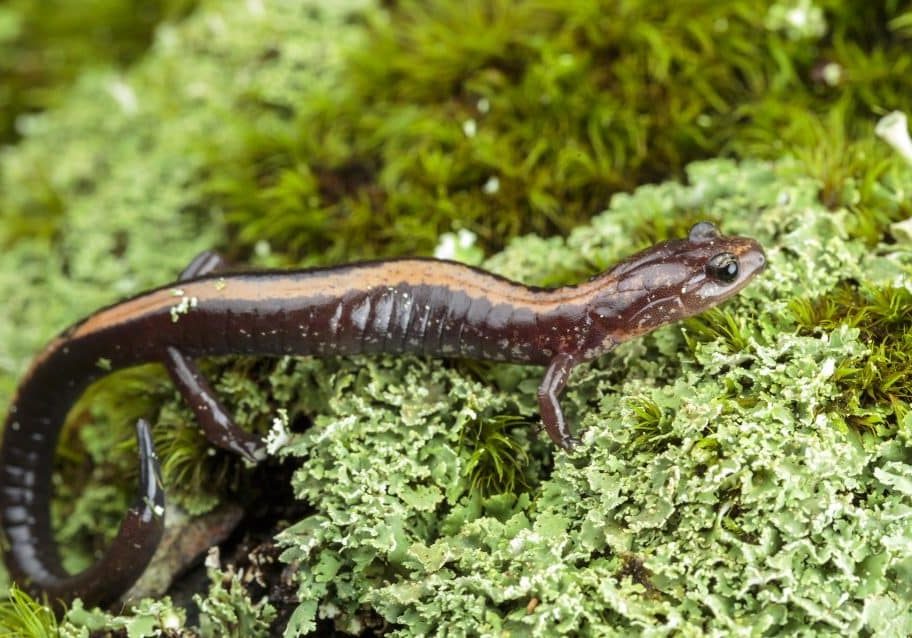
The Shenandoah Salamander
The Shenandoah salamander is a woodland salamander, which has adapted to life at higher elevations away from water. This sparkling rarity lives among the dry leaves, cracked logs, and stony hillocks on the highest peaks of Shenandoah National Park.

Leave a comment
Your email address will not be published. Required fields are marked *
Leave a Comment