

On Oct. 29, Murray Energy became the eighth coal company to file for bankruptcy in 2019. Analysts attributed the move to competition from cheap natural gas and renewables as well as declining export markets.
CEO Robert Murray, known for fighting against environmental regulations, will step down after the company’s bankruptcy.
Murray Energy was the last company paying into the United Mine Workers of America pension plan, and its filing has added urgency to a push to secure miners’ pensions. Unlike the July bankruptcy of Blackjewel and its related companies, Murray Energy’s mines were expected to continue operating during bankruptcy proceedings, which were ongoing at press time.
Blackjewel’s case is still unfolding. After a sustained protest by workers, the miners owed back wages were paid. But on Dec. 6, the Lexington Herald-Leader reported that Kopper Glo Mining, which purchased many of Blackjewel’s Kentucky mines during the bankruptcy sale, had idled mines and laid off non-salaried miners until at least Dec. 26.
A proposed sale of some of Blackjewel’s Wyoming mines to Eagle Specialty Minerals still lacks federal approval. And questions remain about when and how reclamation will proceed at the companies’ mines.
In early December, the U.S. Interior Department claimed Blackjewel owed $886,000 in royalties and taxes on coal mined after filing for bankruptcy — on top of the approximately $50 million it already owes the federal government.
Indemnity National Insurance Company, which insures the reclamation bonds for some of the companies’ mines, requested that Blackjewel pay Indemnity more than $66 million to cover the bonds for mines that were not sold during bankruptcy. Indemnity is responsible for either reclaiming the mines or paying the bond amounts to state agencies, which would then be responsible for reclaiming the sites. As of early December, bond forfeiture was underway on four Virginia mine permits owned by Blackjewel and its affiliate Revelation Energy.
In December, a judge ordered Blackjewel to account for more than $77,000 in expenses incurred during the bankruptcy proceedings, including lavish meals and hotel stays. — By Molly Moore
Related Articles
Latest News
More Stories

Halloween Approaches, and Night School Is in Session
The House of Art in Bluefield, West Virginia, looks like a haunted tower, making it the perfect location for its sixth annual haunt event: Night School. The Night School will be open every Friday and Saturday night through Oct. 31.

‘The Most Perfect Act of Love’
After losing its rural pride celebration, hundreds of people attended the second annual Affirming Sumner Pride celebration on a 24-acre farm dubbed “Fruity Farm” in Bethpage, Sumner County, Tennessee.

Signs of Life
In the Nantahala National Forest, a team of biologists spotted Indiana bats, an endangered species that hasn’t been seen in North Carolina for the last 11 years.

‘First Line of Defense’
During Hurricane Helene and its aftermath, rural fire departments and other first responder hubs played critical roles in keeping their communities safe, even without power and cut off from outside support for days or weeks after the storm. Two years later, plenty of work remains to ensure these hubs have the resources they need to operate day to day and be ready when emergencies or natural disasters strike.

The Rocky Road — and Bridge — to Recovery
Hurricane Helene is estimated to have damaged nearly 7,000 private roads and bridges in Western North Carolina. Two years later, many restoration projects are complete, but the journey hasn’t been easy — and isn’t over for others.
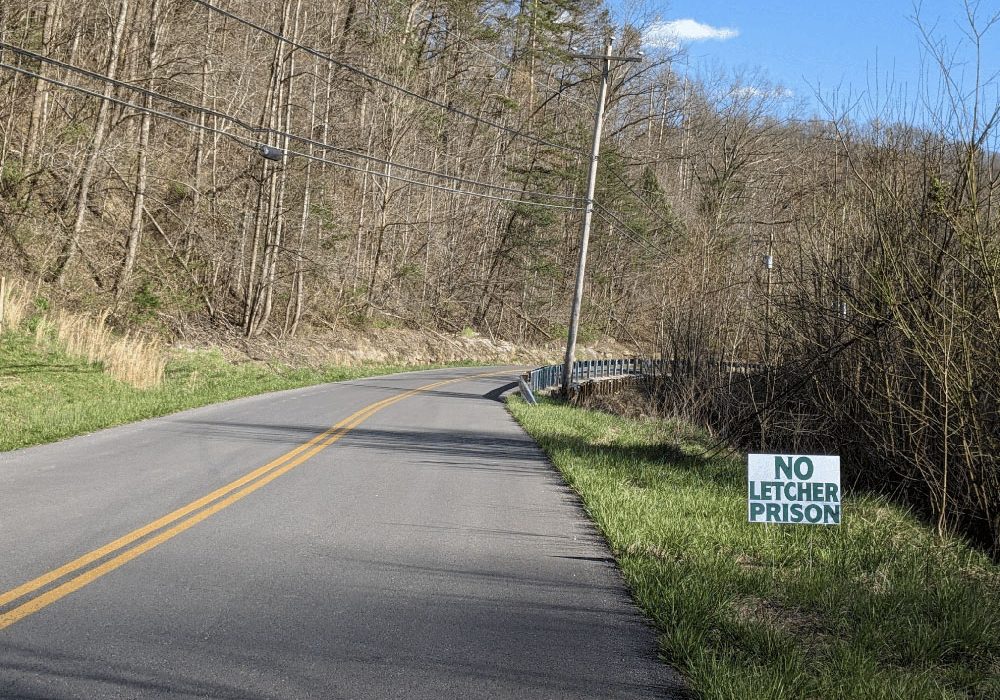
After 20 Years, Letcher County Prison Proposal Is Still Alive, Though Obstacles Remain
A $605 million proposal for a federal prison on a former strip mine site in Letcher County, Kentucky, championed by U.S. Rep. Hal Rogers, refuses to die, despite local opposition, a lack of support from the executive branch and numerous other obstacles.

Leave a comment
Your email address will not be published. Required fields are marked *
Leave a Comment