

Intro: The Legacies of Coal

Acid mine drainage at an abandoned mine portal. Photo courtesy of Virginia Department of Mines, Minerals and Energy
Coal mining has long sickened both workers and people living nearby. This publication has shared stories of families with drinking water containing more than triple the legal limit of beryllium, creeks with more than 100 times the allowable amount of aluminum, well-tended homes shaken from their foundations by blasting, upwards of 20 scientific health studies linking mining to human health problems, and more.
Despite the industry’s overall weakening, mining is by no means over in the region, and the health of communities near mine sites is still imperiled. This fall, coal companies are seeking permission to open a new 422-acre surface mine in Tennessee.
Still, the coal industry is in an undeniable decline — and as it contracts, the scale of the damage it leaves in its wake is clear.
In this issue, we examine several topics related to the legacies coal is leaving for the land and people of Appalachia. The following stories detail how recent bankruptcies are affecting workers and the prospects for mine reclamation, the impact of mines left in unreclaimed limbo, and the overwhelming need for abandoned mine land cleanup across the region. We also look at how members of the Black Lung Association are fighting for benefits and workplace protections, and the successes and problems associated with a program designed to spur economic development near abandoned mine sites.
Related Articles
Latest News
More Stories

Halloween Approaches, and Night School Is in Session
The House of Art in Bluefield, West Virginia, looks like a haunted tower, making it the perfect location for its sixth annual haunt event: Night School. The Night School will be open every Friday and Saturday night through Oct. 31.
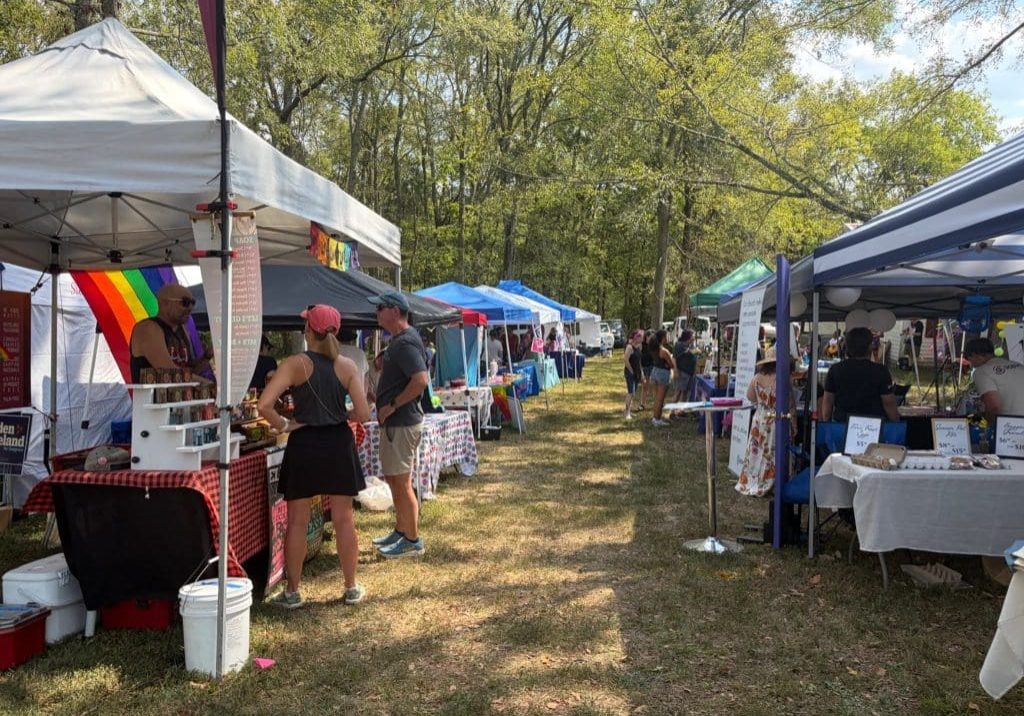
‘The Most Perfect Act of Love’
After losing its rural pride celebration, hundreds of people attended the second annual Affirming Sumner Pride celebration on a 24-acre farm dubbed “Fruity Farm” in Bethpage, Sumner County, Tennessee.

Signs of Life
In the Nantahala National Forest, a team of biologists spotted Indiana bats, an endangered species that hasn’t been seen in North Carolina for the last 11 years.

‘First Line of Defense’
During Hurricane Helene and its aftermath, rural fire departments and other first responder hubs played critical roles in keeping their communities safe, even without power and cut off from outside support for days or weeks after the storm. Two years later, plenty of work remains to ensure these hubs have the resources they need to operate day to day and be ready when emergencies or natural disasters strike.

The Rocky Road — and Bridge — to Recovery
Hurricane Helene is estimated to have damaged nearly 7,000 private roads and bridges in Western North Carolina. Two years later, many restoration projects are complete, but the journey hasn’t been easy — and isn’t over for others.
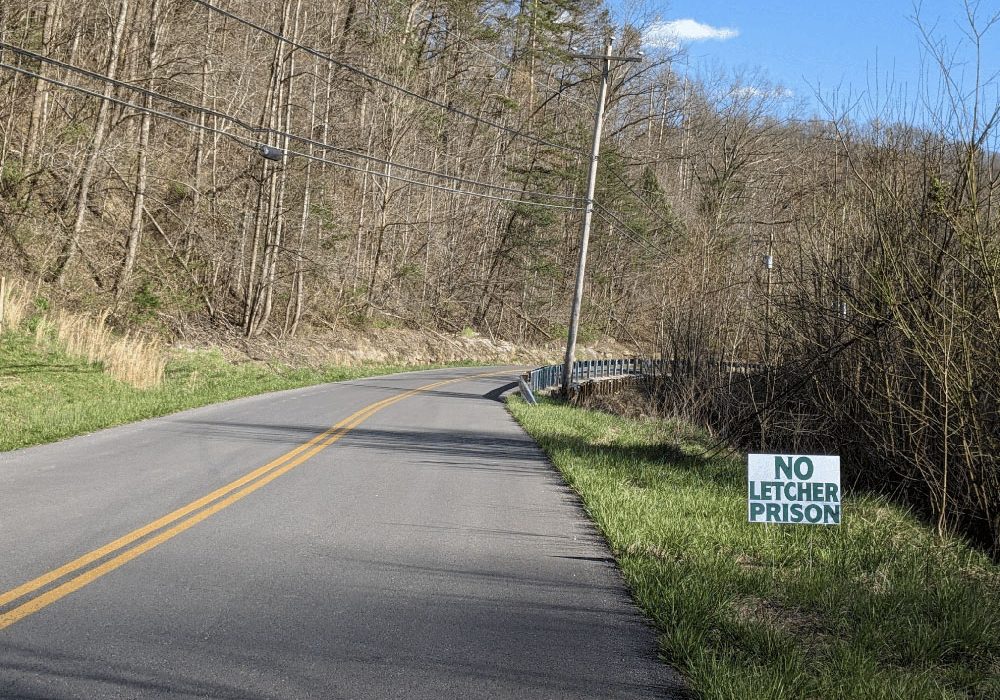
After 20 Years, Letcher County Prison Proposal Is Still Alive, Though Obstacles Remain
A $605 million proposal for a federal prison on a former strip mine site in Letcher County, Kentucky, championed by U.S. Rep. Hal Rogers, refuses to die, despite local opposition, a lack of support from the executive branch and numerous other obstacles.

Leave a comment
Your email address will not be published. Required fields are marked *
Leave a Comment