

In December 2018, wildlife officials discovered chronic wasting disease in Tennessee. The neurological disease causes brain degeneration in white-tailed deer and elk and now plagues 24 states, including Virginia, West Virginia and Pennsylvania.
The brain degeneration causes abnormal behaviors, loss of bodily functions and eventually death in the affected animals. Deer and elk spread the disease through saliva, urine and feces.
According to the Center for Disease Control and Prevention, the disease is not known to harm humans, but scientists do not know if people can become infected through contaminated protein particles. The CDC suggests that hunters in areas where the illness is present check animals for chronic wasting disease prior to consumption.
Since Tennessee’s outbreak, some states are taking precautions to avoid the disease’s spread. Kentucky is asking the public to remove the brain and spinal columns of any deer from Tennessee before bringing them across state borders. Virginia has decided to only import boned or quartered deer meat and clean antlers or skulls, and North Carolina banned the import of whole deer carcasses.
According to the Association of Fish and Wildlife Agencies, the most effective way to prevent disease spread is to avoid moving live deer and elk into new regions or regions with disease-free herds.
Chronic wasting disease could affect the growth of elk populations in southern West Virginia. State guidelines require all new elk to come from disease-free herds, which are limited. Kentucky has a large, disease-free herd, but the state currently has an agreement to supply surplus elk to the state of Wisconsin. — By Jamie Tews
Related Articles
Latest News
More Stories
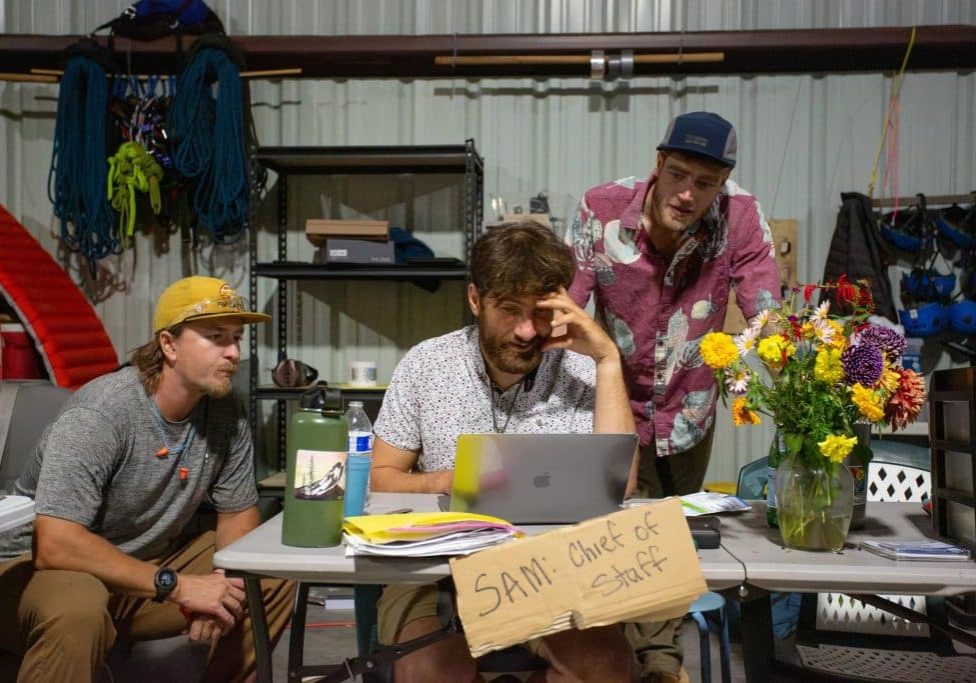
Neighbors Help Neighbors
A photo essay that celebrates the volunteer spirit of the grassroots group Hurricane Helene WNC and speaks to the resourcefulness, collaboration and hard work embodied by thousands and thousands of volunteers, first responders and aid workers across the region after Hurricane Helene.

Halloween Approaches, and Night School Is in Session
The House of Art in Bluefield, West Virginia, looks like a haunted tower, making it the perfect location for its sixth annual haunt event: Night School. The Night School will be open every Friday and Saturday night through Oct. 31.
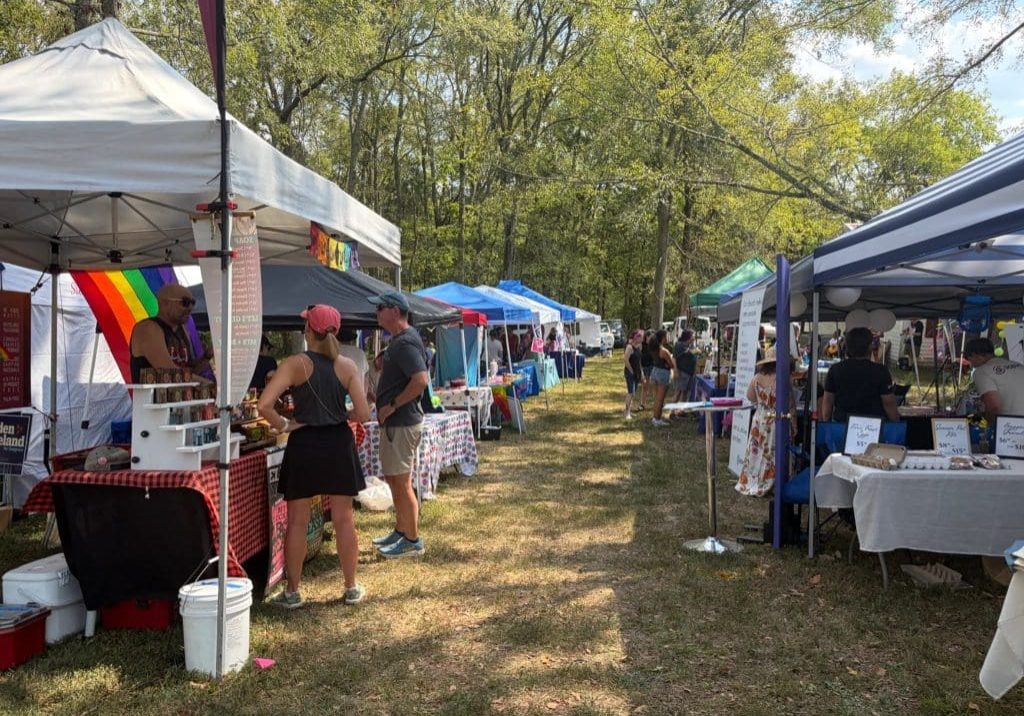
‘The Most Perfect Act of Love’
Hundreds of people attended the second annual Affirming Sumner Pride celebration on a 24-acre farm dubbed “Fruity Farm” in Bethpage, Sumner County, Tennessee.
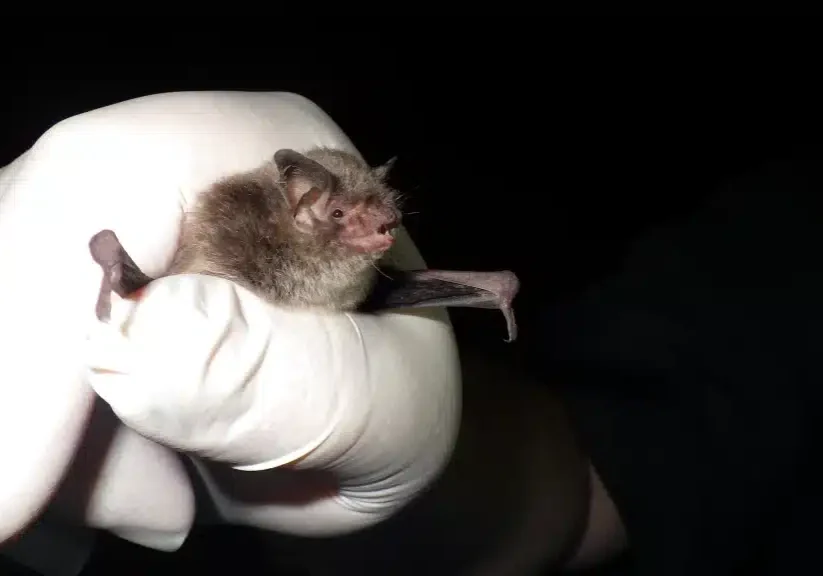
Signs of Life: Endangered Bats Found in Nantahala for First Time in More Than a Decade
In the Nantahala National Forest, a team of biologists spotted Indiana bats, an endangered species that hasn’t been seen in North Carolina for the last 11 years.
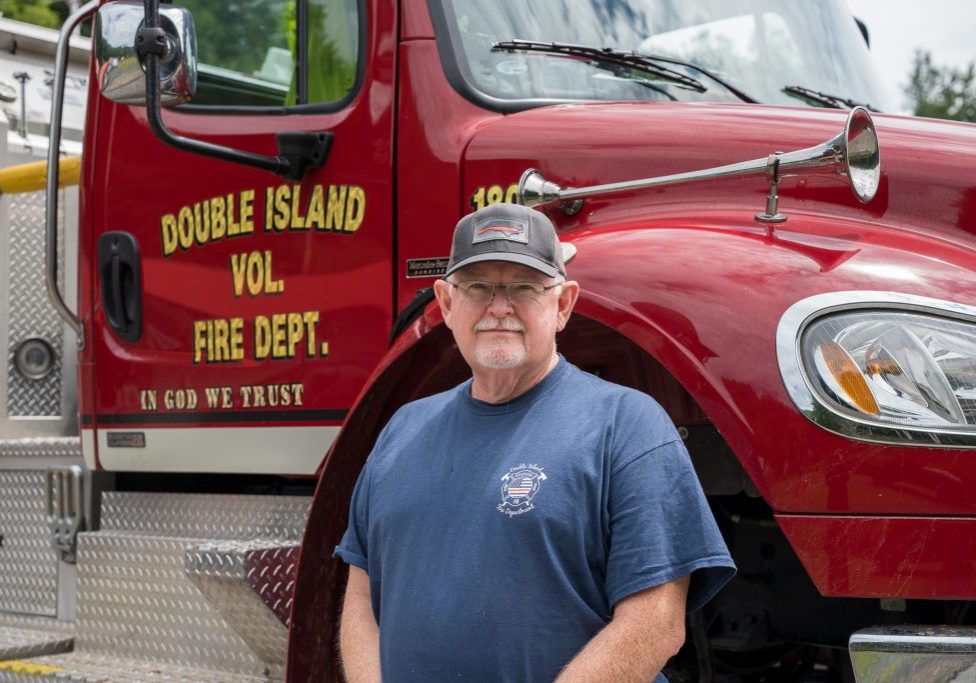
‘First Line of Defense’
During Hurricane Helene and its aftermath, rural fire departments and other first responder hubs played critical roles in keeping their communities safe, even without power and cut off from outside support for days or weeks after the storm. Two years later, plenty of work remains to ensure these hubs have the resources they need to operate day to day and be ready when emergencies or natural disasters strike.
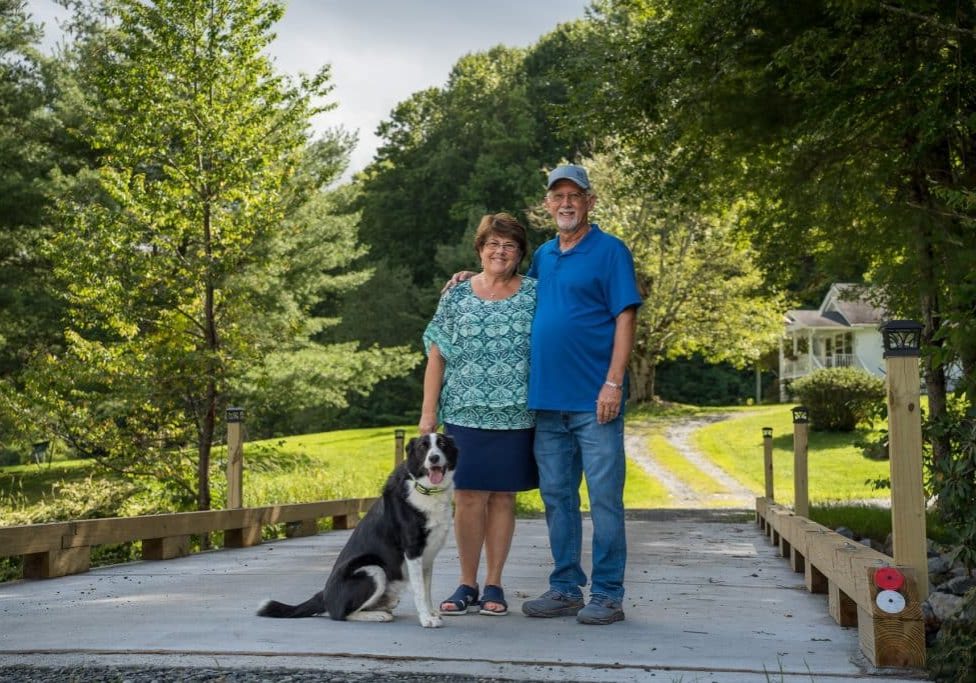
The Rocky Road — and Bridge — to Recovery
Hurricane Helene is estimated to have damaged nearly 7,000 private roads and bridges in Western North Carolina. Two years later, many restoration projects are complete, but the journey hasn’t been easy — and isn’t over for others.

Leave a comment
Your email address will not be published. Required fields are marked *
Leave a Comment