

Cynthia and Emily Grimes
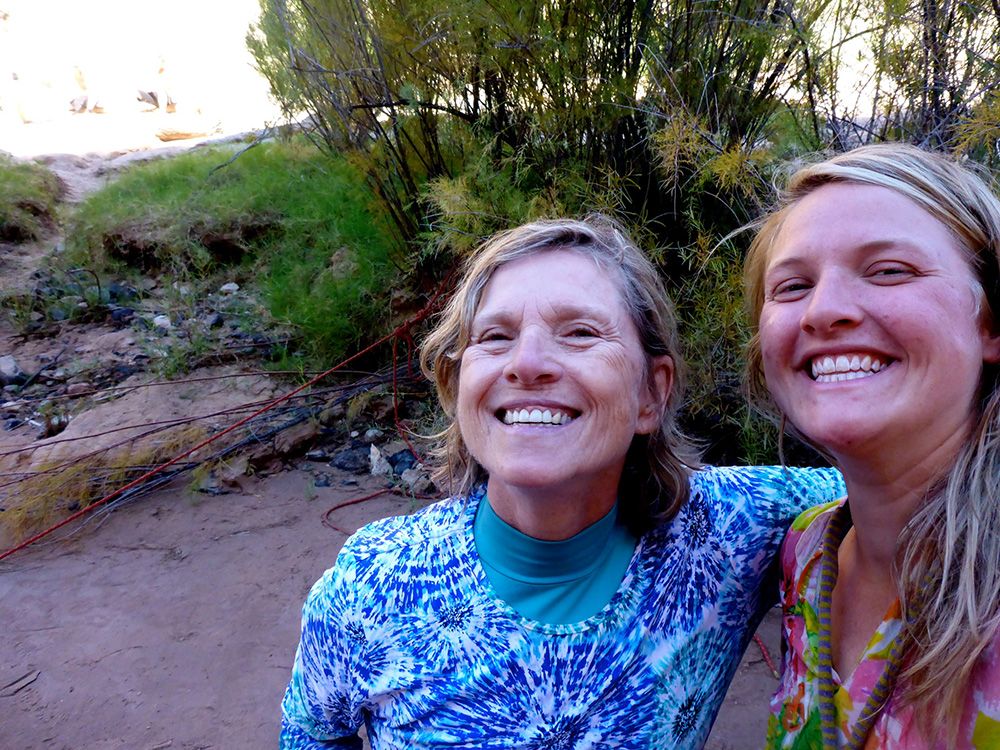
Photo by Emily Grimes
In 1982, Cynthia Grimes and her husband were seeking more whitewater kayaking experiences and joined the Bluegrass Wildwater Association, Inc., a Kentucky organization that supports river recreation and wilderness waterways. She continued to paddle when she was pregnant with her daughter, Emily Grimes, who says she “grew up in parking lots at the Ocoee and Gauley.”
The Grimeses used to brave Class V rapids but have moved to more intermediate whitewater due to Cynthia Grimes’ two major shoulder injuries and Emily’s changing preferences.
“I spent a lot of time in my early 20’s ‘charging’ Class V,” says Emily Grimes. “The rush was great and so were the social media posts, but it was never fun for me; and what’s the point of kayaking if it’s not fun? These days I prefer to kick it sans fear.”
Following in her mother’s footsteps, Emily Grimes has taught kayaking for 10 years, working in Canada, China, Washington and Kentucky. “The joy people experience while kayaking transcends political borders and is felt in all cultures,” she says.
The pair have many favorite paddling spots in Kentucky including the Russell Fork, the Big South Fork of the Cumberland and Elkhorn Creek.
“I enjoy the beautiful surroundings, bonding with fellow paddlers and the magic of rivers,” says Cynthia Grimes. “They’re always moving, always taking you to new adventure and expanding your personal feeling of accomplishment.”
For 21 years, Cynthia Grimes has also taught the kids’ clinic at the Bluegrass Wildwater Association.
“We don’t lecture the kids much about strokes and technique,” says Cynthia Grimes. “We get them on the water and coach them about what they feel and experience, and how to use their powers to dance with the river currents and go where they want to go.”
“Over the years I have been fortunate to teach many students with various disabilities,” she says. “It is great to see people flourish when they see themselves accomplishing things most of their friends can not even begin to imagine.” — By Hannah McAlister
Related Articles
Latest News
More Stories
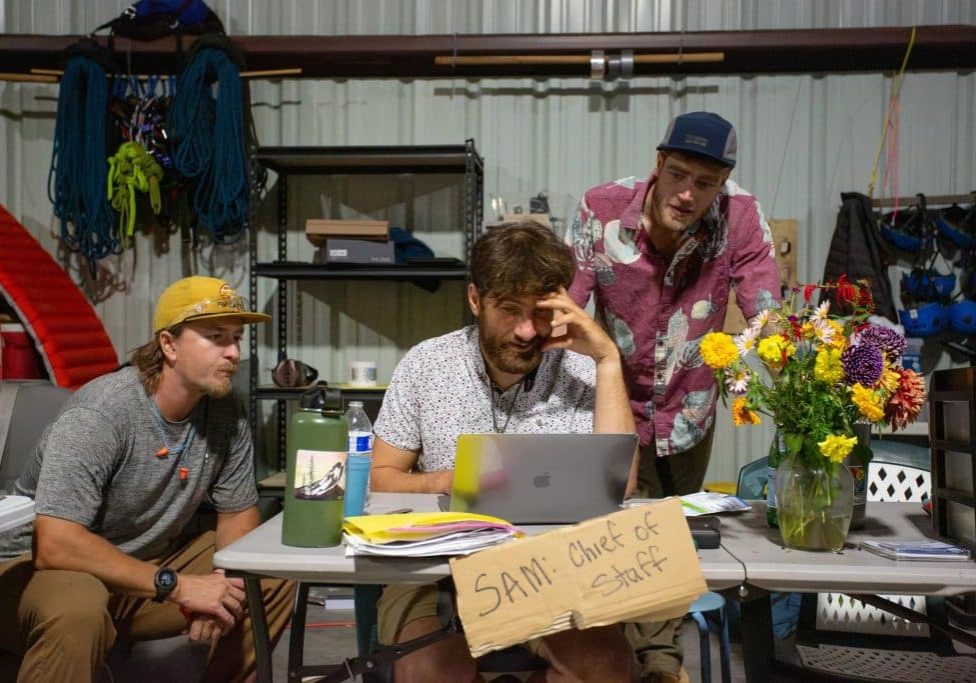
Neighbors Help Neighbors
A photo essay that celebrates the volunteer spirit of the grassroots group Hurricane Helene WNC and speaks to the resourcefulness, collaboration and hard work embodied by thousands and thousands of volunteers, first responders and aid workers across the region after Hurricane Helene.

Halloween Approaches, and Night School Is in Session
The House of Art in Bluefield, West Virginia, looks like a haunted tower, making it the perfect location for its sixth annual haunt event: Night School. The Night School will be open every Friday and Saturday night through Oct. 31.
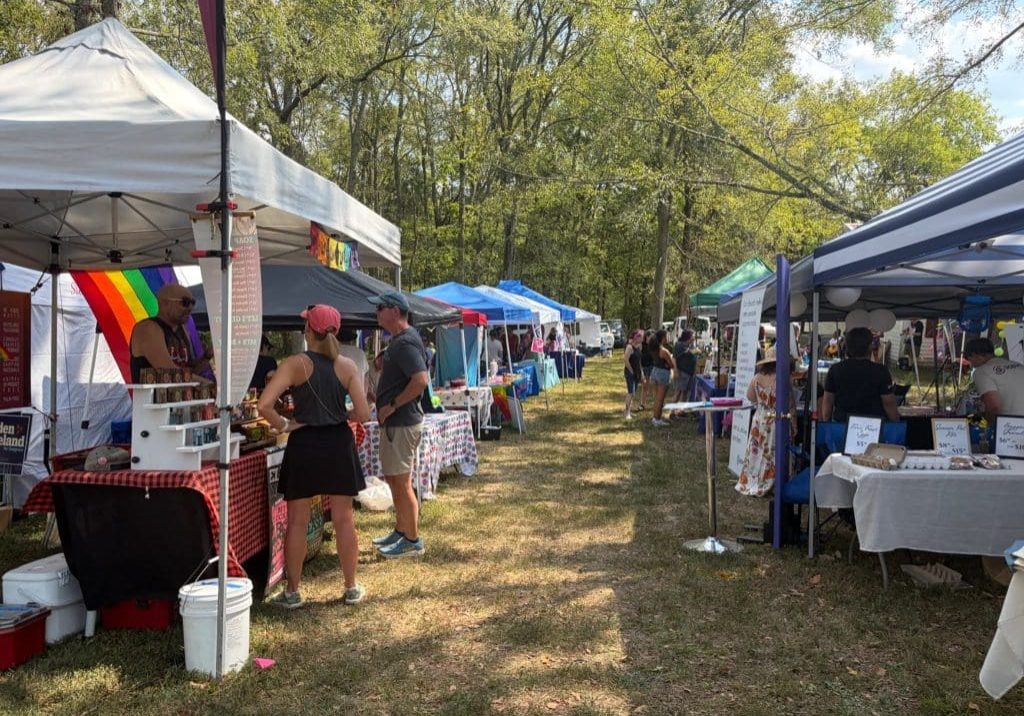
‘The Most Perfect Act of Love’
Hundreds of people attended the second annual Affirming Sumner Pride celebration on a 24-acre farm dubbed “Fruity Farm” in Bethpage, Sumner County, Tennessee.
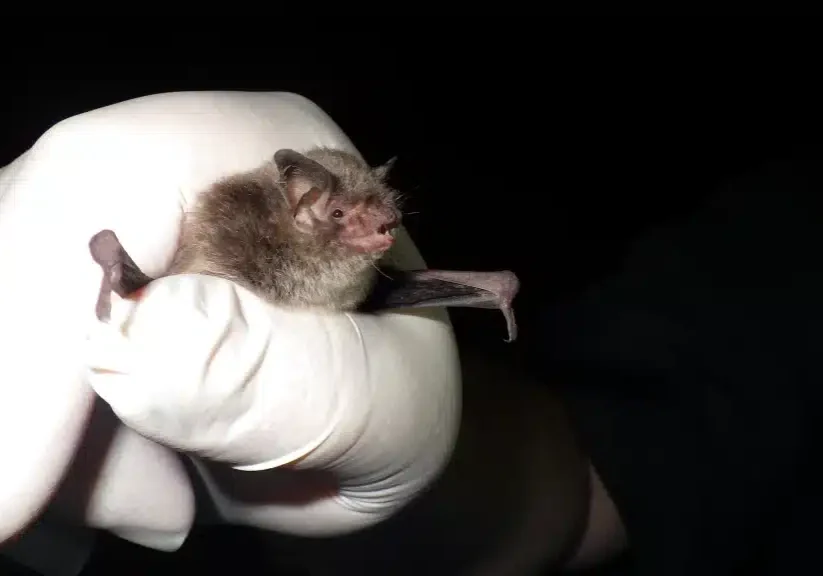
Signs of Life: Endangered Bats Found in Nantahala for First Time in More Than a Decade
In the Nantahala National Forest, a team of biologists spotted Indiana bats, an endangered species that hasn’t been seen in North Carolina for the last 11 years.

‘First Line of Defense’
During Hurricane Helene and its aftermath, rural fire departments and other first responder hubs played critical roles in keeping their communities safe, even without power and cut off from outside support for days or weeks after the storm. Two years later, plenty of work remains to ensure these hubs have the resources they need to operate day to day and be ready when emergencies or natural disasters strike.

The Rocky Road — and Bridge — to Recovery
Hurricane Helene is estimated to have damaged nearly 7,000 private roads and bridges in Western North Carolina. Two years later, many restoration projects are complete, but the journey hasn’t been easy — and isn’t over for others.

Leave a comment
Your email address will not be published. Required fields are marked *
Leave a Comment