

Southwest Virginia environmental watchdog group The Clinch Coalition is expressing concerns about negative impacts to streams and wetlands from some off-road vehicle trails.
According to Wally Smith, a biologist and the group’s vice-president, the coalition is primarily concerned about some locations where vehicle paths are routed directly through streams for about a half mile or where trail construction appears to have altered the natural stream flow.
Shawn Lindsey, executive director of the nearly 500-mile Spearhead Trails network, is aware of the group’s concerns, though the two disagree about the nature of one site. Lindsey states that the trail network’s goal is to improve the environment as resources allow. The Spearhead Trails system is managed by the state, and its trails are designed for ATVs as well as hiking, biking and horseback riding.
“A lot of these streams are really close to some threatened and endangered species populations,” Smith says, including the endangered Big Sandy crayfish. He notes that aquatic wildlife can be crushed by vehicles and streams diverted from their natural route can lead to problems with sedimentation and erosion downstream.
According to Lindsey, Spearhead has closed one trail section and recently secured grant funding to improve another area. He stresses that Spearhead cannot shut down many trail sections since they are on private land and also used by the landowner.
Smith acknowledges that Spearhead Trails has an important role to play in the area’s economic transition, and that many of the trails make good use of existing logging or mining roads. Going forward, he would like to see environmental agencies involved “to make sure that the right people are being brought to the table and there’s a good, inclusive conversation about how these trails are being built.”
Lindsey appreciates that The Clinch Coalition is looking out for water quality. “We have the solutions but they take time, funding, grants, permits, lots of different things,” he says. “It just can’t happen overnight.”
In the meantime, Lindsey says he wants to see people using the Spearhead Trails instead of illegal outlaw trails. “Even though we have problems, we’re still a lot better than those outlaw trails that don’t have anyone watching out for them or doing maintenance on them.” — By Molly Moore
Related Articles
Latest News
More Stories
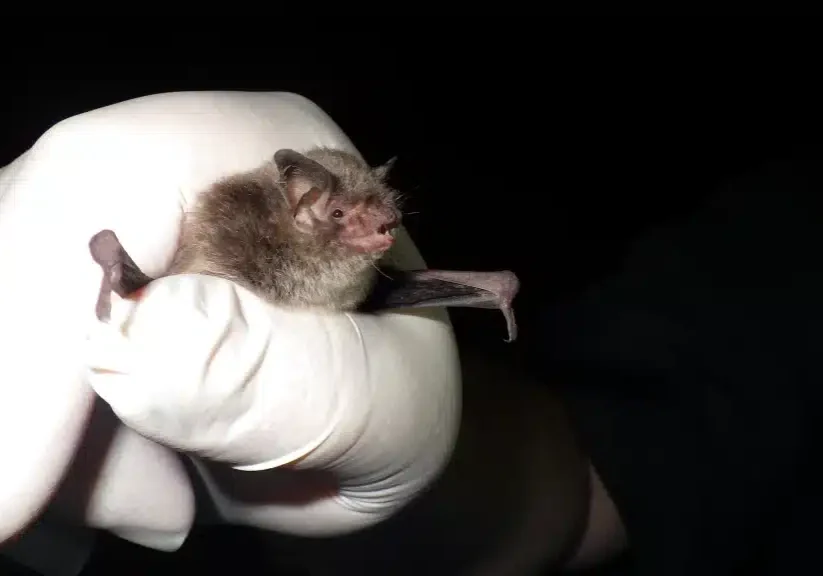
Signs of Life
In the Nantahala National Forest, a team of biologists spotted Indiana bats, an endangered species that hasn’t been seen in North Carolina for the last 11 years.

‘First Line of Defense’
During Hurricane Helene and its aftermath, rural fire departments and other first responder hubs played critical roles in keeping their communities safe, even without power and cut off from outside support for days or weeks after the storm. Two years later, plenty of work remains to ensure these hubs have the resources they need to operate day to day and be ready when emergencies or natural disasters strike.

The Rocky Road — and Bridge — to Recovery
Hurricane Helene is estimated to have damaged nearly 7,000 private roads and bridges in Western North Carolina. Two years later, many restoration projects are complete, but the journey hasn’t been easy — and isn’t over for others.
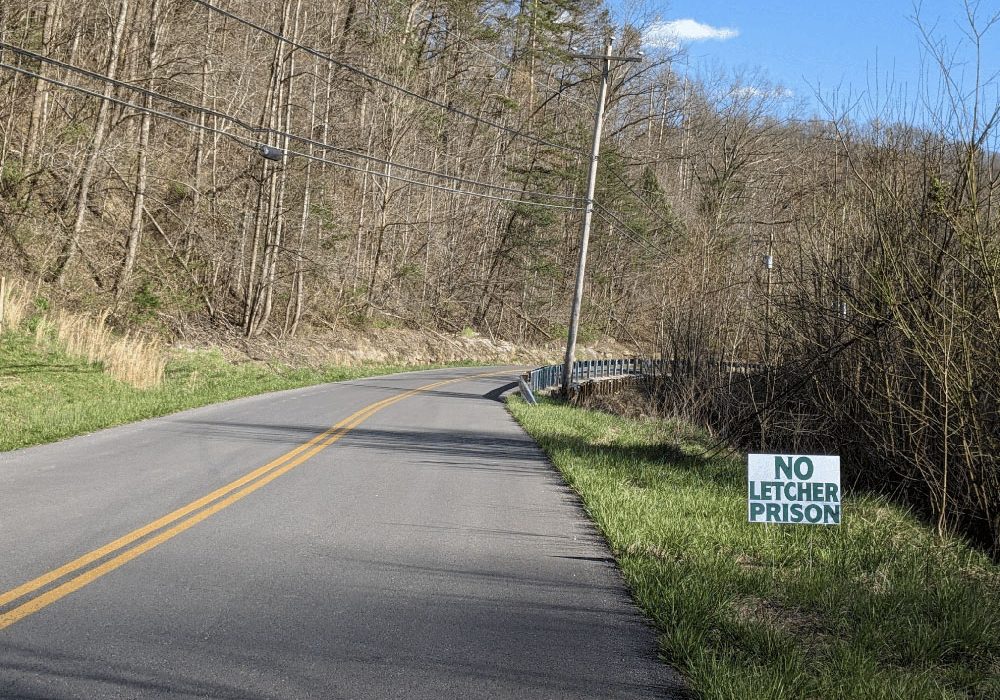
After 20 Years, Letcher County Prison Proposal Is Still Alive, Though Obstacles Remain
A $605 million proposal for a federal prison on a former strip mine site in Letcher County, Kentucky, championed by U.S. Rep. Hal Rogers, refuses to die, despite local opposition, a lack of support from the executive branch and numerous other obstacles.
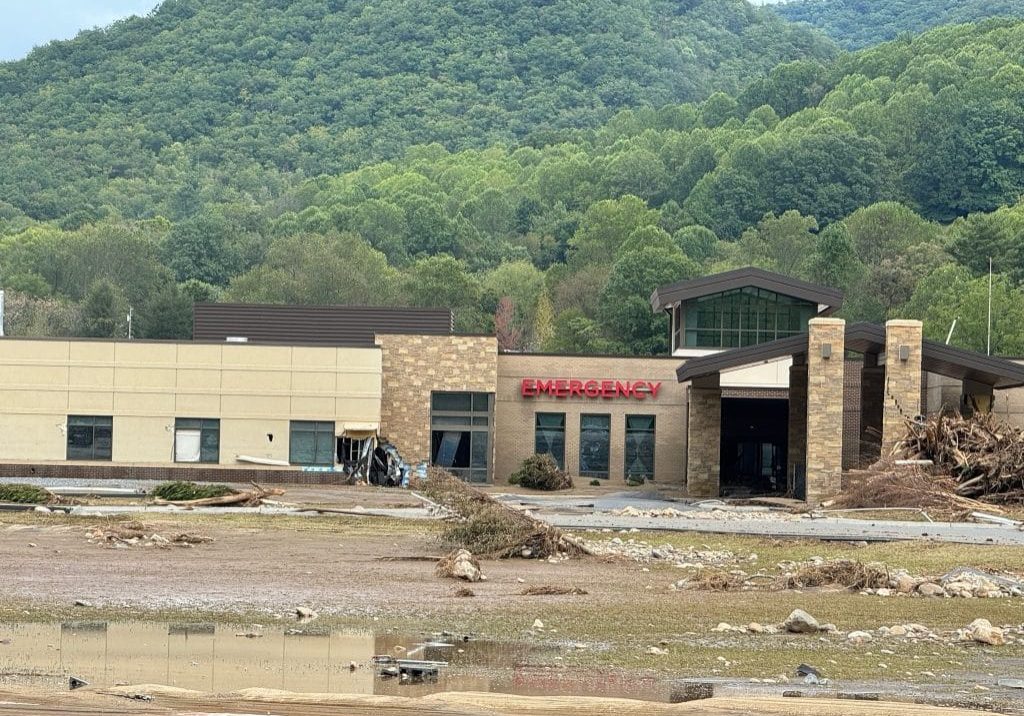
The Washout and Rebuild
For nearly two years, residents of Unicoi County, Tennessee, have had to make do without a hospital after Hurricane Helene destroyed the rural hospital. Ballad Health, which owns the hospital, broke ground on a new location — in another floodplain — in August 2026.
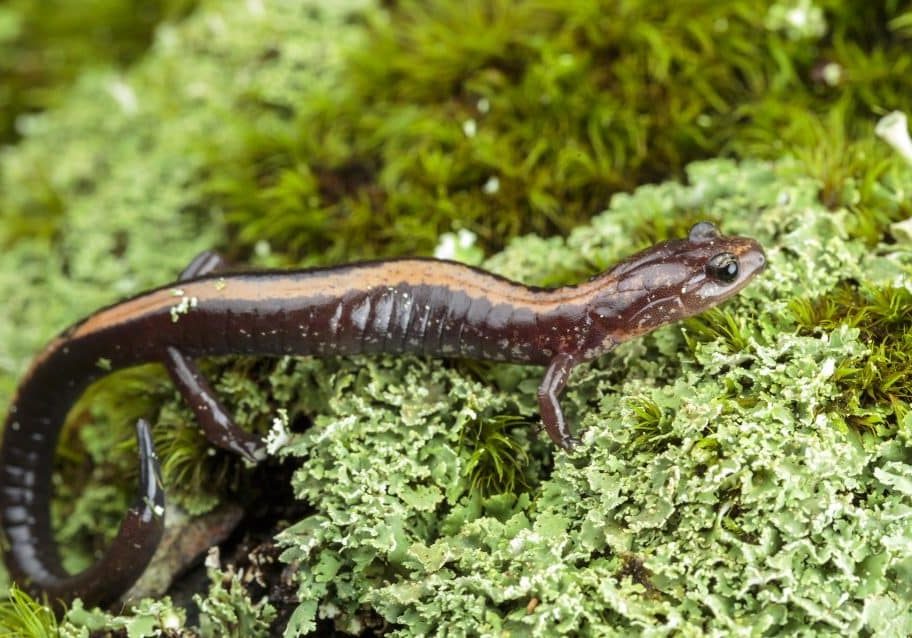
The Shenandoah Salamander
The Shenandoah salamander is a woodland salamander, which has adapted to life at higher elevations away from water. This sparkling rarity lives among the dry leaves, cracked logs, and stony hillocks on the highest peaks of Shenandoah National Park.

Leave a comment
Your email address will not be published. Required fields are marked *
Leave a Comment