

A North Carolina bill backed by Duke Energy, S.B. 559, could allow the monopoly utility to raise rates with reduced transparency, according to the Energy Justice NC Coalition. The coalition consists of 14 community and environmental justice organizations including NC WARN and Boone-based Appalachian Voices.
Despite a wall of opposition from multiple groups including Walmart, Google, AARP and consumer and environmental advocates, the state Senate passed the bill and it awaits a vote in the House.
The bill could lead to Duke passing $10 billion in coal ash cleanup to ratepayers, and another $13 billion in what Duke calls “grid improvement,” a catch-all term for projects such as burying power lines underground. This set-up is attractive to investor-owned utilities because it offers shareholders a guaranteed rate-of-return on projects that critics argue should be seen as standard operations and maintenance, which does not include a guaranteed profit for the company. Duke’s previous attempts to pass the $13 billion plan were twice rejected by the state.
According to Appalachian Voices’ Senior Energy Analyst Rory McIlmoil, the bill could also allow Duke to make more profit than currently authorized and pass it along to shareholders rather than refunding ratepayers. If the bill becomes law, utilities could gain advance approval for future investments and rate hikes even if time and technology render them unnecessary.
Duke Energy targeted its campaign contributions in 2018 to gain political favor with 11 North Carolina lawmakers, according to a report released on April 26 by the Energy Justice NC Coalition.
Out of 170 members in both legislative chambers, 46 percent of Duke’s 2018 campaign contributions went to five senators and six house representatives — all Republican save for Senate Minority Leader Dan Blue. Senate Majority Leader Philip Berger received the most from Duke at $68,950. Each of the 11 representatives are key to proposing or reviewing S.B. 559.
“The evidence shows that Duke is targeting its campaign contributions in order to game the system by bribing the referees,” said McIlmoil, who authored the report.
On May 8, Jim Warren with NC WARN filed an ethics complaint against state Sen. Dan Blue alleging a conflict of interest between Blue’s sponsorship of S.B. 559 and his law firm’s work for Duke and Dominion Energy’s Atlantic Coast Pipeline.
“The ethics issue is clear-cut: Sen. Blue can’t serve the public interest when he’s heavily paid to serve the diverging interests of Duke Energy,” said Warren in a press release.
Related Articles
Latest News
More Stories

Halloween Approaches, and Night School Is in Session
The House of Art in Bluefield, West Virginia, looks like a haunted tower, making it the perfect location for its sixth annual haunt event: Night School. The Night School will be open every Friday and Saturday night through Oct. 31.
‘The Most Perfect Act of Love’
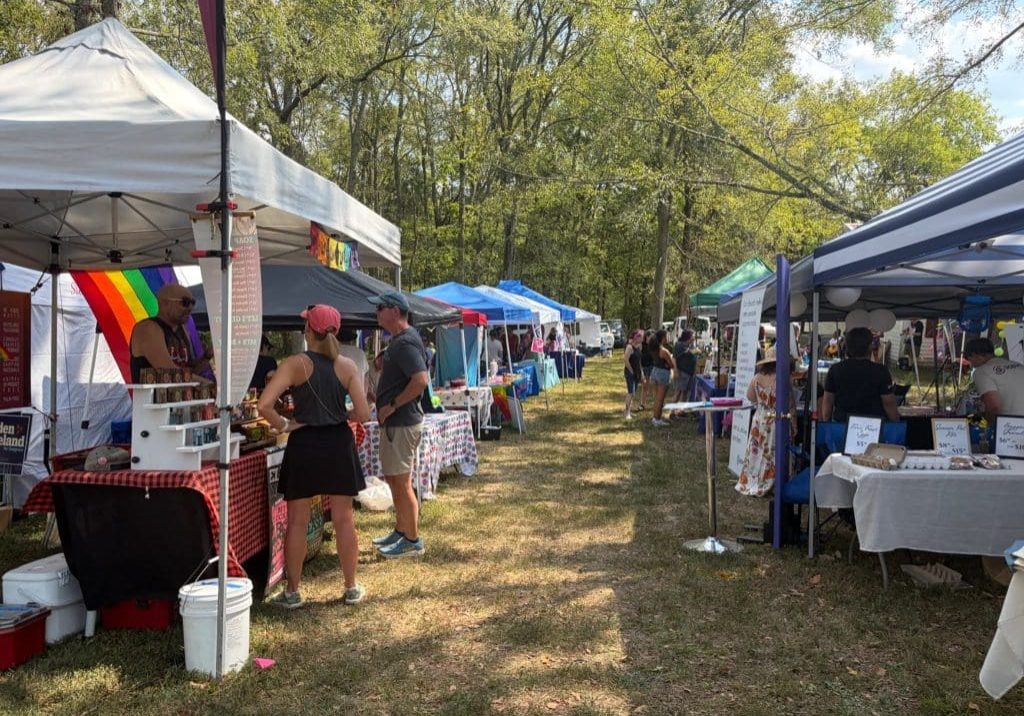
After losing its rural pride celebration, hundreds of people attended the second annual Affirming Sumner Pride celebration on a 24-acre farm dubbed “Fruity Farm” in Bethpage, Sumner County, Tennessee.

Signs of Life
In the Nantahala National Forest, a team of biologists spotted Indiana bats, an endangered species that hasn’t been seen in North Carolina for the last 11 years.

‘First Line of Defense’
During Hurricane Helene and its aftermath, rural fire departments and other first responder hubs played critical roles in keeping their communities safe, even without power and cut off from outside support for days or weeks after the storm. Two years later, plenty of work remains to ensure these hubs have the resources they need to operate day to day and be ready when emergencies or natural disasters strike.

The Rocky Road — and Bridge — to Recovery
Hurricane Helene is estimated to have damaged nearly 7,000 private roads and bridges in Western North Carolina. Two years later, many restoration projects are complete, but the journey hasn’t been easy — and isn’t over for others.
After 20 Years, Letcher County Prison Proposal Is Still Alive, Though Obstacles Remain
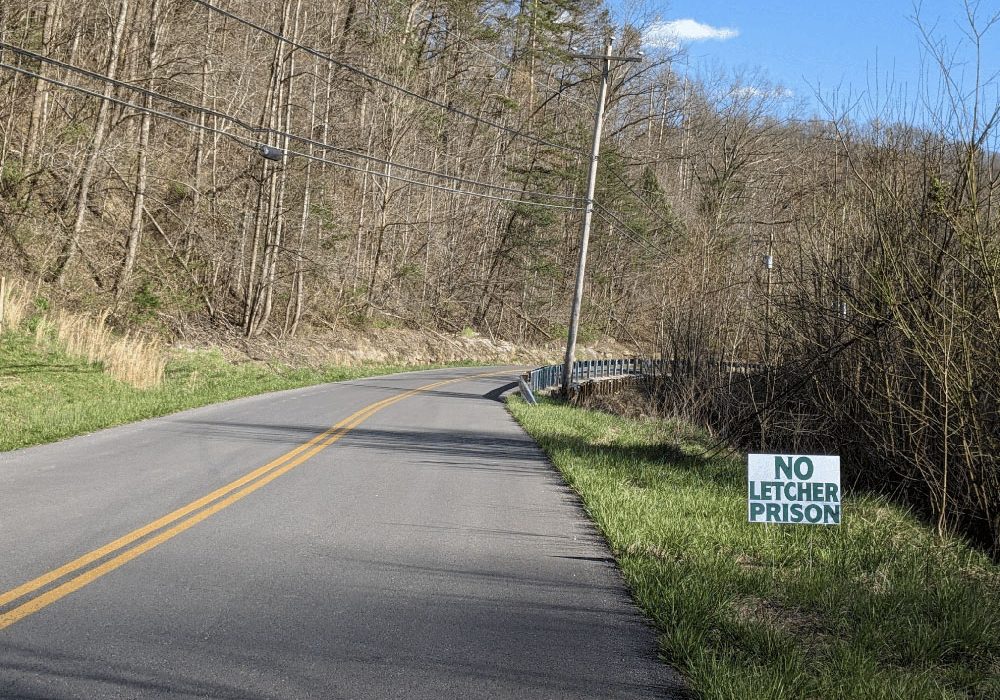
A $605 million proposal for a federal prison on a former strip mine site in Letcher County, Kentucky, championed by U.S. Rep. Hal Rogers, refuses to die, despite local opposition, a lack of support from the executive branch and numerous other obstacles.

Leave a comment
Your email address will not be published. Required fields are marked *
Leave a Comment