

On Feb. 15, a federal bankruptcy court judge ruled that Westmoreland Coal Company could sever union collective bargaining agreements for its active and former mining operations. This includes agreements that affect Westmoreland’s former mines in Virginia.
Although Westmoreland left Wise County, Va., in the mid-90s, the company has many area retirees whose benefits can now be terminated.
The American Miners Act of 2019, released in January, attempts to rectify this situation by amending a federal mining law to increase allocations to the United Mine Workers of America pension plan, and to restore funding for the Black Lung Disability Trust Fund that was reduced at the end of 2018. The bill’s sponsors estimate that it would protect the pensions of over 87,000 current beneficiaries and more than 20,000 retirees. – By Matt Hepler
Related Articles
Latest News
More Stories
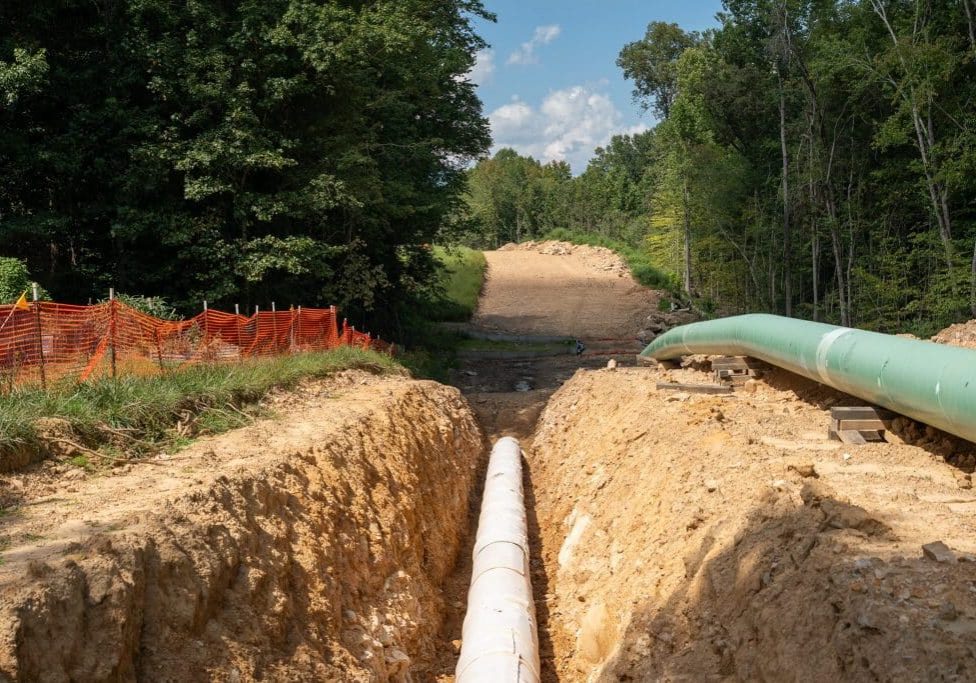
Ridgeline Pipeline Construction Impacts in Rural East Tennessee
Neighbors share about noise, unpredictable construction schedules and other disruptions due to methane gas pipeline construction in East Tennessee. The 122-mile Ridgeline Expansion Project, constructed and owned by East Tennessee Natural Gas, a subsidiary of Enbridge, a multibillion-dollar Canadian fossil fuel company, was approved to go into service Nov. 1.

Neighbors Help Neighbors
A photo essay that celebrates the volunteer spirit of the grassroots group Hurricane Helene WNC and speaks to the resourcefulness, collaboration and hard work embodied by thousands and thousands of volunteers, first responders and aid workers across the region after Hurricane Helene.

Halloween Approaches, and Night School Is in Session
The House of Art in Bluefield, West Virginia, looks like a haunted tower, making it the perfect location for its sixth annual haunt event: Night School. The Night School will be open every Friday and Saturday night through Oct. 31.

‘The Most Perfect Act of Love’
Hundreds of people attended the second annual Affirming Sumner Pride celebration on a 24-acre farm dubbed “Fruity Farm” in Bethpage, Sumner County, Tennessee.

Signs of Life: Endangered Bats Found in Nantahala for First Time in More Than a Decade
In the Nantahala National Forest, a team of biologists spotted Indiana bats, an endangered species that hasn’t been seen in North Carolina for the last 11 years.

‘First Line of Defense’
During Hurricane Helene and its aftermath, rural fire departments and other first responder hubs played critical roles in keeping their communities safe, even without power and cut off from outside support for days or weeks after the storm. Two years later, plenty of work remains to ensure these hubs have the resources they need to operate day to day and be ready when emergencies or natural disasters strike.

Leave a comment
Your email address will not be published. Required fields are marked *
Leave a Comment