

Going Caving in Tennessee

Worley’s Cave in Sullivan County, Tenn. Photo by Jimmy Davidson
Worley’s Cave
Where: Bluff City, Tenn., in Sullivan County
How to access: Worley’s is located on private property, and it is recommended that visitors tour the cave with a third-party outdoor recreation company, such as High Mountain Expeditions, River & Earth Adventures, USA Raft or Wahoo’s Adventures. However, the owner may grant entry permission to experienced individuals or groups such as university programs or scout troops. Tours through Worley’s can be done as both day trips and overnight trips, and vary in length of time to complete.
Difficulty: While Worley’s can be beginner-friendly when accompanied by a well-trained guide, this caving experience is physically strenuous and better for more adventurous or experienced cavers.
Fun Fact: The cave is also known as Morrill Cave, after 20th century explorer John Morrill who led trips at the site. It includes a giant, open room deep in the cave known as the Cathedral Room because of its natural curtains and other cathedral-like features.
Contact info: Email [email protected], or search the websites of the companies listed above for tour information.
Appalachian Caverns
Where: Blountville, Tenn., in Sullivan County
How to access: Appalachian Caverns offers several guided tours to the public.
Difficulty: Appalachian Caverns offers a variety of experiences, from beginner to advanced. There are four different tours, available based on skill level and priced accordingly.
Fun Fact: Appalachian Caverns’ history includes archaeological evidence of Native Americans and land ties to both the Boone and Crockett families.
Contact info: Visit appacaverns.com, or call 423-323-2337
Wolf River Cave
Where: Fentress County, Tenn.
How to access: The cave sits on 33 acres and is co-supported by the Southeastern Cave Conservancy, The Nature Conservancy in Tennessee and Bat Conservation International. Closed from September 10 to April 30, the conservancy requires a permit to explore Wolf River Cave.
Difficulty: Experienced cavers only
Fun Fact: Wolf River Cave is eight miles long. It is home to about 2,500 Indiana bats, the rarest endangered bat in the Southeast. Access is controlled by the Southeastern Cave Conservancy, a nonprofit organization that protects 31 preserves with more than 170 caves in six southeastern states. None of their caves are available for commercial use, but permits can be acquired for free on their website. After a permit is approved, parties are allowed to hike above ground on the preserves, as well as explore certain caves, although some are closed for conservation purposes.
Contact info: Visit saveyourcaves.org or call (423) 771-9671
Related Articles
Latest News
More Stories

Signs of Life
In the Nantahala National Forest, a team of biologists spotted Indiana bats, an endangered species that hasn’t been seen in North Carolina for the last 11 years.

‘First Line of Defense’
During Hurricane Helene and its aftermath, rural fire departments and other first responder hubs played critical roles in keeping their communities safe, even without power and cut off from outside support for days or weeks after the storm. Two years later, plenty of work remains to ensure these hubs have the resources they need to operate day to day and be ready when emergencies or natural disasters strike.

The Rocky Road — and Bridge — to Recovery
Hurricane Helene is estimated to have damaged nearly 7,000 private roads and bridges in Western North Carolina. Two years later, many restoration projects are complete, but the journey hasn’t been easy — and isn’t over for others.
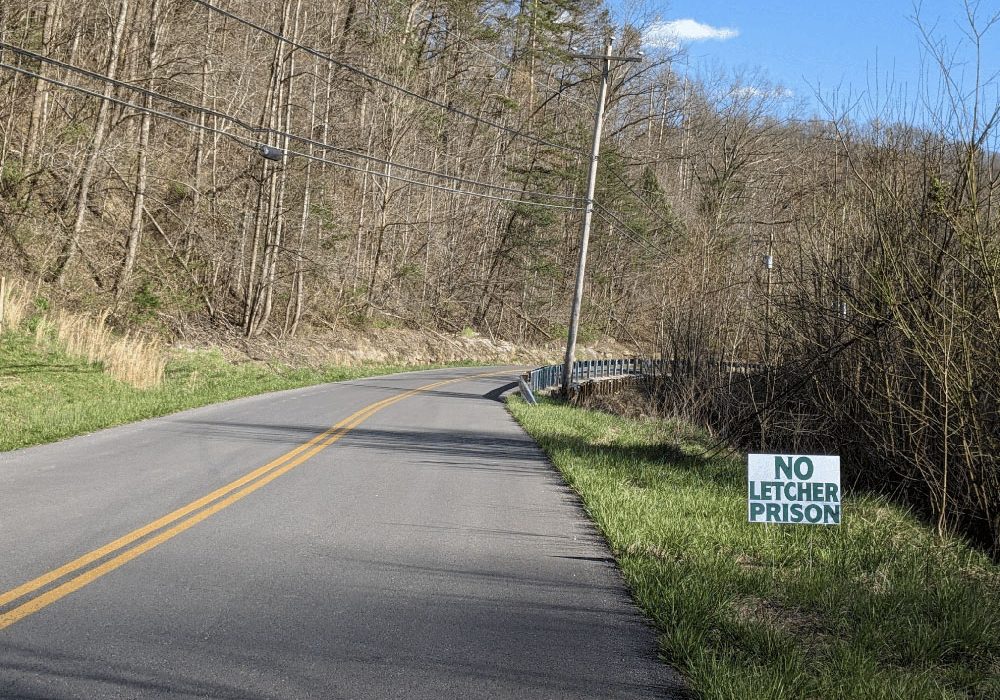
After 20 Years, Letcher County Prison Proposal Is Still Alive, Though Obstacles Remain
A $605 million proposal for a federal prison on a former strip mine site in Letcher County, Kentucky, championed by U.S. Rep. Hal Rogers, refuses to die, despite local opposition, a lack of support from the executive branch and numerous other obstacles.
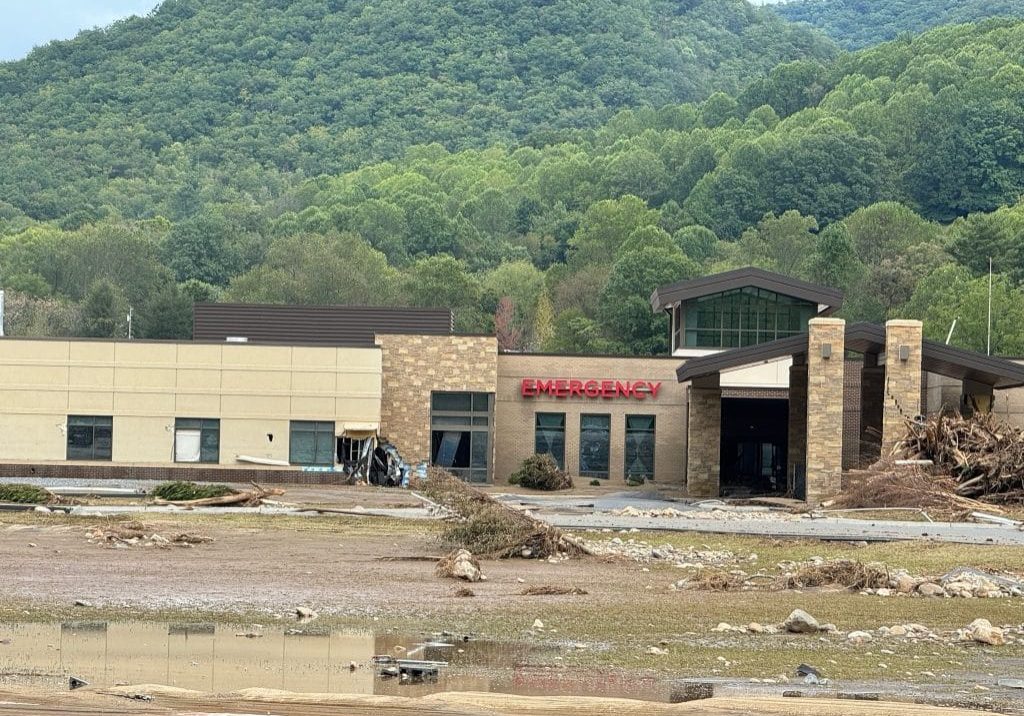
The Washout and Rebuild
For nearly two years, residents of Unicoi County, Tennessee, have had to make do without a hospital after Hurricane Helene destroyed the rural hospital. Ballad Health, which owns the hospital, broke ground on a new location — in another floodplain — in August 2026.
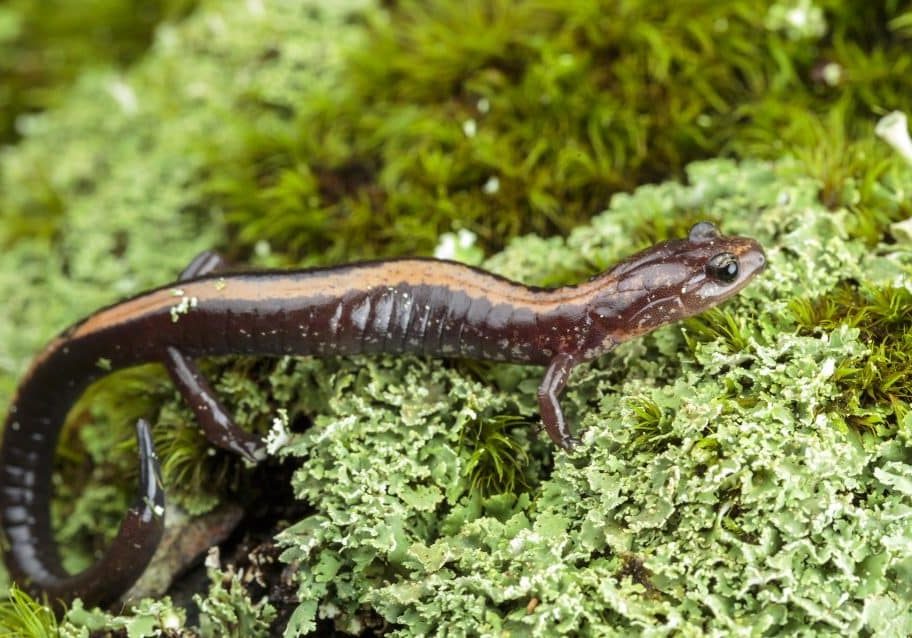
The Shenandoah Salamander
The Shenandoah salamander is a woodland salamander, which has adapted to life at higher elevations away from water. This sparkling rarity lives among the dry leaves, cracked logs, and stony hillocks on the highest peaks of Shenandoah National Park.

Leave a comment
Your email address will not be published. Required fields are marked *
Leave a Comment