

Going Caving in North Carolina

Inside the Linville Caverns. Photo courtesy of RomanticAsheville.com
Linville Caverns
Where: Linville, N.C., in Avery County.
How to access: Linville Caverns is one of the most accessible caving experiences in Appalachia, with portions open to wheelchairs. The caverns are open to the public daily March through November, with varying hours. All tours are guided and last between 30 and 45 minutes. Prices vary, and children under the age of five can enter for free with adult supervision.
Difficulty: These caverns are considered commercial, as opposed to wild. While Linville Caverns does not allow spelunking, this caving spot is great for families and children.
Fun fact: In an area of the cave too dangerous for human traffic resides a rock that bears the signature of explorer William Hidden. He was sent to the area in the late 1800s by Thomas Edison in search of minerals needed to create the light bulb.
Contact information: Call (800) 419-0540 or visit linvillecaverns.com
The Flittermouse Grotto
Commercial caving is sparse in North Carolina, and the few wild caves are closed to the public. The longest known limestone cave in the state is only one mile long, according to Steve Bailey, the chairman of the Western North Carolina caving group Flittermouse Grotto. Named after an old-time word for bats, the Flittermouse Grotto promotes safe caving practices by leading group caving trips, surveying caves and hosting seminars that train would-be cavers about topics such as vertical techniques and ropework.
The grotto meets on the third Friday of each month in Asheville, N.C., and welcomes interested adventurers. Find more information on their Facebook page or at flittermouse.org.
Related Articles
Latest News
More Stories

Signs of Life
In the Nantahala National Forest, a team of biologists spotted Indiana bats, an endangered species that hasn’t been seen in North Carolina for the last 11 years.

‘First Line of Defense’
During Hurricane Helene and its aftermath, rural fire departments and other first responder hubs played critical roles in keeping their communities safe, even without power and cut off from outside support for days or weeks after the storm. Two years later, plenty of work remains to ensure these hubs have the resources they need to operate day to day and be ready when emergencies or natural disasters strike.

The Rocky Road — and Bridge — to Recovery
Hurricane Helene is estimated to have damaged nearly 7,000 private roads and bridges in Western North Carolina. Two years later, many restoration projects are complete, but the journey hasn’t been easy — and isn’t over for others.
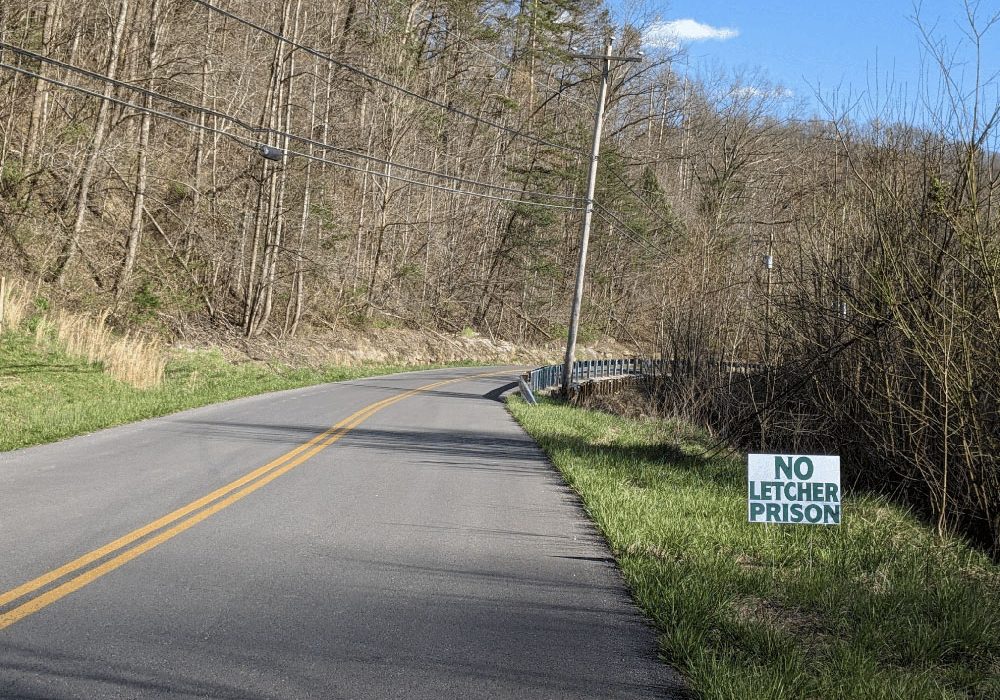
After 20 Years, Letcher County Prison Proposal Is Still Alive, Though Obstacles Remain
A $605 million proposal for a federal prison on a former strip mine site in Letcher County, Kentucky, championed by U.S. Rep. Hal Rogers, refuses to die, despite local opposition, a lack of support from the executive branch and numerous other obstacles.
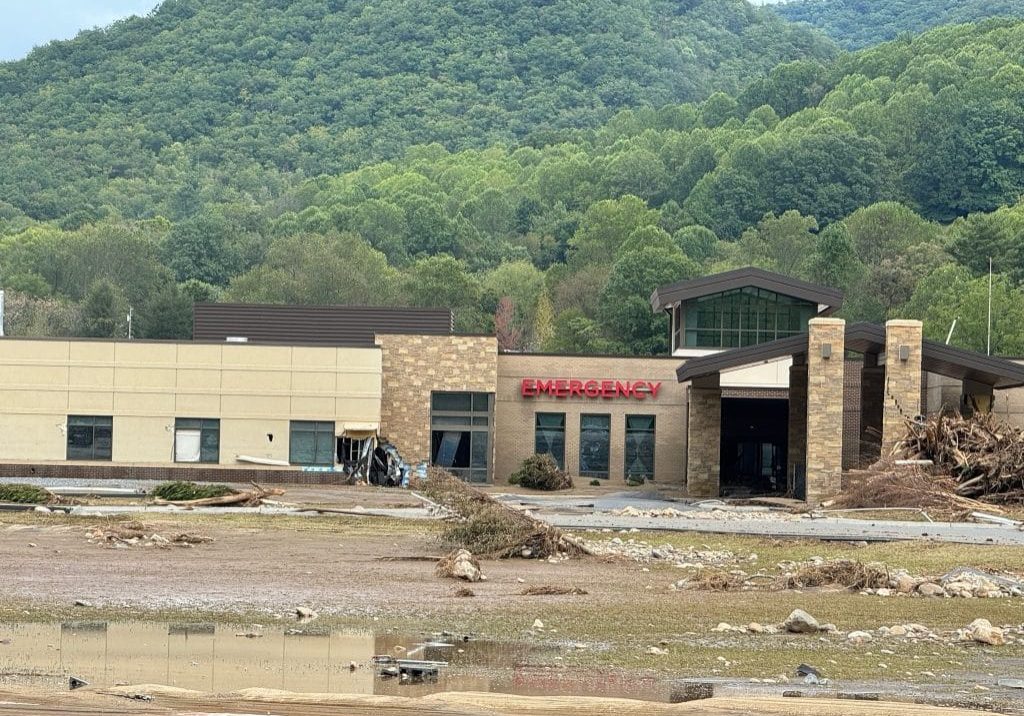
The Washout and Rebuild
For nearly two years, residents of Unicoi County, Tennessee, have had to make do without a hospital after Hurricane Helene destroyed the rural hospital. Ballad Health, which owns the hospital, broke ground on a new location — in another floodplain — in August 2026.

The Shenandoah Salamander
The Shenandoah salamander is a woodland salamander, which has adapted to life at higher elevations away from water. This sparkling rarity lives among the dry leaves, cracked logs, and stony hillocks on the highest peaks of Shenandoah National Park.

Leave a comment
Your email address will not be published. Required fields are marked *
Leave a Comment