

A Milestone for Southwest Virginia Solar
 This spring marks a poignant milestone for solar power in Southwest Virginia’s historic coal region. A 3.5-megawatt solar array, slated to be built on a former Wise County coal mine, is moving closer to fruition.
The state’s Department of Mines, Minerals and Energy chose the project to receive a half million dollars through a federal pilot program aimed at supporting economic opportunities in communities affected by the downturn of the coal industry. Once approved by federal regulators, the funding will support a solar installation for Mineral Gap Data Center and remediate old coal mine features nearby.
From one perspective, this project was the result of a single collaboration between businesses, local government, and nonprofit organizations.
But this fortuitous collaboration was no accident. For the past several years, Central Appalachian residents, local leaders and organizations including Appalachian Voices have been laying the groundwork.
In 2015, 32 local governments and representative bodies in Virginia, Kentucky, Tennessee and West Virginia passed resolutions of support for the Power Plus Plan, which called on the federal government to invest in economic opportunities in communities impacted by the decline of coal. This push led to the bipartisan RECLAIM Act, a bill to accelerate the reclamation of abandoned mines while supporting economic development, championed by Southwest Virginia Congressman Morgan Griffith and others. And while Congress has yet to vote on the bill, RECLAIM inspired the pilot program that is now poised to fund the state’s first solar installation atop a former coal mine.
In a 2016 report outlining possible innovative solutions for abandoned mines, Appalachian Voices and our partners highlighted the potential for a solar array at this particular site, so we are proud to see this project advance. And in 2017, the Solar Workgroup of Southwest Virginia — a collaborative effort that we are part of, released a Solar Roadmap for Southwest Virginia, highlighting 14 ideal “solar ambassador” sites across the region. So it’s especially encouraging to see a Virginia-based solar developer team up with a locally rooted Southwest Virginia company to supply clean energy to a rapidly growing sector and to see those partners make a commitment to local hiring and workforce training.
But more work lies ahead. We need to take investment of this kind to the next level with a strong RECLAIM Act that emphasizes community involvement and restoration of damaged lands and waters.
The region’s challenges are significant, but so too are the winds of change. As we surge ahead, the prospect of solar panels soon being erected on a former coal mine is a marker of the progress we can achieve when we strive together.
For our future,

Tom Cormons, Executive Director
Related Articles
Latest News
More Stories
Neighbors Help Neighbors
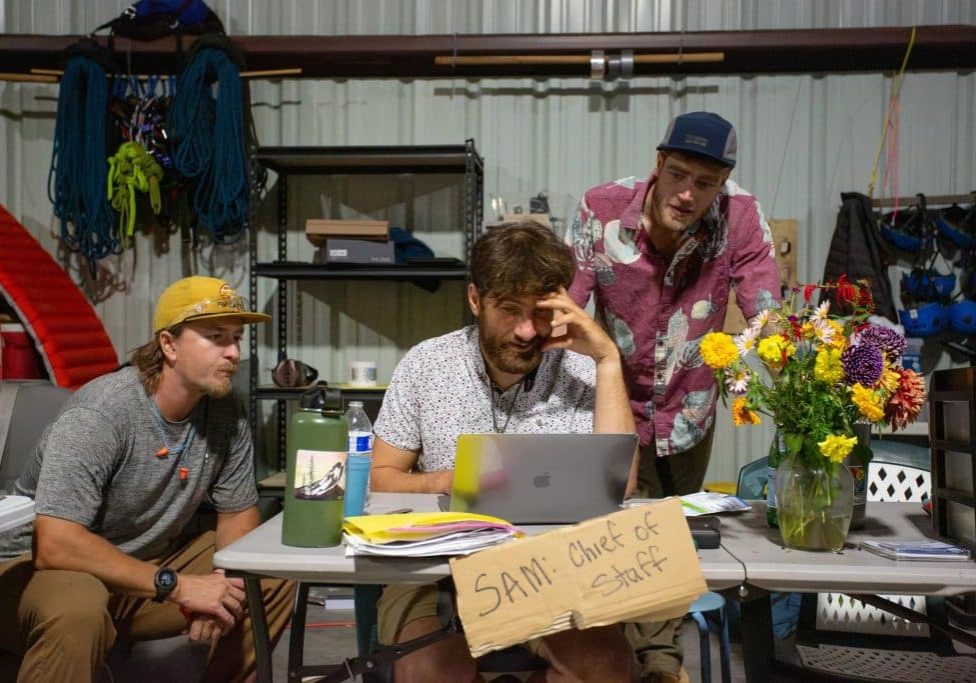
A photo essay that celebrates the volunteer spirit of the grassroots group Hurricane Helene WNC and speaks to the resourcefulness, collaboration and hard work embodied by thousands and thousands of volunteers, first responders and aid workers across the region after Hurricane Helene.

Halloween Approaches, and Night School Is in Session
The House of Art in Bluefield, West Virginia, looks like a haunted tower, making it the perfect location for its sixth annual haunt event: Night School. The Night School will be open every Friday and Saturday night through Oct. 31.
‘The Most Perfect Act of Love’
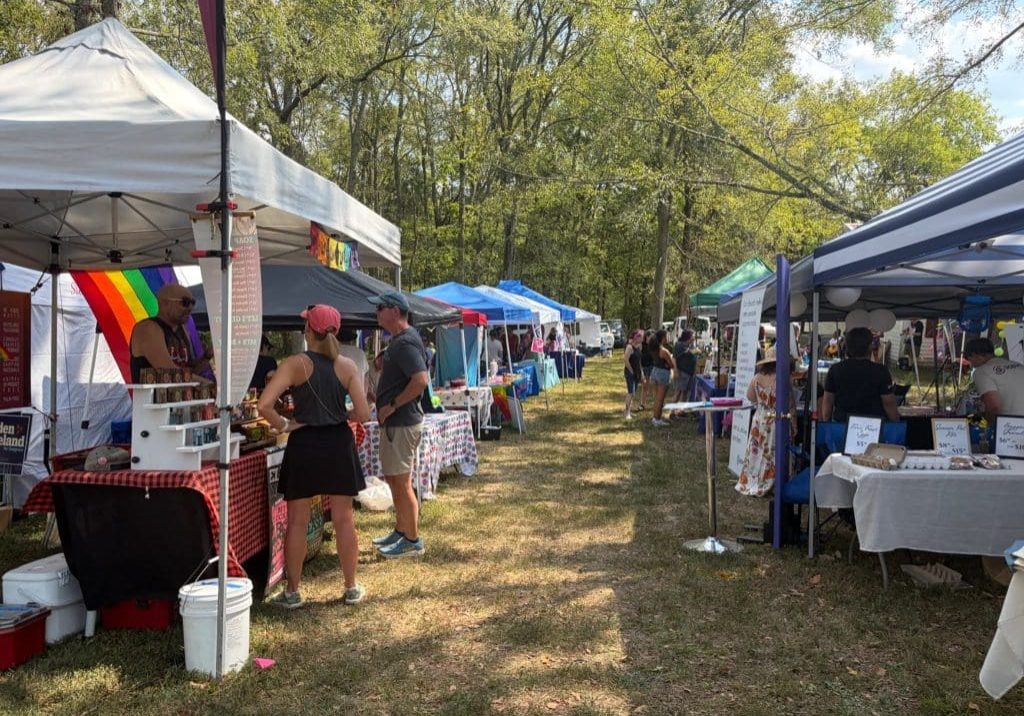
Hundreds of people attended the second annual Affirming Sumner Pride celebration on a 24-acre farm dubbed “Fruity Farm” in Bethpage, Sumner County, Tennessee.

Signs of Life: Endangered Bats Found in Nantahala for First Time in More Than a Decade
In the Nantahala National Forest, a team of biologists spotted Indiana bats, an endangered species that hasn’t been seen in North Carolina for the last 11 years.

‘First Line of Defense’
During Hurricane Helene and its aftermath, rural fire departments and other first responder hubs played critical roles in keeping their communities safe, even without power and cut off from outside support for days or weeks after the storm. Two years later, plenty of work remains to ensure these hubs have the resources they need to operate day to day and be ready when emergencies or natural disasters strike.

The Rocky Road — and Bridge — to Recovery
Hurricane Helene is estimated to have damaged nearly 7,000 private roads and bridges in Western North Carolina. Two years later, many restoration projects are complete, but the journey hasn’t been easy — and isn’t over for others.

Leave a comment
Your email address will not be published. Required fields are marked *
Leave a Comment