

Katie Whitehead
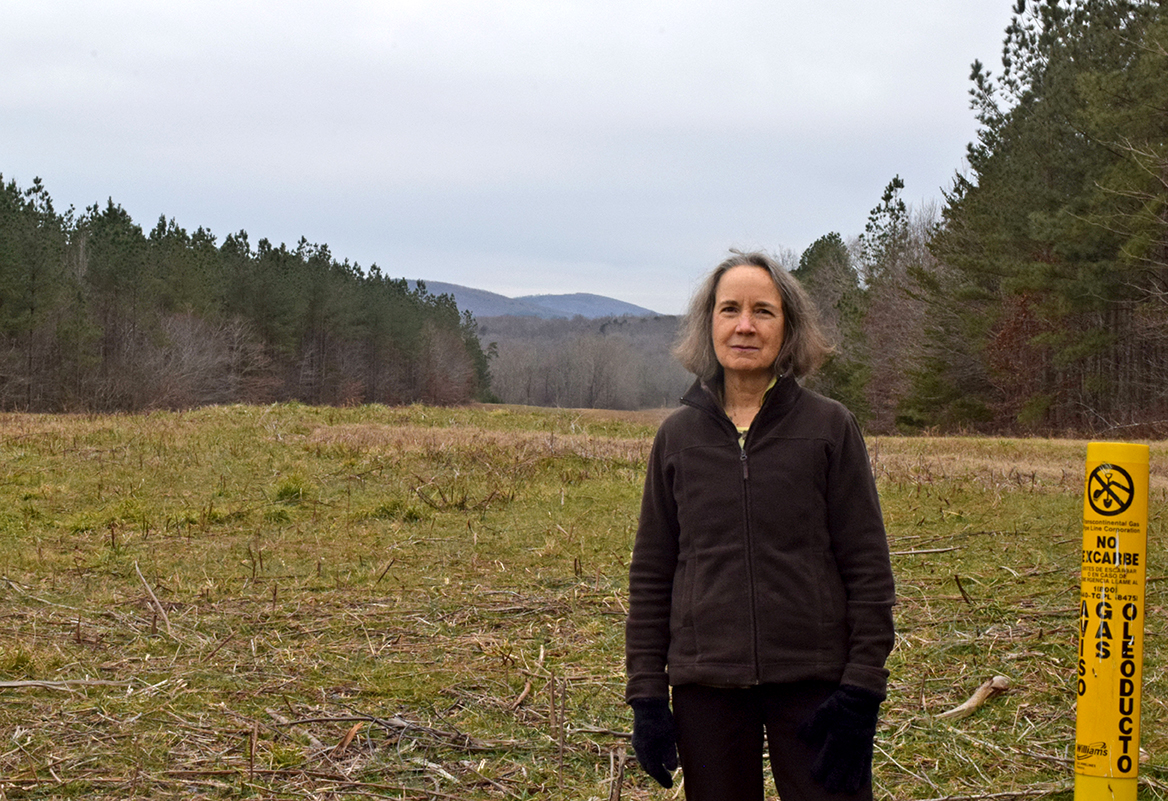
Katie Whitehead next to a marker for one of the Williams Transco pipelines on her property. Photo by Kevin Ridder
In 2014, a Mountain Valley Pipeline contractor called Katie Whitehead asking for permission to survey her 162-acre Chatham, Va., tree farm for the pipeline.
“We refused and later learned that MVP had changed the mainline route,” Katie says. “We thought we’d been spared.”
Katie’s location in the path of MVP Southgate.
“We will never be fully compensated for the first gas line through our property,” she says. “Even one pipeline creates a utility corridor, which becomes the default route for more gas, electric, fiber optic and other lines.”
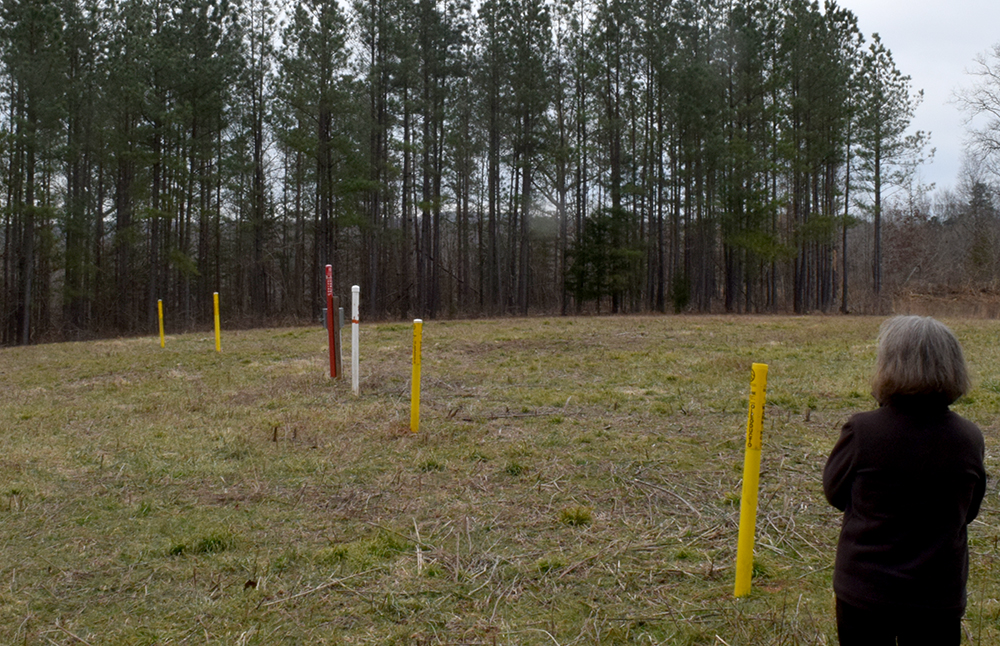
Katie Whitehead looks on at the four Williams Transco pipelines already buried on her property. Photo by Kevin Ridder
In May 2018, a land agent for Southgate came calling. Instead of working with Williams within the existing easement, which Katie claims has enough room for a fifth pipeline, Southgate wants an additional 50-foot permanent easement across her property. This would eliminate approximately 3 acres of her tree farm from production indefinitely.
Katie says that the agent “assured us that once construction was complete and grass was growing, we wouldn’t even notice the right of way – an absurd statement. Our land is a tree farm.”
“We can reasonably ask how much of a burden a small group of landowners should bear for the public good,” Katie says. “Are four pipelines enough?”
She states that her family’s interactions with Southgate representatives have become “increasingly unpleasant.” When one called to discuss an easement in November 2018, they asked the agent to mail the easement for review.

If Southgate’s proposed route is approved, many of these trees next to one of Williams’ four Transco pipelines on Katie’s property could be cut down. Photo by Kevin Ridder
“He refused,” Katie says. “He was aggressive and falsely claimed that Southgate had already been approved.”
Katie states that the Federal Energy Regulatory Commission’s approval of the Mountain Valley and Atlantic Coast pipelines have made her “painfully aware that FERC does not adequately perform due diligence to establish ‘public need and convenience’ for pipelines.”
She adds, “Now it appears we are being asked to sacrifice for an unnecessary gas line so that a corporation can profit.” — By Kevin Ridder
Related Articles
Latest News
More Stories

Halloween Approaches, and Night School Is in Session
The House of Art in Bluefield, West Virginia, looks like a haunted tower, making it the perfect location for its sixth annual haunt event: Night School. The Night School will be open every Friday and Saturday night through Oct. 31.
‘The Most Perfect Act of Love’
After losing its rural pride celebration, hundreds of people attended the second annual Affirming Sumner Pride celebration on a 24-acre farm dubbed “Fruity Farm” in Bethpage, Sumner County, Tennessee.

Signs of Life
In the Nantahala National Forest, a team of biologists spotted Indiana bats, an endangered species that hasn’t been seen in North Carolina for the last 11 years.

‘First Line of Defense’
During Hurricane Helene and its aftermath, rural fire departments and other first responder hubs played critical roles in keeping their communities safe, even without power and cut off from outside support for days or weeks after the storm. Two years later, plenty of work remains to ensure these hubs have the resources they need to operate day to day and be ready when emergencies or natural disasters strike.

The Rocky Road — and Bridge — to Recovery
Hurricane Helene is estimated to have damaged nearly 7,000 private roads and bridges in Western North Carolina. Two years later, many restoration projects are complete, but the journey hasn’t been easy — and isn’t over for others.
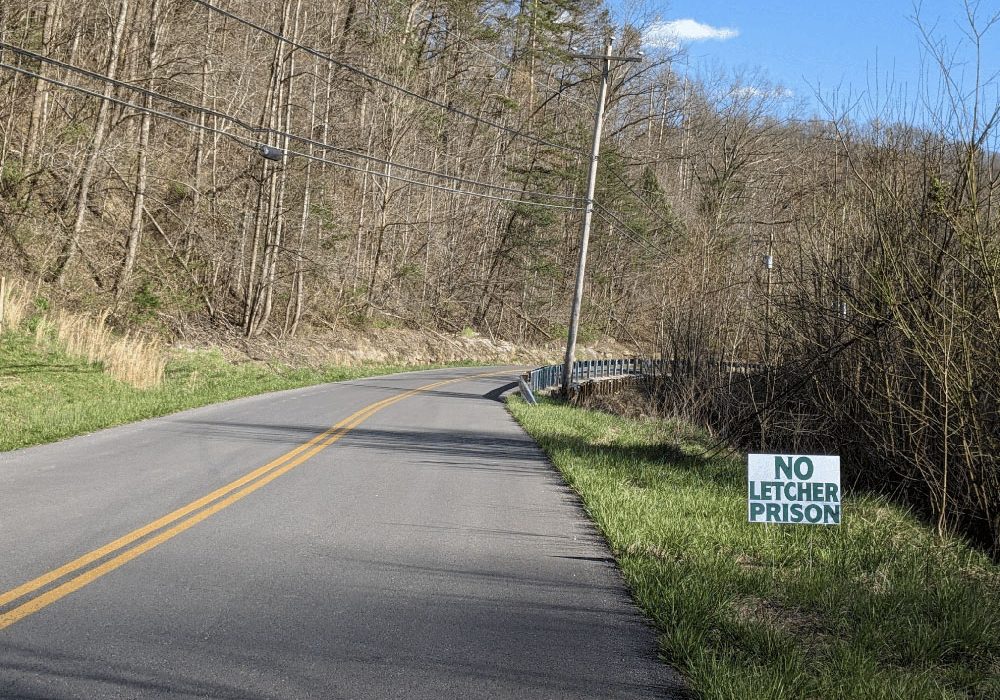
After 20 Years, Letcher County Prison Proposal Is Still Alive, Though Obstacles Remain
A $605 million proposal for a federal prison on a former strip mine site in Letcher County, Kentucky, championed by U.S. Rep. Hal Rogers, refuses to die, despite local opposition, a lack of support from the executive branch and numerous other obstacles.

Leave a comment
Your email address will not be published. Required fields are marked *
Leave a Comment