

Despite setbacks, four men from the Eastern Kentucky towns of Benham and Lynch continue to petition the state to declare more than 10,000 acres off-limits to surface coal mining to protect the historic towns’ viewsheds and the watersheds that feed into municipal water sources.
Under state and federal law, citizens can petition their state governments to designate areas as “lands unsuitable for mining.” Bennie Massey, Carl Shoupe, Roy Silver and Stanley Sturgill originally filed the petition in 2010 with the assistance of the nonprofit conservation organization Kentucky Resources Council.
After the state Energy and Environment Cabinet declined the initial petition, the group appealed — and the ensuing legal battle dragged on for years, according to the Lexington Herald-Leader. In 2018, the state reversed its earlier decision and invited the surface mining opponents to re-submit their petition for review.
The group re-filed the request in late December. Initially on Jan. 31 the state of Kentucky denied the petition, citing existing mining permits for much of the acreage in question. But the following week, the state reversed its decision and deemed the petition complete. A hearing will be held in late March.
The petition argues that surface coal mining would adversely affect the area’s historic character. “The cities of Lynch and Benham have invested much time and effort in an attempt to diversify their economy and to attract visitors to the area,” the petition reads, noting that “surface coal mining above the cities will harm those efforts and conflict with the protection and enhancement of the historic and cultural values reflected in these districts.”
Surface mining would harm local drinking water sources and fragile natural resources, damaging residents’ health and ability to enjoy their communities while threatening future economic prospects, according to the petition.
Editor’s Note: This story was updated from the print version on Feb. 12, 2019, to reflect the state of Kentucky’s decision to hold a hearing on the petition.
Related Articles
Latest News
More Stories
Neighbors Help Neighbors
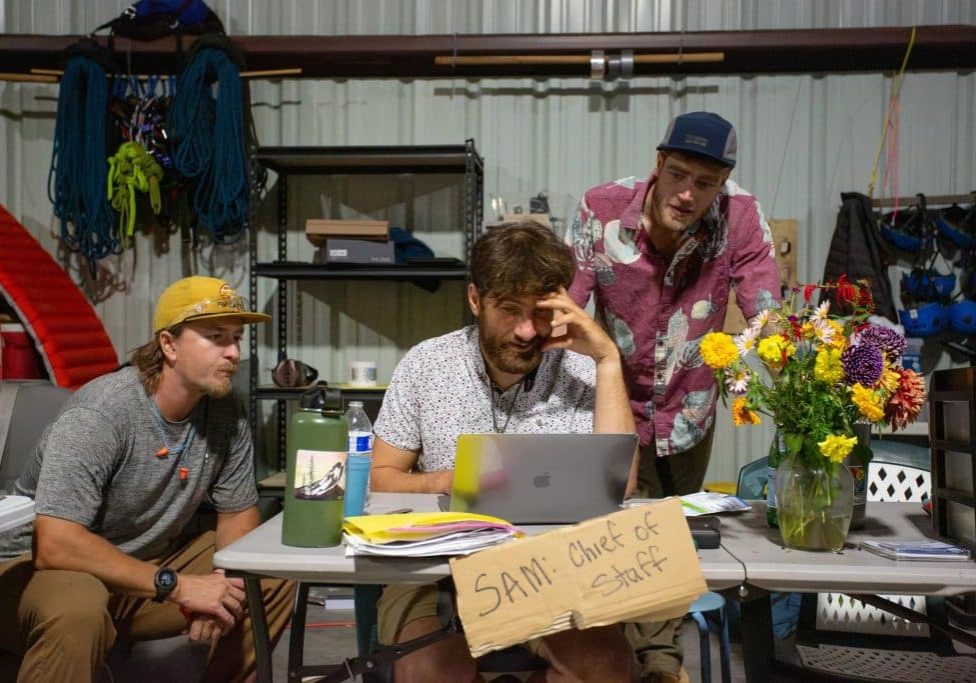
A photo essay that celebrates the volunteer spirit of the grassroots group Hurricane Helene WNC and speaks to the resourcefulness, collaboration and hard work embodied by thousands and thousands of volunteers, first responders and aid workers across the region after Hurricane Helene.

Halloween Approaches, and Night School Is in Session
The House of Art in Bluefield, West Virginia, looks like a haunted tower, making it the perfect location for its sixth annual haunt event: Night School. The Night School will be open every Friday and Saturday night through Oct. 31.
‘The Most Perfect Act of Love’
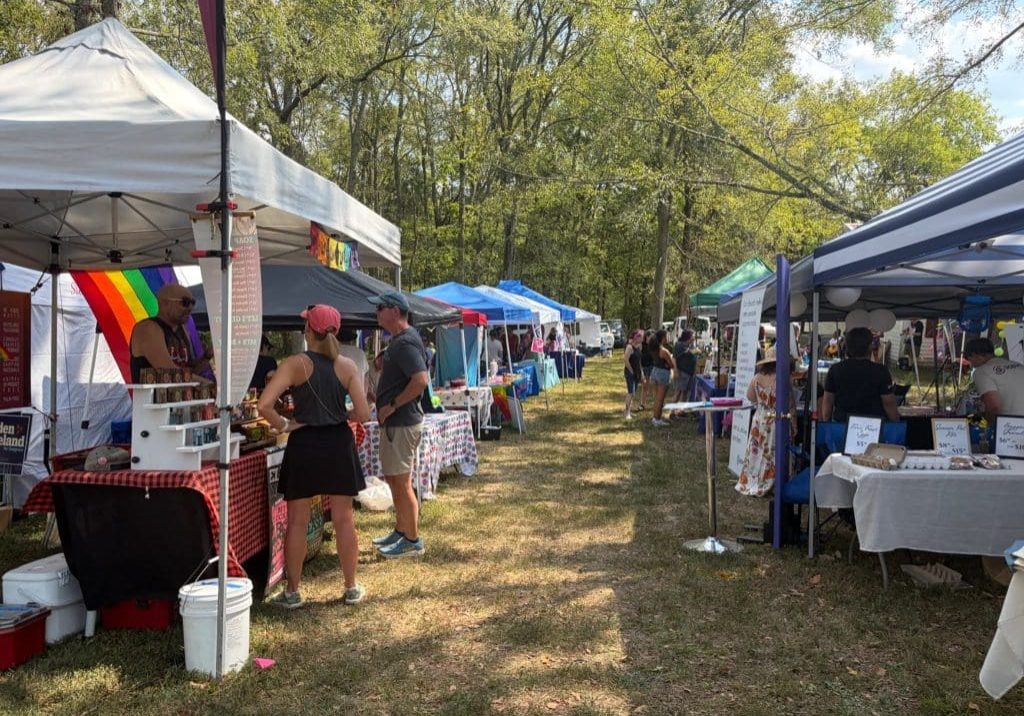
Hundreds of people attended the second annual Affirming Sumner Pride celebration on a 24-acre farm dubbed “Fruity Farm” in Bethpage, Sumner County, Tennessee.

Signs of Life: Endangered Bats Found in Nantahala for First Time in More Than a Decade
In the Nantahala National Forest, a team of biologists spotted Indiana bats, an endangered species that hasn’t been seen in North Carolina for the last 11 years.

‘First Line of Defense’
During Hurricane Helene and its aftermath, rural fire departments and other first responder hubs played critical roles in keeping their communities safe, even without power and cut off from outside support for days or weeks after the storm. Two years later, plenty of work remains to ensure these hubs have the resources they need to operate day to day and be ready when emergencies or natural disasters strike.

The Rocky Road — and Bridge — to Recovery
Hurricane Helene is estimated to have damaged nearly 7,000 private roads and bridges in Western North Carolina. Two years later, many restoration projects are complete, but the journey hasn’t been easy — and isn’t over for others.

Leave a comment
Your email address will not be published. Required fields are marked *
Leave a Comment