

Duke Energy may get a pass on the cleanup of seven toxic coal ash dumps in North Carolina after the state Department of Environmental Quality classified the sites as “low risk” in November.
This makes it easier for Duke to merely cap the coal byproduct in place instead of moving it to a lined landfill away from water sources. The DEQ will rule on final cleanup plans for the sites in April 2019. All seven of these sites were classified as “intermediate risk” under the state’s 2014 Coal Ash Management Act.
But in 2016, Duke and the DEQ successfully lobbied the legislature to water down the law by making it easier to lower the sites’ risk ratings. The law states that Duke can obtain a “low risk” rating by providing an alternative water supply for people within a half-mile of each site and completing state-mandated dam repairs, which the DEQ says Duke has now done.
“But this says nothing about pollution of lakes, rivers and streams; pollution of groundwater; pollution of existing or potential drinking water supplies; or impacts on people living outside one half-mile or people who use natural resources but don’t live within one half-mile; or impacts on ecosystems and aquatic life,” Frank Holleman, senior attorney with nonprofit law firm Southern Environmental Law Center, wrote in an email.
Holleman successfully sued Duke to move the coal ash from the Buck Steam Station in central North Carolina. Although the site is one of the seven classified as “low risk,” Duke will still have to excavate the coal ash due to this litigation. The DEQ is set to hold public informational meetings on the fate of the other six sites in early 2019.
On Nov. 7, Duke revealed that 24 of its 26 coal ash pits in the Carolinas are not meeting federal standards because they sit within five feet of groundwater aquifers. The only two compliant basins had already been fully excavated. — By Kevin Ridder
Related Articles
Latest News
More Stories
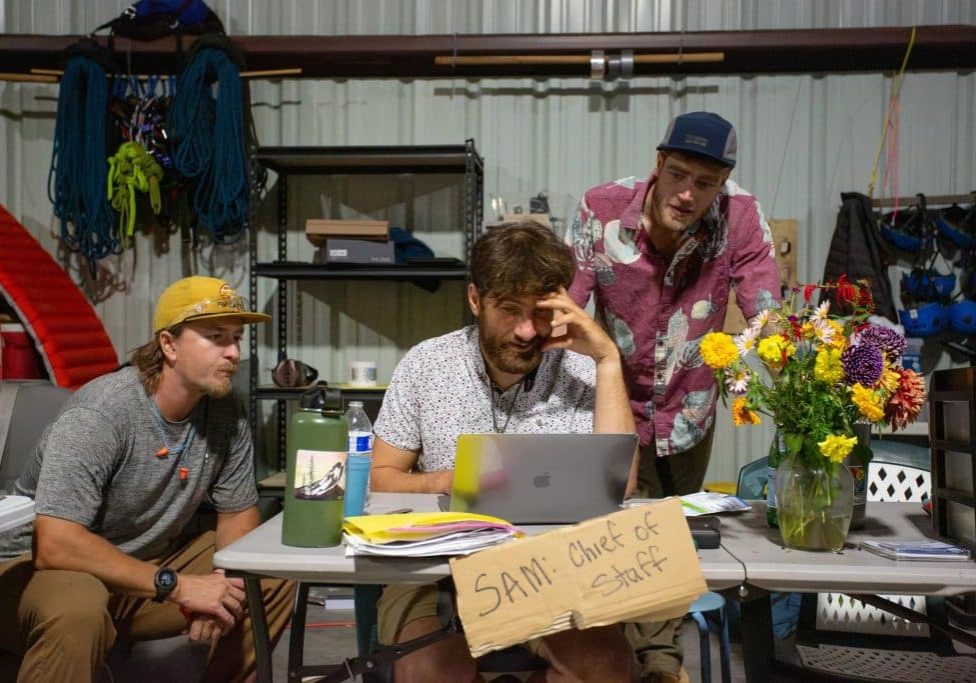
Neighbors Help Neighbors
A photo essay that celebrates the volunteer spirit of the grassroots group Hurricane Helene WNC and speaks to the resourcefulness, collaboration and hard work embodied by thousands and thousands of volunteers, first responders and aid workers across the region after Hurricane Helene.

Halloween Approaches, and Night School Is in Session
The House of Art in Bluefield, West Virginia, looks like a haunted tower, making it the perfect location for its sixth annual haunt event: Night School. The Night School will be open every Friday and Saturday night through Oct. 31.
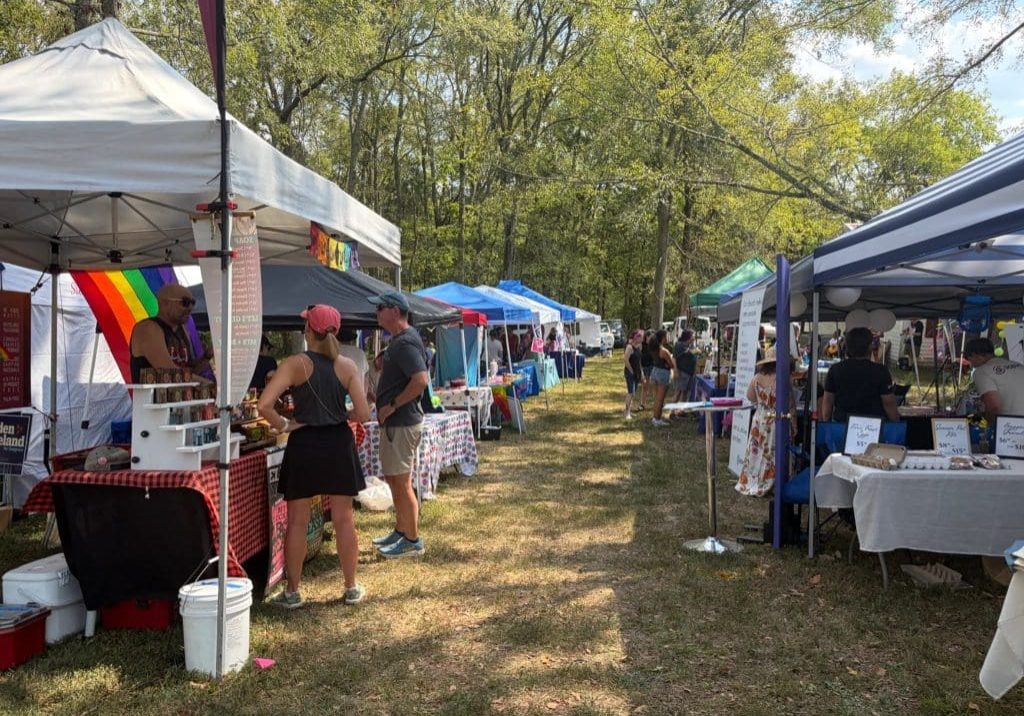
‘The Most Perfect Act of Love’
Hundreds of people attended the second annual Affirming Sumner Pride celebration on a 24-acre farm dubbed “Fruity Farm” in Bethpage, Sumner County, Tennessee.
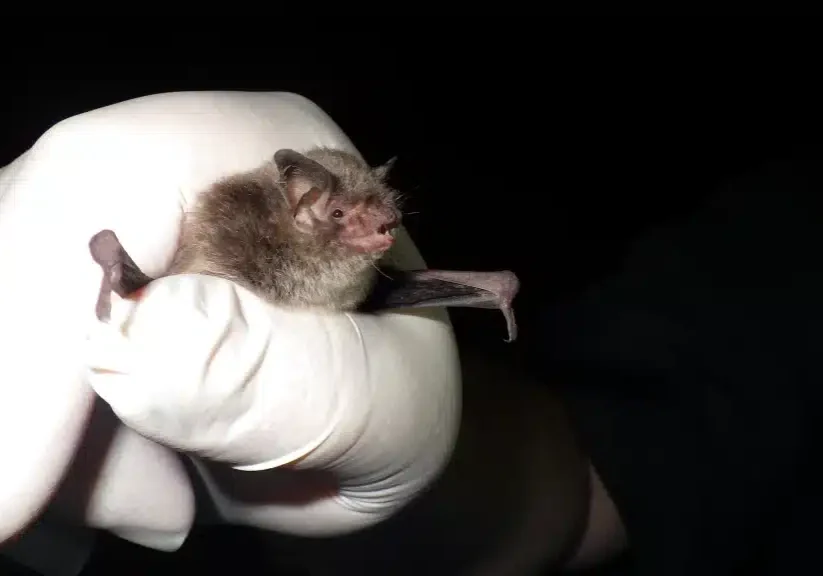
Signs of Life: Endangered Bats Found in Nantahala for First Time in More Than a Decade
In the Nantahala National Forest, a team of biologists spotted Indiana bats, an endangered species that hasn’t been seen in North Carolina for the last 11 years.

‘First Line of Defense’
During Hurricane Helene and its aftermath, rural fire departments and other first responder hubs played critical roles in keeping their communities safe, even without power and cut off from outside support for days or weeks after the storm. Two years later, plenty of work remains to ensure these hubs have the resources they need to operate day to day and be ready when emergencies or natural disasters strike.

The Rocky Road — and Bridge — to Recovery
Hurricane Helene is estimated to have damaged nearly 7,000 private roads and bridges in Western North Carolina. Two years later, many restoration projects are complete, but the journey hasn’t been easy — and isn’t over for others.

Leave a comment
Your email address will not be published. Required fields are marked *
Leave a Comment