

On Nov. 7, a public meeting addessed concerns over a proposed landfill for Tennessee’s Oak Ridge Reservation, a 37,000-acre area that produced enriched uranium for nuclear weapons during World War II and the Cold War. Residents cited worries such as high levels of precipitation at the site and the management of contaminated water in nearby streams.
The U.S. Environmental Protection Agency designated the area as a Superfund site in 1989. UCOR is the official environmental cleanup contractor for the site and oversees the current waste treatments. In September, UCOR CEO Kenneth J. Rueter told The Oak Ridger that “future cleanup is threatened without another facility that provides the capacity to finish the cleanup in Oak Ridge.”
Clarkrange, Tenn., resident Sid Jones argued in a letter to the Oak Ridger that while the current facility is presented as an “unblemished success,” significant issues have occurred including flooding and the release of radioactive wastewater.
The Oak Ridge Quality Advisory Board Chairman told The Oak Ridger that he would like the U.S. Department of Energy to try a different solution — preferably one that removes waste from the site, noting that the ground below the proposed landfill is “like Swiss cheese.”
The Tennessee Department of Environment and Conservation raised similar concerns in a public release which details “important issues that have not been resolved enough to gain state approval of [the Department of Energy’s] proposed plan.” These concerns include groundwater contamination, the transportation and handling of mercury and a lack of transparency regarding the amount of waste within the facility. — By Caelann Wood
Related Articles
Latest News
More Stories

Signs of Life
In the Nantahala National Forest, a team of biologists spotted Indiana bats, an endangered species that hasn’t been seen in North Carolina for the last 11 years.

‘First Line of Defense’
During Hurricane Helene and its aftermath, rural fire departments and other first responder hubs played critical roles in keeping their communities safe, even without power and cut off from outside support for days or weeks after the storm. Two years later, plenty of work remains to ensure these hubs have the resources they need to operate day to day and be ready when emergencies or natural disasters strike.

The Rocky Road — and Bridge — to Recovery
Hurricane Helene is estimated to have damaged nearly 7,000 private roads and bridges in Western North Carolina. Two years later, many restoration projects are complete, but the journey hasn’t been easy — and isn’t over for others.
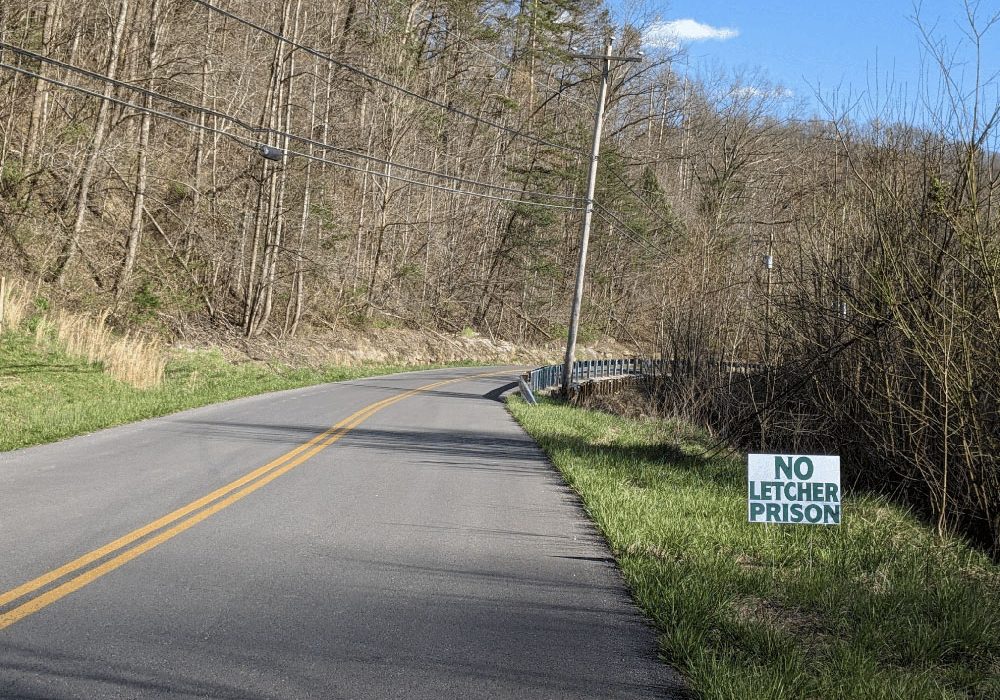
After 20 Years, Letcher County Prison Proposal Is Still Alive, Though Obstacles Remain
A $605 million proposal for a federal prison on a former strip mine site in Letcher County, Kentucky, championed by U.S. Rep. Hal Rogers, refuses to die, despite local opposition, a lack of support from the executive branch and numerous other obstacles.
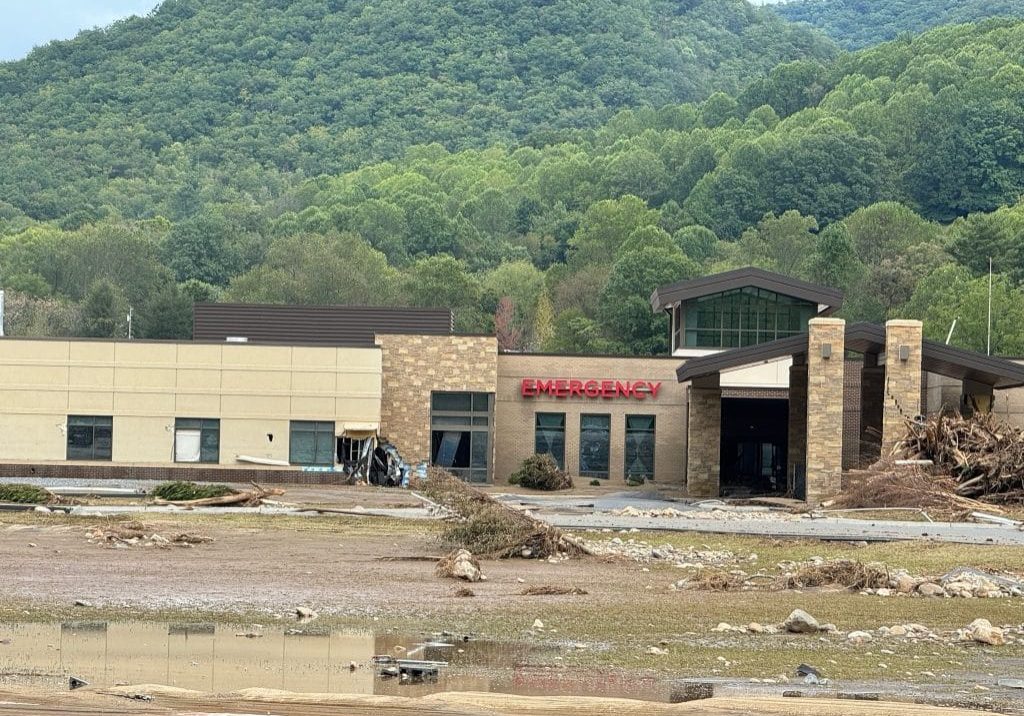
The Washout and Rebuild
For nearly two years, residents of Unicoi County, Tennessee, have had to make do without a hospital after Hurricane Helene destroyed the rural hospital. Ballad Health, which owns the hospital, broke ground on a new location — in another floodplain — in August 2026.

The Shenandoah Salamander
The Shenandoah salamander is a woodland salamander, which has adapted to life at higher elevations away from water. This sparkling rarity lives among the dry leaves, cracked logs, and stony hillocks on the highest peaks of Shenandoah National Park.

Leave a comment
Your email address will not be published. Required fields are marked *
Leave a Comment