

On Oct. 11, a solid waste permit was renewed for Rohm and Haas Chemical Plant in Knoxville, Tenn.
To raise awareness of the plant, nonprofit groups Statewide Organizing for Community eMpowerment, Science for the People’s Knoxville chapter, and Students Promoting Environmental Action in Knoxville were involved in a Tennessee Department of Environment and Conservation hearing on the permit renewal in September.
Community members voiced concerns over chemicals produced at the plant, standards used for waste storage, and quality of the cleanup of previous spills. The plant had previous infractions for leaking contaminants into local groundwater, and part of the waste permit’s mandate is to continue remediation work that began in 2008.
“A lot of people don’t even know there’s a potential danger,” says Tiara-Lady Wilson, a member of Statewide Organizing for Community eMpowerment.
Rohm and Haas is required to remediate tetrachloroethene, which leaked into groundwater at the site, as part of the permit. The company has been injecting sodium lactate into groundwater sources as a form of bioremediation. Tetrachloroethene degrades into more toxic chemicals such as vinyl chloride, which have been linked to cancer, liver and kidney damage and more.
“At the end of the day, Rohm and Haas is following the law,” Wilson says. While no changes were made to the permit after public comment, Wilson notes that not everything that is legal is right.
“It’s the state-level regulators at this point that wield any power as far as actually monitoring and regulating giant corporations,” says Ben Allen of Science for the People. — By Eric Halvarson
Related Articles
Latest News
More Stories
Neighbors Help Neighbors
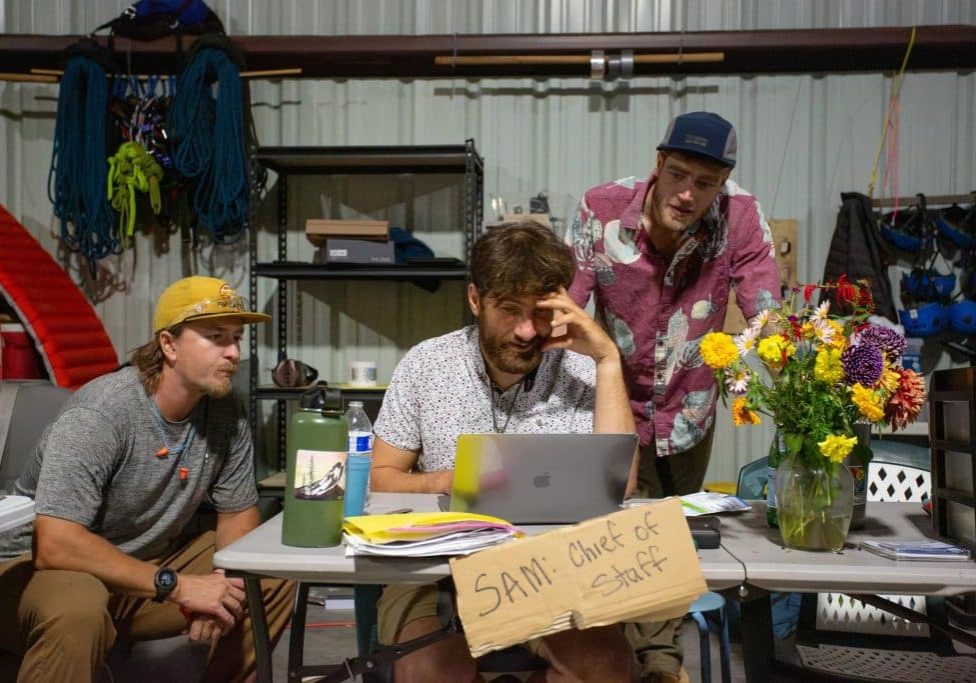
A photo essay that celebrates the volunteer spirit of the grassroots group Hurricane Helene WNC and speaks to the resourcefulness, collaboration and hard work embodied by thousands and thousands of volunteers, first responders and aid workers across the region after Hurricane Helene.

Halloween Approaches, and Night School Is in Session
The House of Art in Bluefield, West Virginia, looks like a haunted tower, making it the perfect location for its sixth annual haunt event: Night School. The Night School will be open every Friday and Saturday night through Oct. 31.
‘The Most Perfect Act of Love’
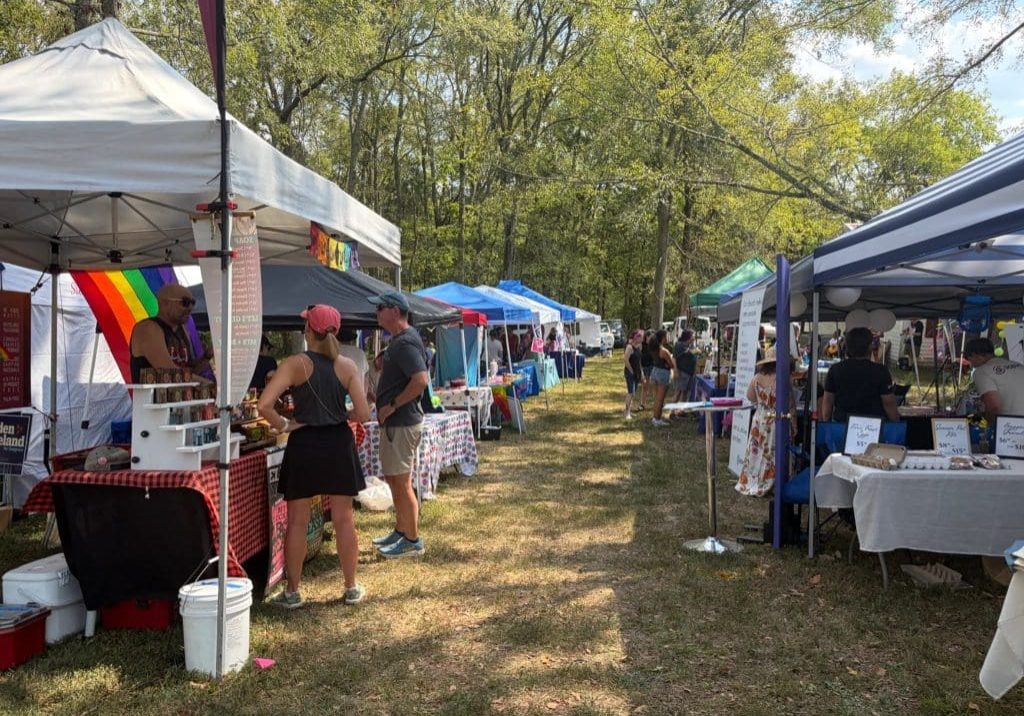
Hundreds of people attended the second annual Affirming Sumner Pride celebration on a 24-acre farm dubbed “Fruity Farm” in Bethpage, Sumner County, Tennessee.

Signs of Life: Endangered Bats Found in Nantahala for First Time in More Than a Decade
In the Nantahala National Forest, a team of biologists spotted Indiana bats, an endangered species that hasn’t been seen in North Carolina for the last 11 years.

‘First Line of Defense’
During Hurricane Helene and its aftermath, rural fire departments and other first responder hubs played critical roles in keeping their communities safe, even without power and cut off from outside support for days or weeks after the storm. Two years later, plenty of work remains to ensure these hubs have the resources they need to operate day to day and be ready when emergencies or natural disasters strike.

The Rocky Road — and Bridge — to Recovery
Hurricane Helene is estimated to have damaged nearly 7,000 private roads and bridges in Western North Carolina. Two years later, many restoration projects are complete, but the journey hasn’t been easy — and isn’t over for others.

Leave a comment
Your email address will not be published. Required fields are marked *
Leave a Comment