

On May 17, North Carolina House Democrats and House and Senate Republicans filed separate legislation to address the emerging contaminant GenX. The proposals differ in funding allocated to the N.C. Department of Environmental Quality.
House Bill 968 offers the NCDEQ over $14 million, while Senate Bill 724 proposes more than $1.3 million for the agency. Both bills would address the department’s permitting backlogs.
GenX is a fluorinated chemical compound used by companies like Chemours (a subsidiary of DuPont) to manufacture products such as food packaging, cleaning products, GoreTex fabric and non-stick pans.
On May 9, the Cape Fear Public Utility Authority Board approved new water treatment methods for its Sweeney plant in Wilmington, N.C., to prevent chemicals like the potentially cancer-causing GenX from infiltrating municipal water supplies.
Upgrading the plant to the new granular activated carbon treatment system would take about two years and require customers to pay a 7 percent increase in total water and sewer bills — costs that the utility hopes to recoup through litigation against Chemours, the manufacturing plant tied to GenX contamination around Wilmington.
Between August 2011 and February 2018, similar filters were installed at drinking water wells in West Virginia and Ohio near a Chemours facility; sampling has shown the filters to be effective at removing GenX-related chemicals from the water. In April, the U.S. Environmental Protection Agency announced that the compound was found in wells near the Petersburg, W.Va., Chemours facility. — By Hannah Gillespie
Related Articles
Latest News
More Stories
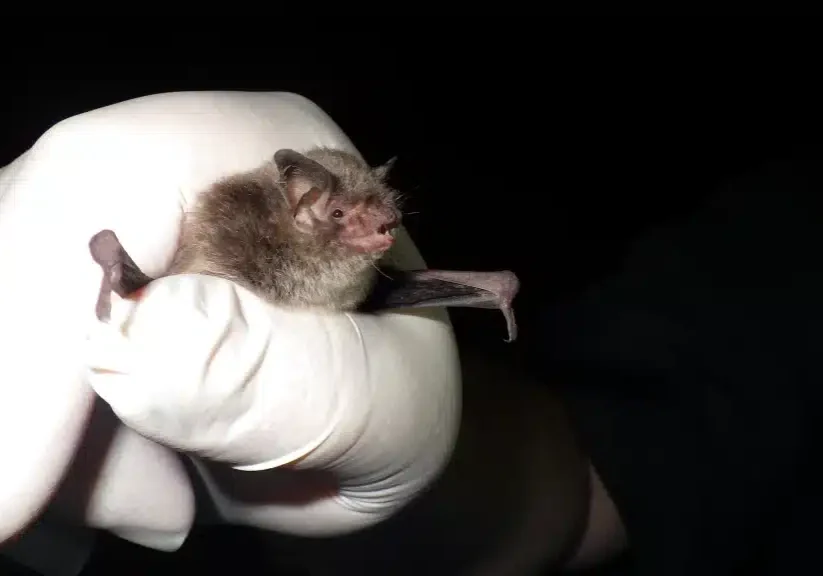
Signs of Life
In the Nantahala National Forest, a team of biologists spotted Indiana bats, an endangered species that hasn’t been seen in North Carolina for the last 11 years.

‘First Line of Defense’
During Hurricane Helene and its aftermath, rural fire departments and other first responder hubs played critical roles in keeping their communities safe, even without power and cut off from outside support for days or weeks after the storm. Two years later, plenty of work remains to ensure these hubs have the resources they need to operate day to day and be ready when emergencies or natural disasters strike.
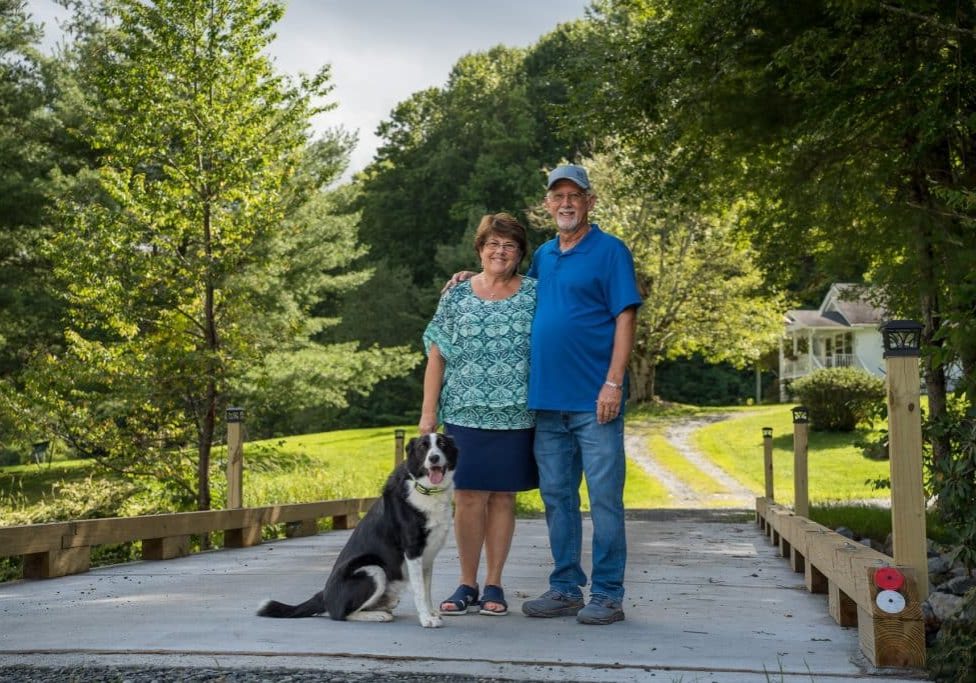
The Rocky Road — and Bridge — to Recovery
Hurricane Helene is estimated to have damaged nearly 7,000 private roads and bridges in Western North Carolina. Two years later, many restoration projects are complete, but the journey hasn’t been easy — and isn’t over for others.
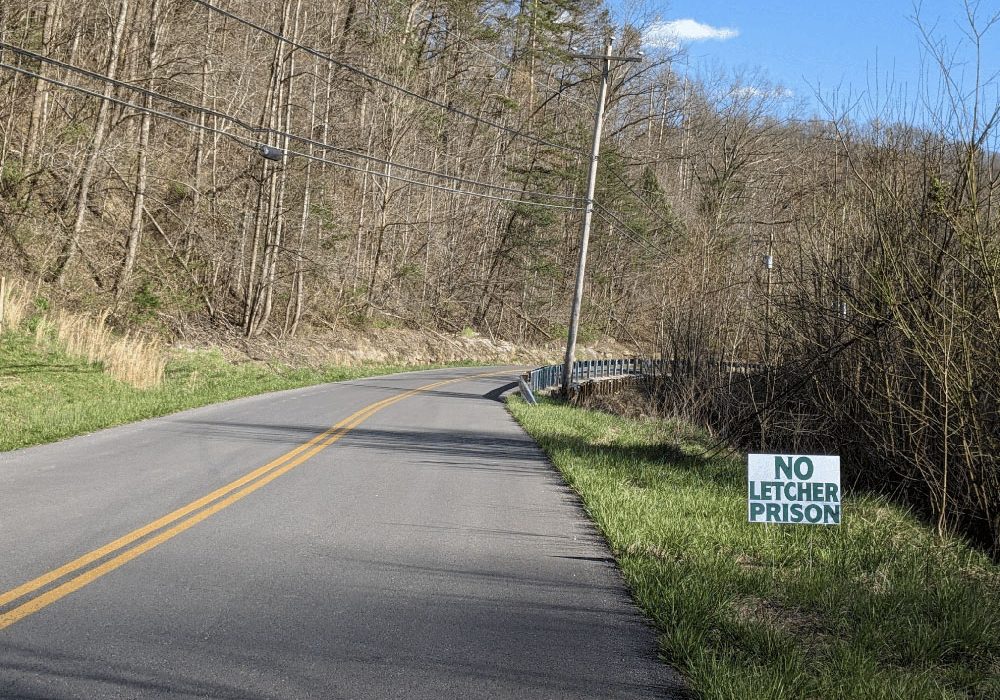
After 20 Years, Letcher County Prison Proposal Is Still Alive, Though Obstacles Remain
A $605 million proposal for a federal prison on a former strip mine site in Letcher County, Kentucky, championed by U.S. Rep. Hal Rogers, refuses to die, despite local opposition, a lack of support from the executive branch and numerous other obstacles.
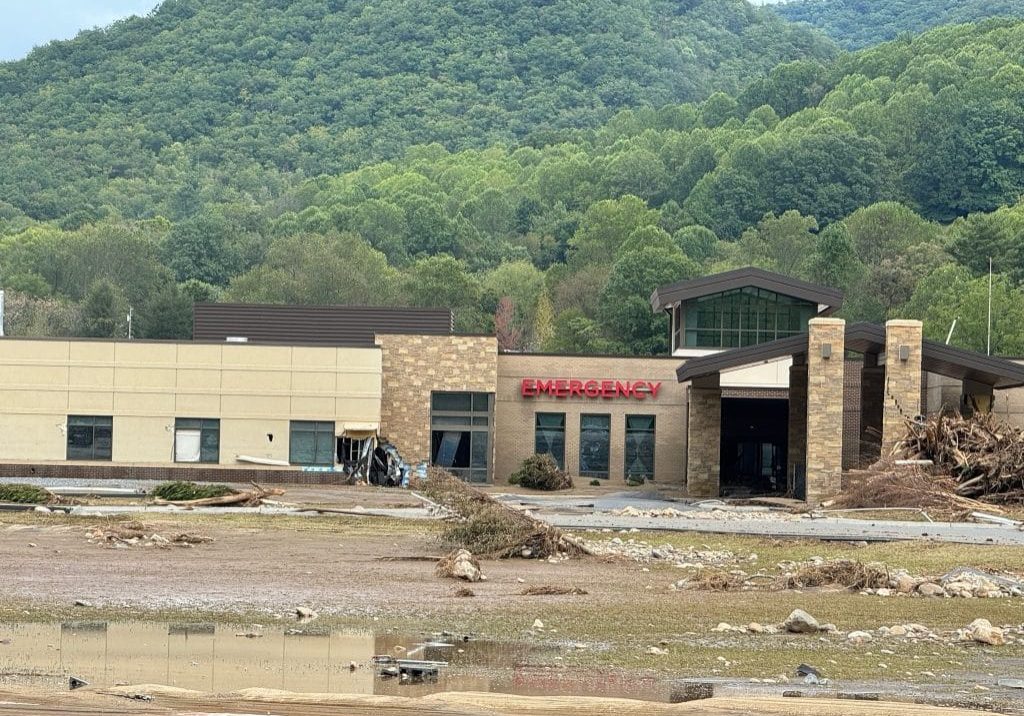
The Washout and Rebuild
For nearly two years, residents of Unicoi County, Tennessee, have had to make do without a hospital after Hurricane Helene destroyed the rural hospital. Ballad Health, which owns the hospital, broke ground on a new location — in another floodplain — in August 2026.

The Shenandoah Salamander
The Shenandoah salamander is a woodland salamander, which has adapted to life at higher elevations away from water. This sparkling rarity lives among the dry leaves, cracked logs, and stony hillocks on the highest peaks of Shenandoah National Park.

Leave a comment
Your email address will not be published. Required fields are marked *
Leave a Comment