

In March, Virginia Gov. Ralph Northam signed an omnibus spending bill bringing significant changes to energy policy. The law was widely criticized by legislators and grassroots organizations — including Appalachian Voices, the publisher of this newspaper — as being heavily influenced by and largely benefiting Dominion Energy.
Although the law ended Dominion’s 2015 rate freezes that had allowed the utility to overcharge customers by hundreds of millions of dollars, it restricts the ability of the State Corporation Commission to regulate future rates that utilities charge their customers. The commission is tasked with ensuring that regulated monopolies like Dominion act in the public’s best interest.
Additionally, the law allows Dominion to keep most of the customer overcharges to spend on new infrastructure. Opponents of the law argue that this will prevent the SCC from issuing customer refunds and lowering Dominion’s artificially inflated rates.
“This means that SCC’s job going forward will simply be to rubber stamp Dominion’s decisions rather than independently scrutinizing the proposals’ merits,” Del. Mark Keam wrote in a Washington Post op-ed. Additionally, Del. Keam called for a “prohibition” on political campaign contributions from Dominion.
The law also eased the regulatory path for 5.5 gigawatts of new renewable energy projects, but did not make them mandatory.
Related Articles
Latest News
More Stories

Halloween Approaches, and Night School Is in Session
The House of Art in Bluefield, West Virginia, looks like a haunted tower, making it the perfect location for its sixth annual haunt event: Night School. The Night School will be open every Friday and Saturday night through Oct. 31.
‘The Most Perfect Act of Love’
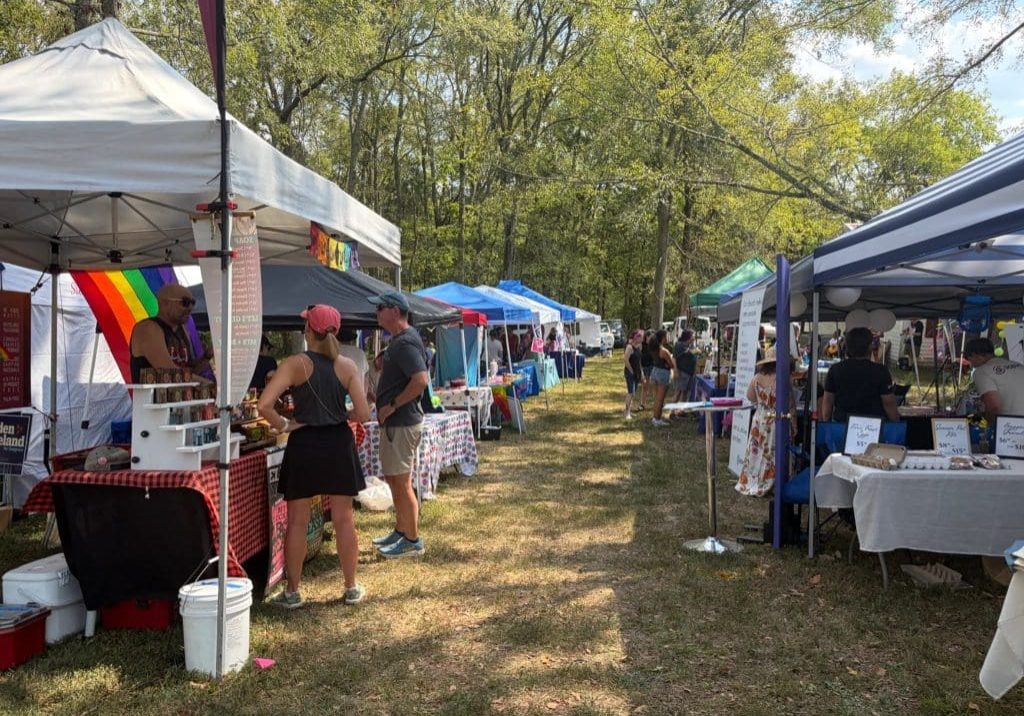
After losing its rural pride celebration, hundreds of people attended the second annual Affirming Sumner Pride celebration on a 24-acre farm dubbed “Fruity Farm” in Bethpage, Sumner County, Tennessee.

Signs of Life
In the Nantahala National Forest, a team of biologists spotted Indiana bats, an endangered species that hasn’t been seen in North Carolina for the last 11 years.

‘First Line of Defense’
During Hurricane Helene and its aftermath, rural fire departments and other first responder hubs played critical roles in keeping their communities safe, even without power and cut off from outside support for days or weeks after the storm. Two years later, plenty of work remains to ensure these hubs have the resources they need to operate day to day and be ready when emergencies or natural disasters strike.

The Rocky Road — and Bridge — to Recovery
Hurricane Helene is estimated to have damaged nearly 7,000 private roads and bridges in Western North Carolina. Two years later, many restoration projects are complete, but the journey hasn’t been easy — and isn’t over for others.
After 20 Years, Letcher County Prison Proposal Is Still Alive, Though Obstacles Remain
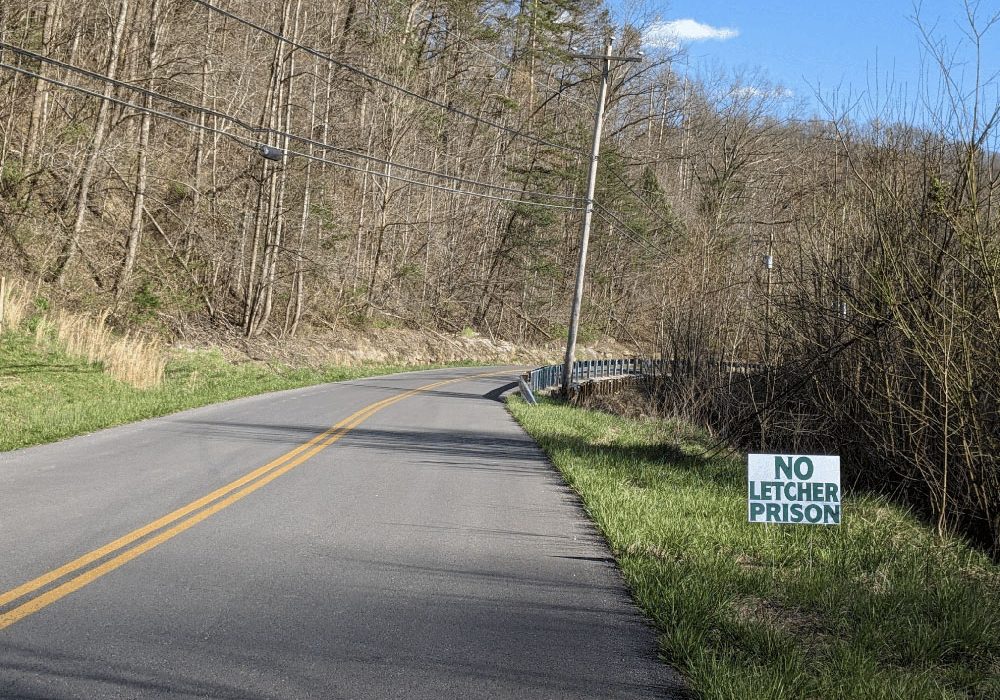
A $605 million proposal for a federal prison on a former strip mine site in Letcher County, Kentucky, championed by U.S. Rep. Hal Rogers, refuses to die, despite local opposition, a lack of support from the executive branch and numerous other obstacles.

Leave a comment
Your email address will not be published. Required fields are marked *
One response to “Virginia Law Grants Large Utilities Less Regulation”
-

Wow! This us not how it was presented to us. Of course, the Richmond Times Dispatch probably put Dominions spin onthe story.

Leave a Comment