

Atlantic Coast and Mountain Valley Pipelines Struggle to Get Underway
In January, the Federal Energy Regulatory Commission issued approval to begin preliminary tree felling for the proposed Atlantic Coast Pipeline in parts of Virginia and West Virginia, and in parts of West Virginia for the proposed Mountain Valley Pipeline. At press time, both projects were awaiting some regulatory approvals along their paths.
On Dec. 7, the State Water Control Board in Virginia approved permits for the Mountain Valley Pipeline over robust objections from citizens and environmental groups. The following week, the same board approved permits for the Atlantic Coast Pipeline, but stipulated that they would take effect only after additional environmental impact reports were completed and approved.
Hearings for both pipelines were packed, and board members heard from residents and water quality experts.
Immediately following the first decision, several environmental groups — including Appalachian Voices, the publisher of this paper — filed a petition with a federal appeals court to overturn the state’s decision on the MVP.
On Jan. 9, Appalachian Mountain Advocates filed a lawsuit with a separate federal appeals court to challenge FERC’s decision to grant a “certificate of public convenience and necessity” for the Mountain Valley Pipeline. The suit was filed on behalf of a coalition of environmental groups, including Appalachian Voices.
In West Virginia, landowners who have been sued by Mountain Valley Pipeline to gain access to their property filed a brief in late December in the U.S. District Court in the Southern District of West Virginia arguing that pipeline developers should not gain access until they have met all certification requirements by FERC, according to MetroNews.
In North Carolina, the state’s Department of Environmental Quality has delayed a decision regarding an air quality permit needed for a compressor station along the Atlantic Coast Pipeline’s route until the pipeline developers provide additional information. Regulators also requested additional information regarding required water quality permits.
And in Virginia, Sen. Tim Kaine sent a letter to FERC on Jan. 5 asking that the commission reconsider its approval of the two pipelines.
“The commission approved the MVP and ACP on 2-1 votes when two of the five commissioner slots were vacant,” he wrote. “The split decisions were most unusual — 98 percent of FERC orders in 2016 were unanimous. Given that the commission now has a full complement of five members, there is real concern about whether the divided rulings by a partial commission fairly reflect the FERC position.”
Meanwhile, Dominion Energy, a lead partner in the Atlantic Coast Pipeline, is pursuing a deal to buy SCANA Corp., a South Carolina energy company, which would likely pave the way for an expansion of the ACP into South Carolina.
“This combination can open new expansion opportunities, including the Atlantic Coast Pipeline that is now under development, bringing lower-cost natural gas to the region,” Dominion CEO Tom Farrell said of the deal.
Related Articles
Latest News
More Stories

Halloween Approaches, and Night School Is in Session
The House of Art in Bluefield, West Virginia, looks like a haunted tower, making it the perfect location for its sixth annual haunt event: Night School. The Night School will be open every Friday and Saturday night through Oct. 31.
‘The Most Perfect Act of Love’
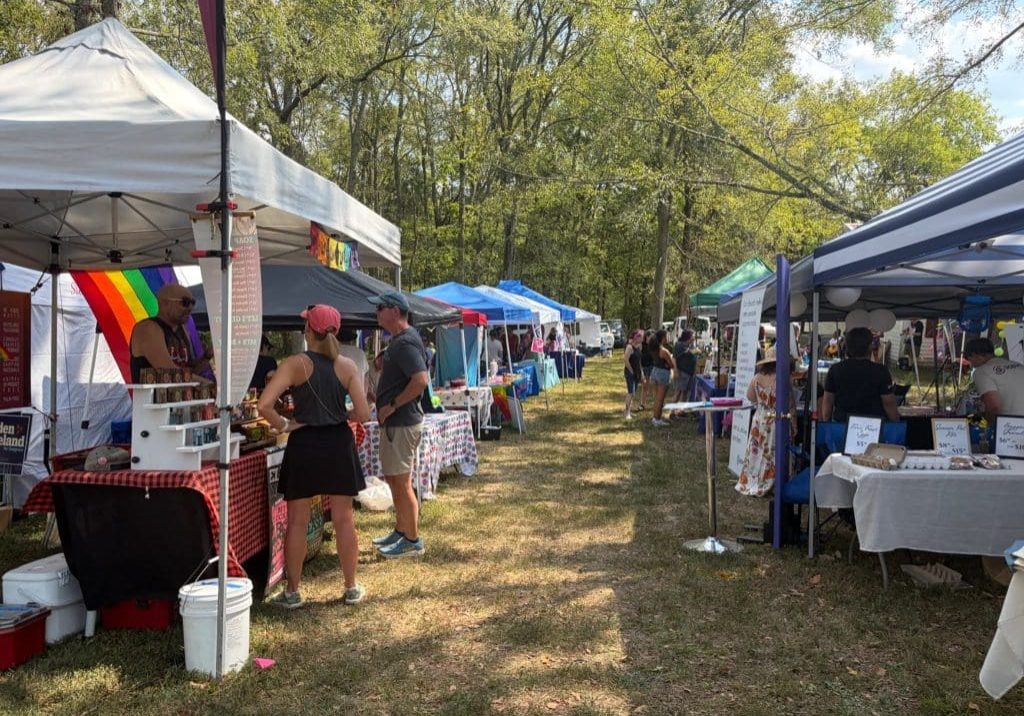
After losing its rural pride celebration, hundreds of people attended the second annual Affirming Sumner Pride celebration on a 24-acre farm dubbed “Fruity Farm” in Bethpage, Sumner County, Tennessee.

Signs of Life
In the Nantahala National Forest, a team of biologists spotted Indiana bats, an endangered species that hasn’t been seen in North Carolina for the last 11 years.

‘First Line of Defense’
During Hurricane Helene and its aftermath, rural fire departments and other first responder hubs played critical roles in keeping their communities safe, even without power and cut off from outside support for days or weeks after the storm. Two years later, plenty of work remains to ensure these hubs have the resources they need to operate day to day and be ready when emergencies or natural disasters strike.

The Rocky Road — and Bridge — to Recovery
Hurricane Helene is estimated to have damaged nearly 7,000 private roads and bridges in Western North Carolina. Two years later, many restoration projects are complete, but the journey hasn’t been easy — and isn’t over for others.
After 20 Years, Letcher County Prison Proposal Is Still Alive, Though Obstacles Remain
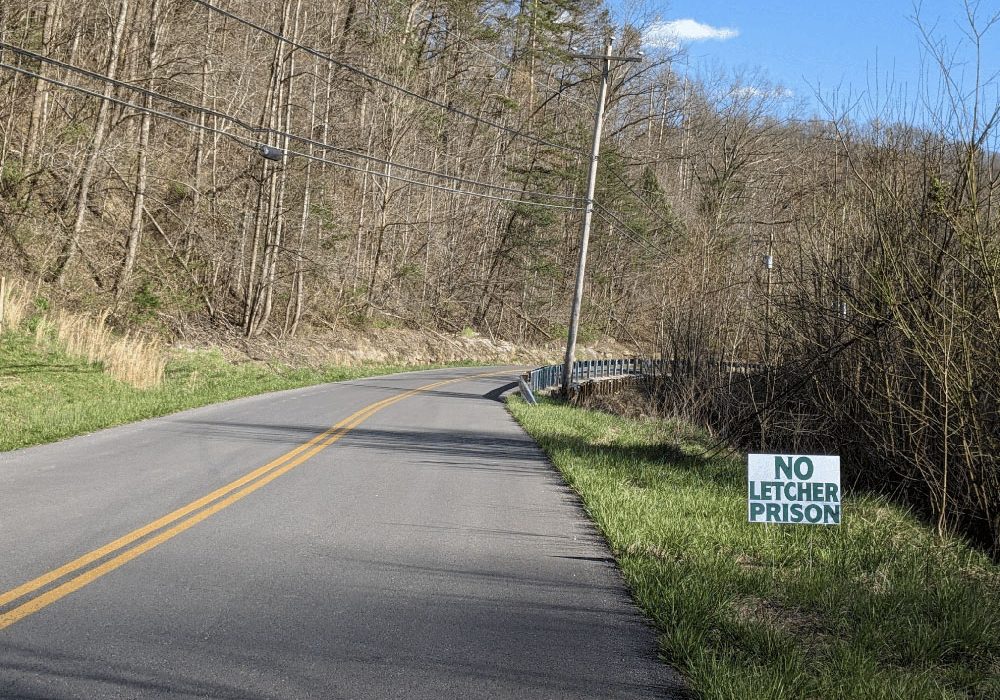
A $605 million proposal for a federal prison on a former strip mine site in Letcher County, Kentucky, championed by U.S. Rep. Hal Rogers, refuses to die, despite local opposition, a lack of support from the executive branch and numerous other obstacles.

Leave a comment
Your email address will not be published. Required fields are marked *
Leave a Comment