

When retired IT engineer Roger Beale found himself with too much time on his hands, he did what any engineer with an interest in weather would do: he built a 5-kilowatt wind turbine in the backyard of his Bedford County, Va., home.
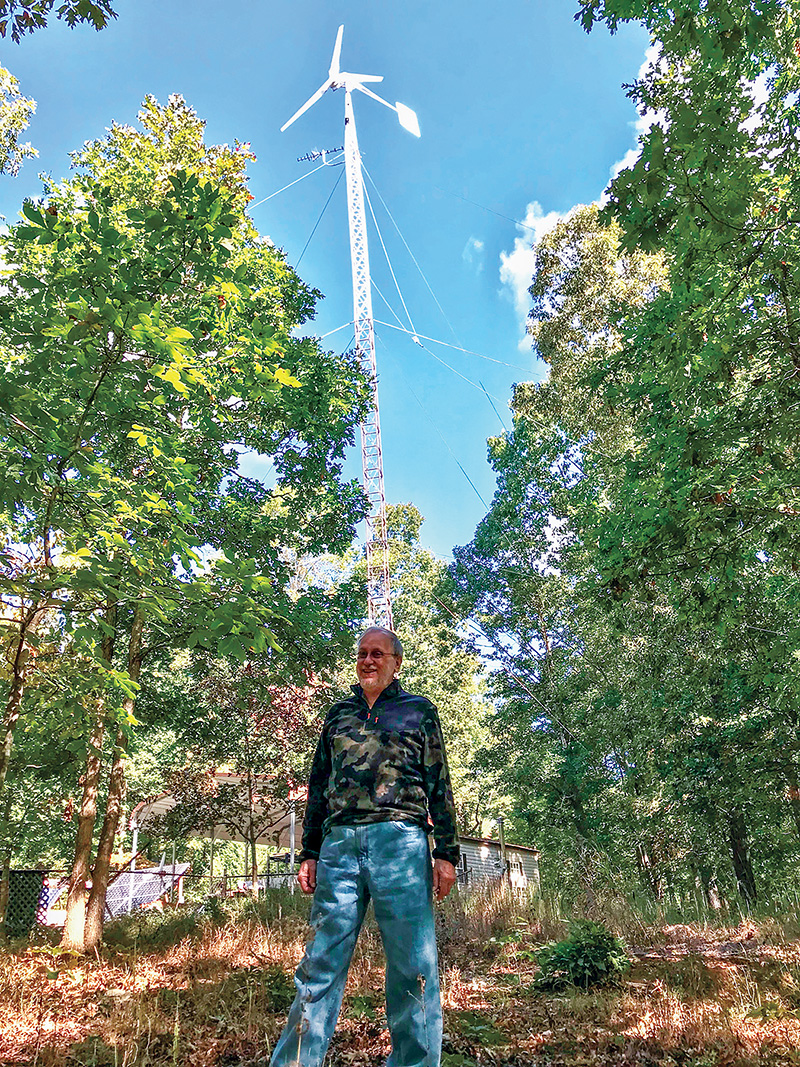
Roger Beale stands before his wind turbine in Bedford County, Va. Photo by Dan Radmacher
“I like to stay busy,” Beale says. “I enjoy building things, so I decided to build a wind turbine.”
In 2009, he started work on the five-kilowatt turbine, which has gone through several iterations. The turbine sits atop a 100-foot tower in his backyard, which Beale has rigged so he can lower the turbine for maintenance and upkeep.
“I maintain everything myself,” he says. “I designed it that way on purpose.”
In addition to the turbine, Beale has set up a four-kilowatt bank of solar panels in his backyard. Between the two, he’s cut his electric bill in half. A sophisticated control room housed in a backyard shed monitors the output and contains the converters that turn the alternating current from the turbine into direct current that charges four sets of batteries under the shed. Together, the batteries can store 325 ampere hours, which is enough to power his home’s lighting and many of his appliances for 24 hours.
Another shed contains his workshop, which looks more like a NASA control center. Two mammoth monitors dominate the space, which also contains multiple computers and other electronic gear, a pegboard filled with tools, several workbenches and a scale model turbine.
While Beale gets most passionate discussing the technical aspects of wind and solar energy, he does want to see renewable energy supplant fossil fuels as soon as possible.
“Anything we can do to move off fossil fuels is good,” he says. “We are going to see wind power coming, and solar power, too.”
Beale learned a great deal as he designed and built the turbine and the generator it powers. Lately, he’s been passing on that knowledge to middle and high school students involved in the KidWind Challenge, a national competition that involves teams of students building their own wind turbines (Read The Appalachian Voice story on the KidWind Challenge here).
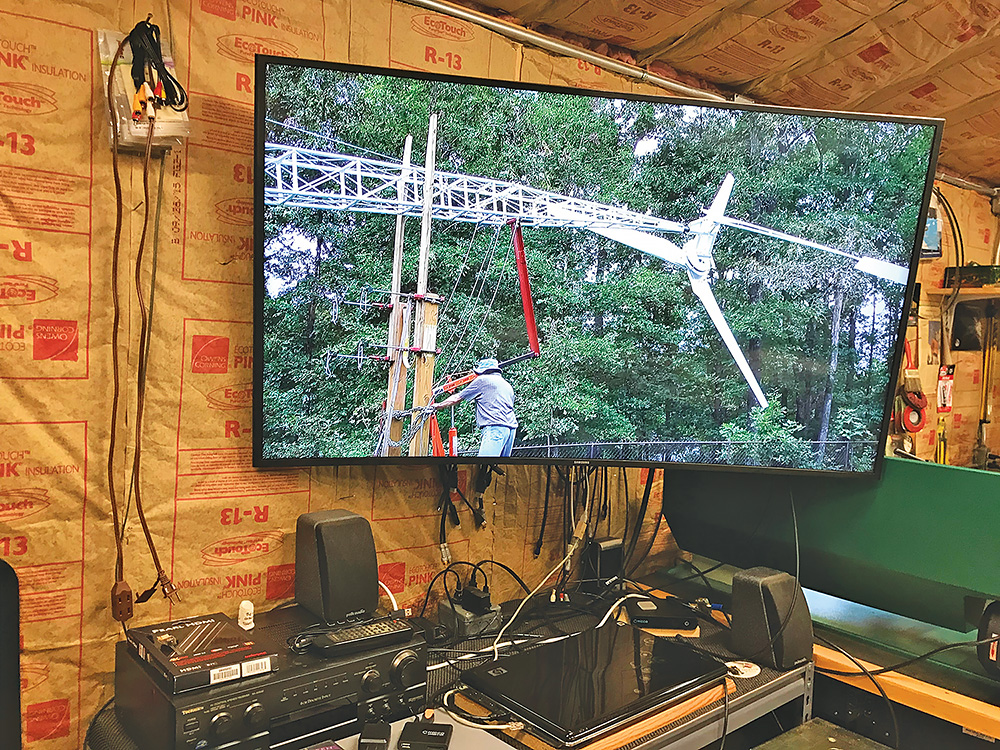
Roger Beale’s passion for renewable energy technology is evident in the sophisticated backyard control room he built to monitor his home power system. Photo by Dan Radmacher
Beale first advised Off The Grid, a team of four Lord Botetourt High School students and one James River High School student. The team went on to win the national competition in Anaheim, Calif., last May.
“I taught them about how to carve blades into genuine airfoils,” Beale says.
“They had been using flat, balsa wood blades.”
Beale also worked with the students on how to design their own generator — the unit that rotates magnets around coiled wires to actually generate current.
The Center for Wind Energy at James Madison University, which organizes the regional KidWind Challenge competitions, brought Beale in to talk to all of the teams, according to Remy Pangle, the center’s associate director and education and outreach coordinator.
“We wanted to level the playing field,” Pangle says. “We felt bad that only one team had him as an adviser. This year, we’re trying to make him a resource that’s available for everybody.”
After judges saw what a difference it made when Off The Grid built their own generator instead of using an off-the-shelf model, they added an option for teams that want to go that route.
“They decided to make it a separate competition because of this Roger issue,” Pangle says. “It’s a great thing because I love to see the kids moving on and learning something new, but we can’t have those kids competing against an 8th grader with a stock turbine.”
Beale has also been drafted as an external advisor for James Madison University’s collegiate wind competition team, which is competing against other colleges from around the nation in an event hosted by the U.S. Department of Energy in Chicago next May.
“It’s like KidWind on steroids,” Pangle says. “There’s a lot more testing, and what they’re building is a lot more sophisticated.”
Beale’s excitement about that role is palpable. He created a closed Facebook group to communicate with the students and has been peppering them with ideas and suggestions.
“I really enjoy teaching kids about renewable energy,” Beale says. “That’s what I do.”
Related Articles
Latest News
More Stories
Halloween Approaches, and Night School Is in Session
The House of Art in Bluefield, West Virginia, looks like a haunted tower, making it the perfect location for its sixth annual haunt event: Night School. The Night School will be open every Friday and Saturday night through Oct. 31.
‘The Most Perfect Act of Love’
After losing its rural pride celebration, hundreds of people attended the second annual Affirming Sumner Pride celebration on a 24-acre farm dubbed “Fruity Farm” in Bethpage, Sumner County, Tennessee.
Signs of Life
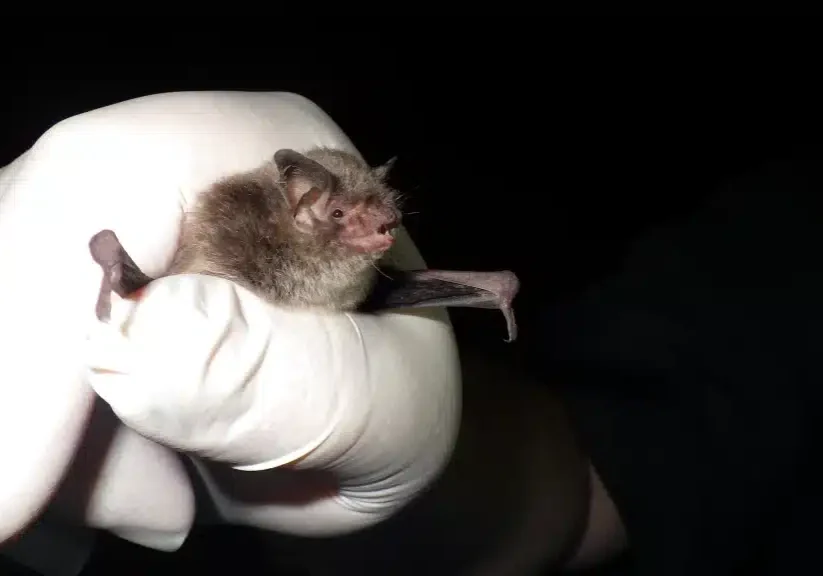
In the Nantahala National Forest, a team of biologists spotted Indiana bats, an endangered species that hasn’t been seen in North Carolina for the last 11 years.
‘First Line of Defense’
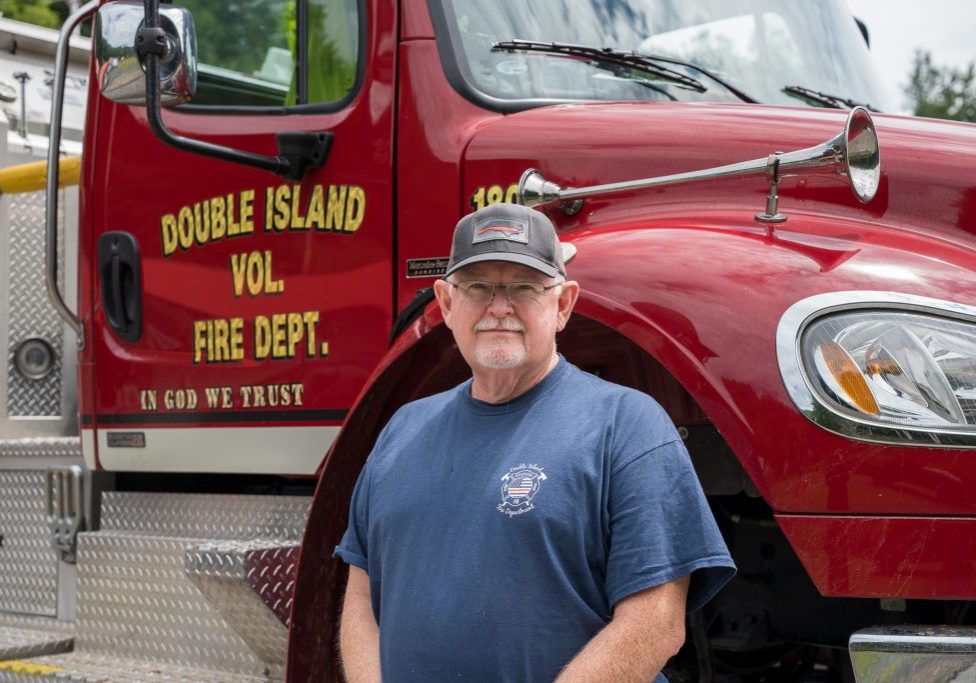
During Hurricane Helene and its aftermath, rural fire departments and other first responder hubs played critical roles in keeping their communities safe, even without power and cut off from outside support for days or weeks after the storm. Two years later, plenty of work remains to ensure these hubs have the resources they need to operate day to day and be ready when emergencies or natural disasters strike.
The Rocky Road — and Bridge — to Recovery
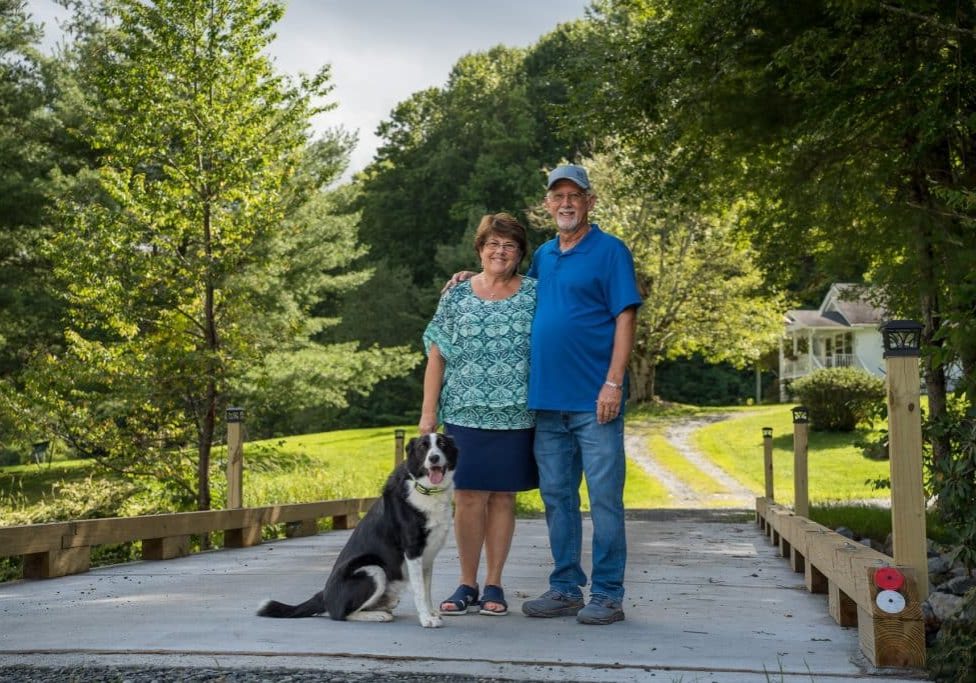
Hurricane Helene is estimated to have damaged nearly 7,000 private roads and bridges in Western North Carolina. Two years later, many restoration projects are complete, but the journey hasn’t been easy — and isn’t over for others.
After 20 Years, Letcher County Prison Proposal Is Still Alive, Though Obstacles Remain
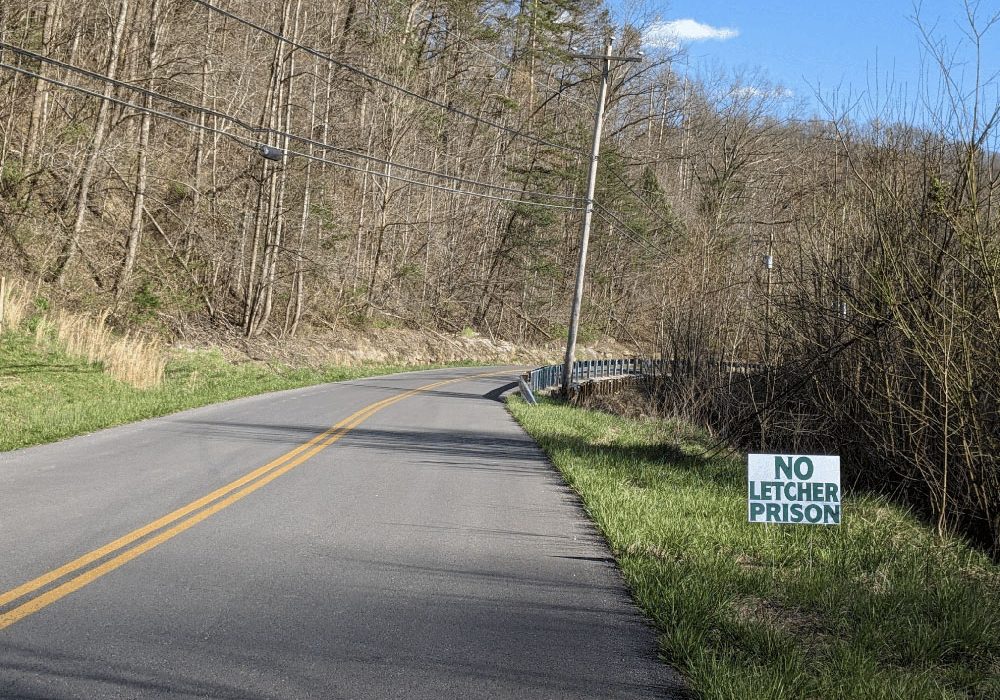
A $605 million proposal for a federal prison on a former strip mine site in Letcher County, Kentucky, championed by U.S. Rep. Hal Rogers, refuses to die, despite local opposition, a lack of support from the executive branch and numerous other obstacles.

Leave a comment
Your email address will not be published. Required fields are marked *
5 responses to “A DIY Approach to Wind Energy”
-

Impressive work by Roger Beale. Our young people are America’s future. Thank you Mr. Beale for increasing your positive impact in green energy by encouraging and working with them. Caroline Ellis
-
You are an inspiration, Roger. I hope to have the opportunity to meet you in person sometime soon.
-
The children will make their own futures with a little knowledge and guidance from people who genuinely care. It sounds as though they’re in good hands.
-
Thanks Dan.. hope you’re doing well.
Regards, Roger -
That’s awesome.


Leave a Comment