

On Oct. 11, the North Carolina Utilities Commission ordered revisions to the state’s solar energy policies. The new order lowers the rates utilities pay developers for the solar energy they produce, and it shortens the period during which the developers can recover their investment.

Photo of solar panels in Wise County, Va., by Jimmy Davidson
The federal Public Utility Regulatory Policies Act of 1978 was intended to promote conservation and renewable energy. The law requires utilities to purchase renewable energy if the rates charged match the cost the company would have incurred to produce the same amount of energy.
The new North Carolina policy lowers these costs, thus lowering the rate utilities must pay for renewable energy such as solar.
Solar advocates worry this new financial model threatens the economic viability of solar projects, but Duke Energy cheered the news.
“We feel like it generally supported our philosophy of where we should be going with solar,” Duke spokesman Randy Wheeless told the Charlotte Business Journal.
In related news, five solar developers have filed complaints against Duke Energy subsidiaries in South Carolina for acting in bad faith by offering renewable energy contracts they say are too short for the developers to attract financing for the projects.
In its response, Duke noted its obligation to purchase renewable energy under PURPA but stated that the terms it offered need not be “reasonably financeable,” according to the Charlotte Business Journal.
Related Articles
Latest News
More Stories

Signs of Life
In the Nantahala National Forest, a team of biologists spotted Indiana bats, an endangered species that hasn’t been seen in North Carolina for the last 11 years.

‘First Line of Defense’
During Hurricane Helene and its aftermath, rural fire departments and other first responder hubs played critical roles in keeping their communities safe, even without power and cut off from outside support for days or weeks after the storm. Two years later, plenty of work remains to ensure these hubs have the resources they need to operate day to day and be ready when emergencies or natural disasters strike.

The Rocky Road — and Bridge — to Recovery
Hurricane Helene is estimated to have damaged nearly 7,000 private roads and bridges in Western North Carolina. Two years later, many restoration projects are complete, but the journey hasn’t been easy — and isn’t over for others.
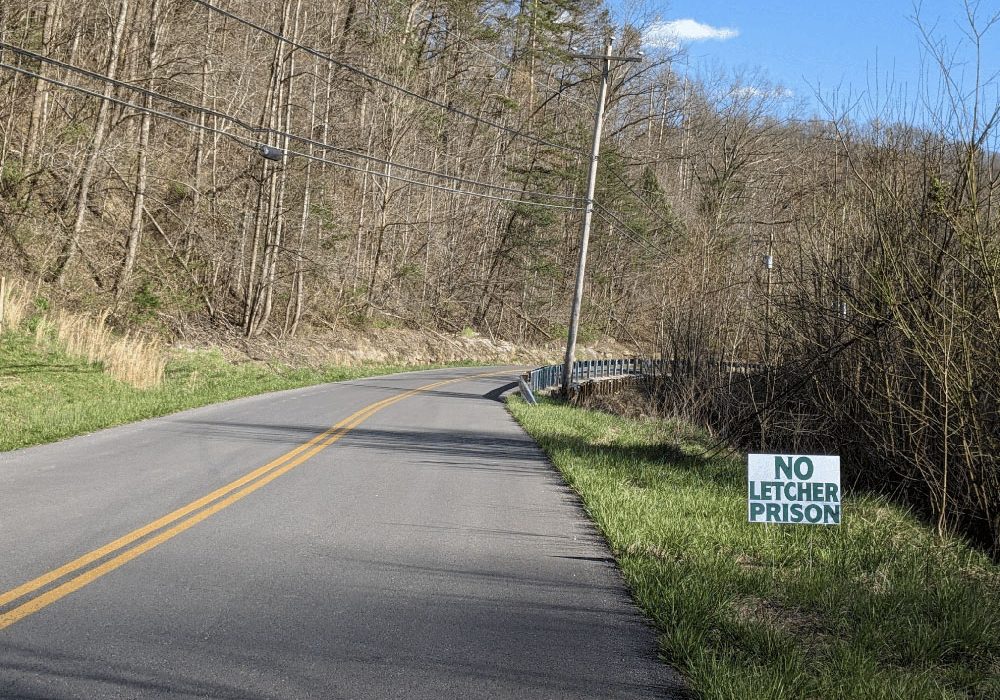
After 20 Years, Letcher County Prison Proposal Is Still Alive, Though Obstacles Remain
A $605 million proposal for a federal prison on a former strip mine site in Letcher County, Kentucky, championed by U.S. Rep. Hal Rogers, refuses to die, despite local opposition, a lack of support from the executive branch and numerous other obstacles.
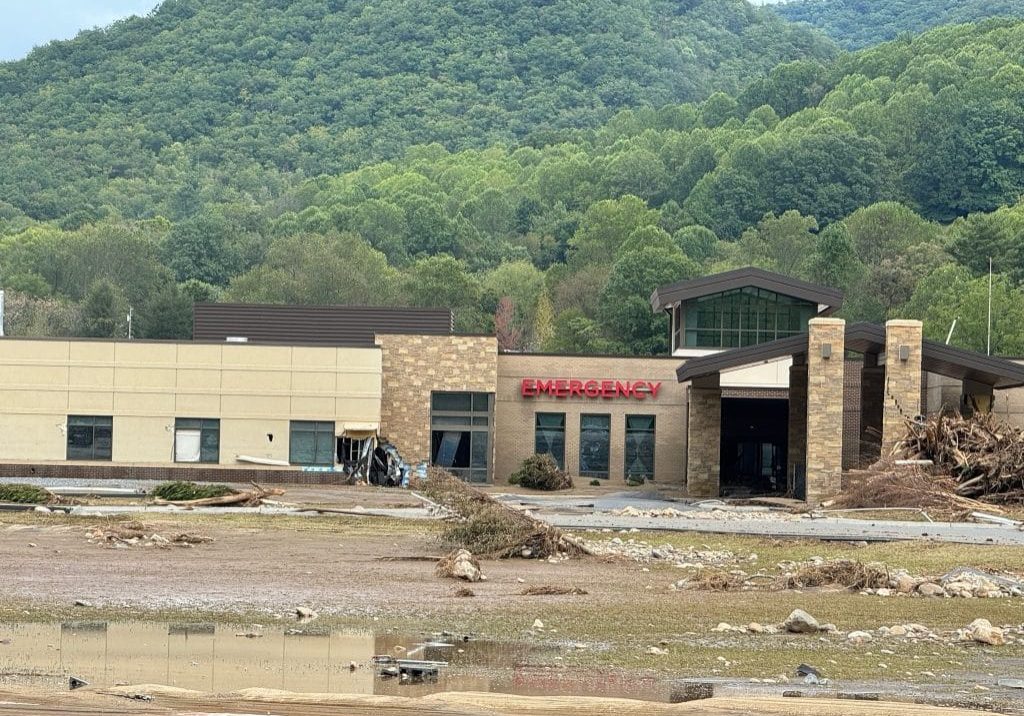
The Washout and Rebuild
For nearly two years, residents of Unicoi County, Tennessee, have had to make do without a hospital after Hurricane Helene destroyed the rural hospital. Ballad Health, which owns the hospital, broke ground on a new location — in another floodplain — in August 2026.

The Shenandoah Salamander
The Shenandoah salamander is a woodland salamander, which has adapted to life at higher elevations away from water. This sparkling rarity lives among the dry leaves, cracked logs, and stony hillocks on the highest peaks of Shenandoah National Park.

Leave a comment
Your email address will not be published. Required fields are marked *
Leave a Comment