

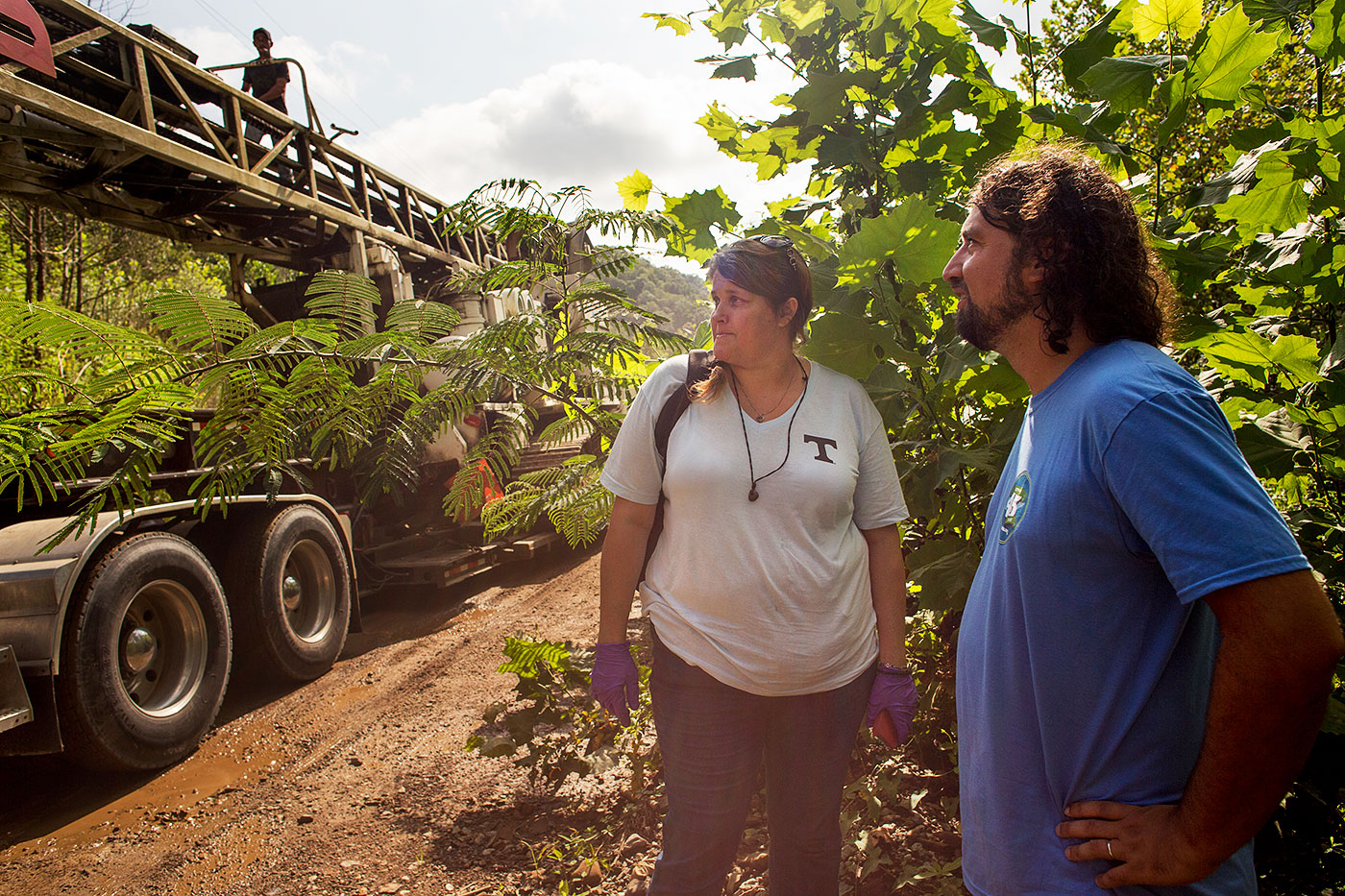
April Jarocki and Appalachian Voices’ Matt Hepler standing next to a drill rig parked next to the Hatfield Cemetery near Cooper Ridge Mine, owned by KopperGlo.
Kopper Glo Mining — a company that was issued at least 17 notices of violation over the past three years — is moving forward with a nearly 1,500-acre mountaintop removal coal mine on Cooper Ridge in Claiborne County, Tenn.
The proposed mine site lies in the Clear Fork Valley near the Tackett Creek Wildlife Management Area. The permit boundary sits a half-mile behind Clairfield Elementary School, presenting health and safety concerns for students and teachers. The mine also surrounds the historic and still-in-use Hatfield Cemetery.
Kopper Glo cleared initial regulatory hurdles this past spring. Now the company is seeking a Phase II permit required under the Clean Water Act for discharging pollutants into public waterways. The second phase allows the company to release higher levels of pollutants than allowable under the Phase I permit.
Opponents of the mine — including Appalachian Voices, the publisher of this paper — have stated that by issuing two separate phases of pollution permits, the Tennessee Department of Environment and Conservation is unable to account for the mine’s full impact. On Sept. 20, TDEC held a public hearing in Caryville, Tenn., regarding the Phase II permit. More than 20 people attended, with 14 speaking against the granting the permit and none in favor.
Tonia Brookman was among the attendees who spoke to TDEC officials. She noted that over 21 years of working in the Clairfield area, she has seen the negative impacts of logging and strip mining.
“People talk about how they once were able to collect water from the rivers and the springs but can no longer; they talk about what it was like to fish and swim in the rivers but no longer,” Brookman stated. “I have heard so many times that the land and water will be put back the way they found it or even better, but what I have seen are mountains that are no longer and the hardwood forest become scrubby pine.”
Other speakers asked regulators to consider the cumulative water quality impacts of this mine when compounded with existing and proposed mines in the Clear Fork watershed, and expressed concern about the characterisation of this operation as a “re-mining” project that would reclaim and improve previously mined areas, when only one-third of the permitted area has been impacted by older strip mines.
“All the advocates for our mountains were quite well-grounded, both morally and factually,” says Jim Steitz, who traveled from Gatlinburg, Tenn., to attend the hearing. He noted that while the economy in his area is built around mountain tourism, residents of Claiborne County were being asked to sacrifice their mountains and their health.
Related Articles
Latest News
More Stories
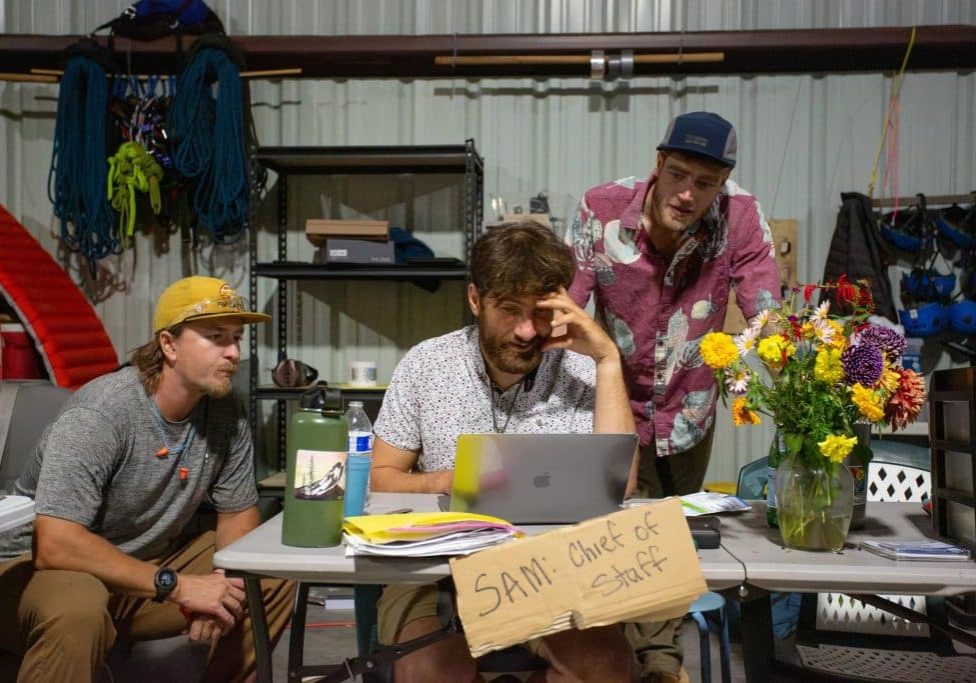
Neighbors Help Neighbors
A photo essay that celebrates the volunteer spirit of the grassroots group Hurricane Helene WNC and speaks to the resourcefulness, collaboration and hard work embodied by thousands and thousands of volunteers, first responders and aid workers across the region after Hurricane Helene.

Halloween Approaches, and Night School Is in Session
The House of Art in Bluefield, West Virginia, looks like a haunted tower, making it the perfect location for its sixth annual haunt event: Night School. The Night School will be open every Friday and Saturday night through Oct. 31.
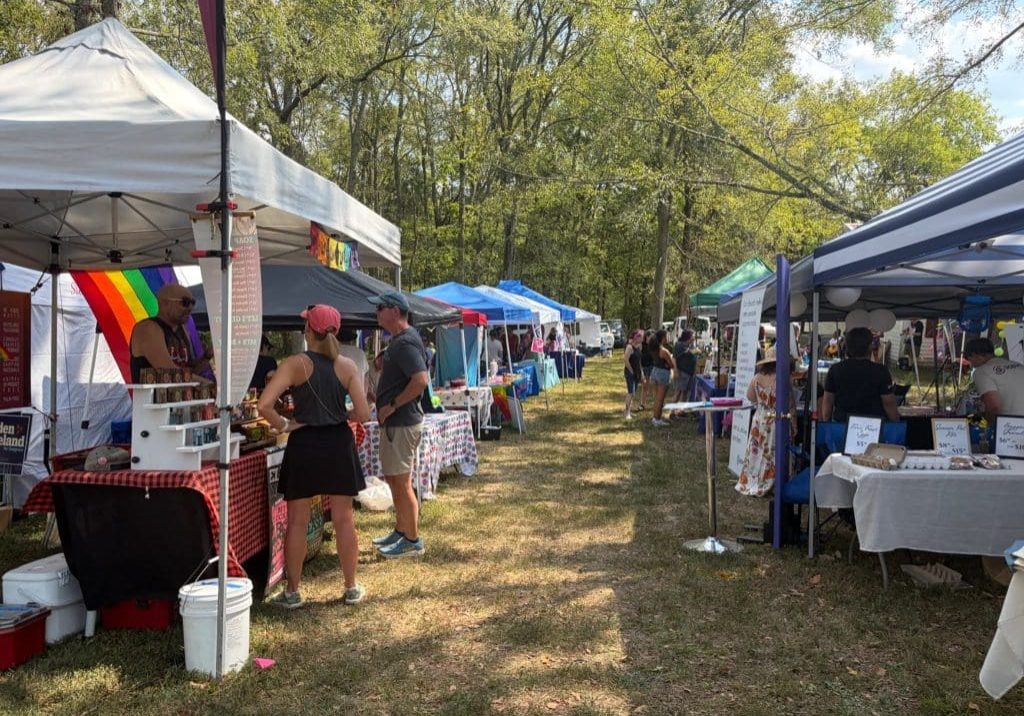
‘The Most Perfect Act of Love’
Hundreds of people attended the second annual Affirming Sumner Pride celebration on a 24-acre farm dubbed “Fruity Farm” in Bethpage, Sumner County, Tennessee.

Signs of Life
In the Nantahala National Forest, a team of biologists spotted Indiana bats, an endangered species that hasn’t been seen in North Carolina for the last 11 years.
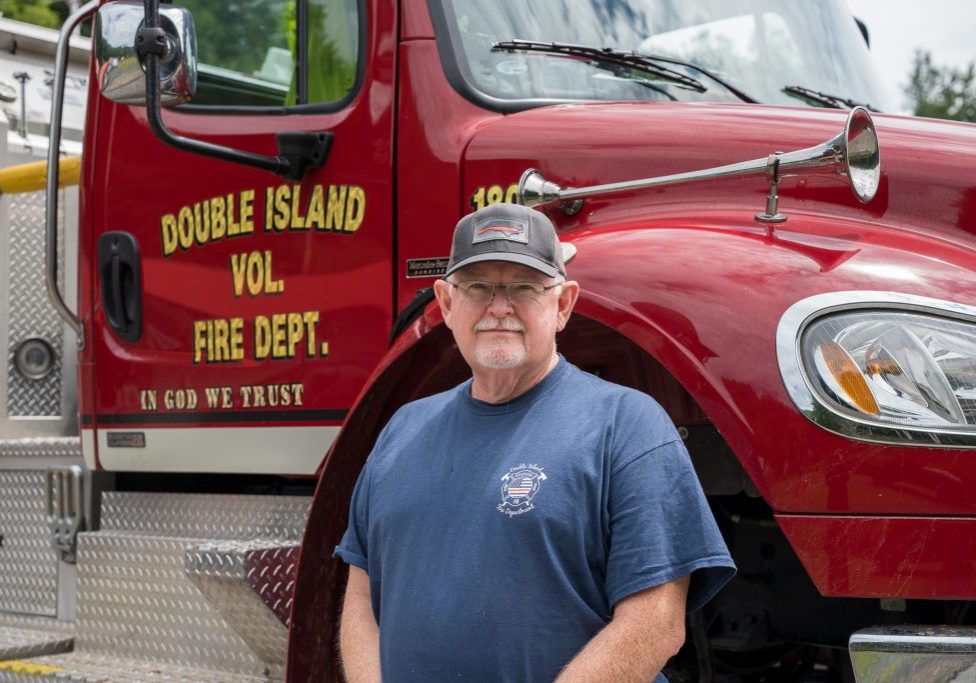
‘First Line of Defense’
During Hurricane Helene and its aftermath, rural fire departments and other first responder hubs played critical roles in keeping their communities safe, even without power and cut off from outside support for days or weeks after the storm. Two years later, plenty of work remains to ensure these hubs have the resources they need to operate day to day and be ready when emergencies or natural disasters strike.
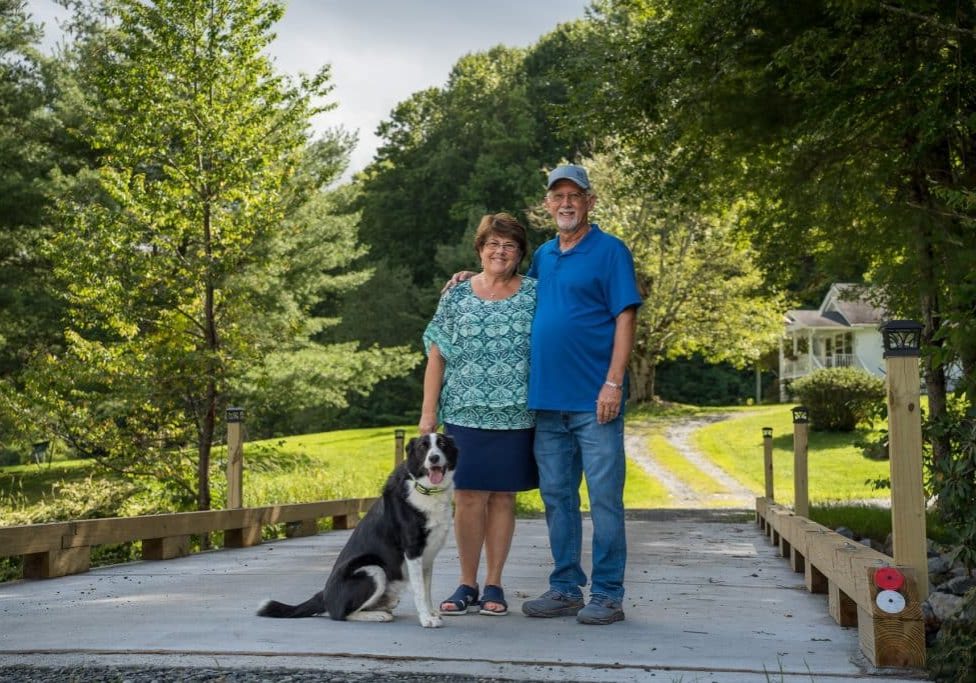
The Rocky Road — and Bridge — to Recovery
Hurricane Helene is estimated to have damaged nearly 7,000 private roads and bridges in Western North Carolina. Two years later, many restoration projects are complete, but the journey hasn’t been easy — and isn’t over for others.

Leave a comment
Your email address will not be published. Required fields are marked *
Leave a Comment