

Jobs in Solar Outnumber Coal in Virginia
A report from Virginia Public Radio says that in 2016 the number of solar jobs in the commonwealth was higher than the number of coal jobs, with 3,236 and 2,866 jobs respectively. The Virginia Department of Mines, Minerals and Energy reports that there was a 40 percent drop in coal employment over the past five years, while the Solar Foundation reports that the jobs in solar have risen by about 65 percent in the past year.
Duke Withdraws Chemical Plan
Duke Energy withdrew its request to add more chemical compounds in multiple coal-fired plants that would cause an increase in contamination and threaten drinking water in Charlotte, N.C.
The chemical compounds were intended to reduce the amount of air pollution from the plants. In 2014, bromides in the drinking water from a separate chemical used by Duke Energy caused community concerns, the Charlotte Observer reports.
Dept. of Interior Plans to Increase Oil and Gas Drilling on Federal Land
On July 6, Interior Secretary Ryan Zinke released his plan for an accelerated application process for drilling oil and gas from federal lands, where permits are to now be approved within 30 days. Some environmental groups have indicated it’s unnecessary to accelerate oil and gas permitting on public lands because so much land is already leased to drilling oil companies but is going unused, according to InsideClimate News.
Feds Look to Coal for Rare Elements
The U.S. Department of Energy announced in early July that it would invest $6.9 million to research extracting rare earth elements from coal and coal by-products. These elements are crucial for producing technology like smartphones, transportation and national defense. The United States currently imports most rare earth elements.
Related Articles
Latest News
More Stories

Signs of Life
In the Nantahala National Forest, a team of biologists spotted Indiana bats, an endangered species that hasn’t been seen in North Carolina for the last 11 years.

‘First Line of Defense’
During Hurricane Helene and its aftermath, rural fire departments and other first responder hubs played critical roles in keeping their communities safe, even without power and cut off from outside support for days or weeks after the storm. Two years later, plenty of work remains to ensure these hubs have the resources they need to operate day to day and be ready when emergencies or natural disasters strike.

The Rocky Road — and Bridge — to Recovery
Hurricane Helene is estimated to have damaged nearly 7,000 private roads and bridges in Western North Carolina. Two years later, many restoration projects are complete, but the journey hasn’t been easy — and isn’t over for others.
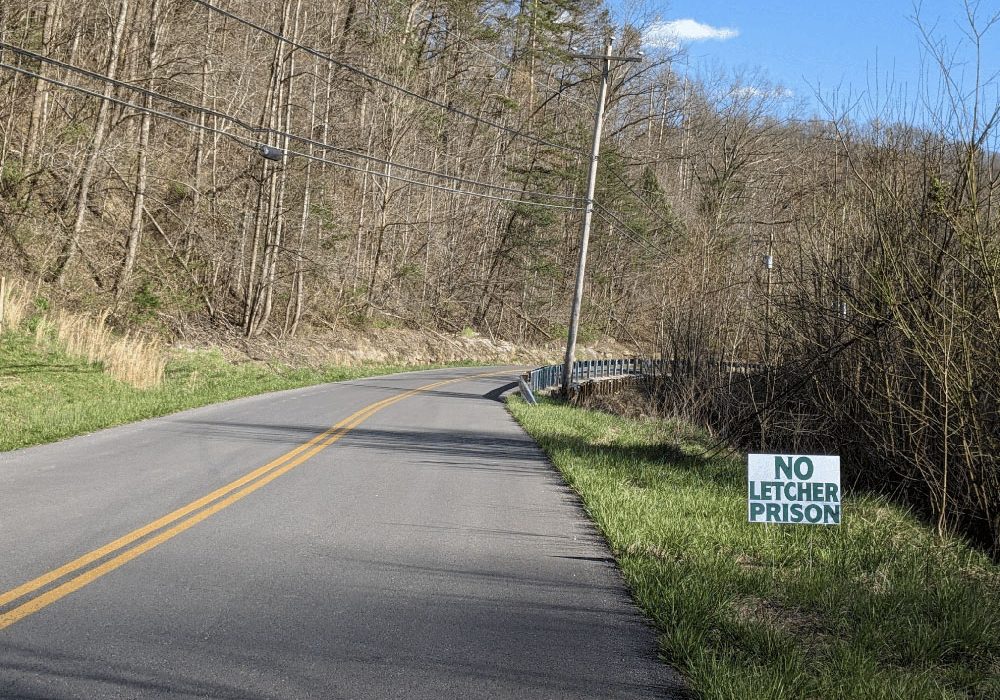
After 20 Years, Letcher County Prison Proposal Is Still Alive, Though Obstacles Remain
A $605 million proposal for a federal prison on a former strip mine site in Letcher County, Kentucky, championed by U.S. Rep. Hal Rogers, refuses to die, despite local opposition, a lack of support from the executive branch and numerous other obstacles.
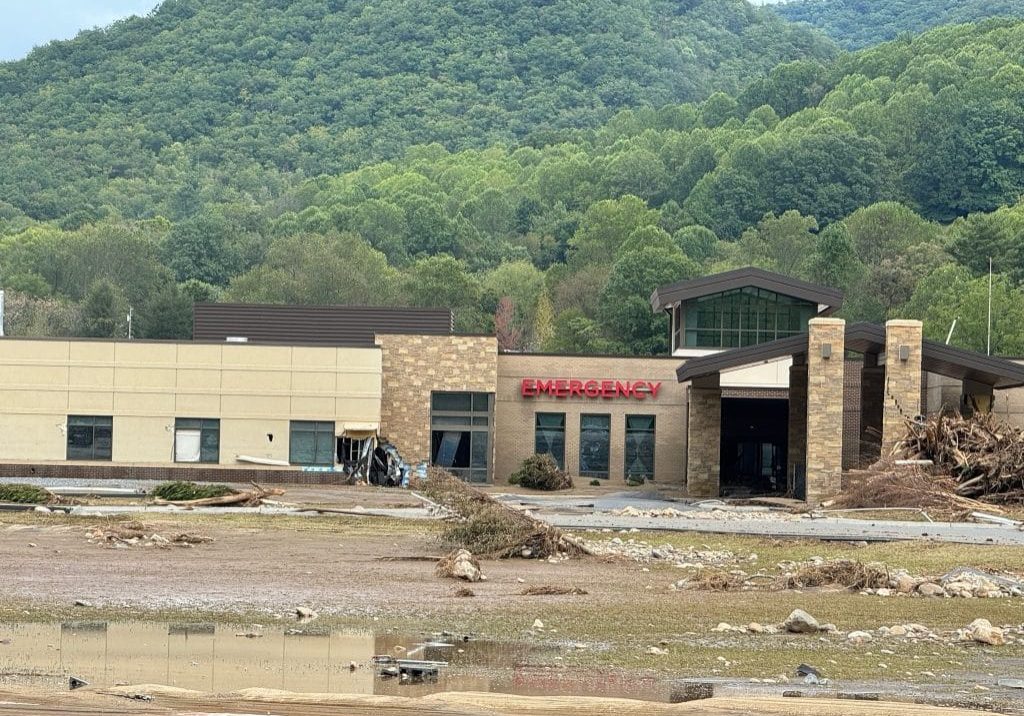
The Washout and Rebuild
For nearly two years, residents of Unicoi County, Tennessee, have had to make do without a hospital after Hurricane Helene destroyed the rural hospital. Ballad Health, which owns the hospital, broke ground on a new location — in another floodplain — in August 2026.

The Shenandoah Salamander
The Shenandoah salamander is a woodland salamander, which has adapted to life at higher elevations away from water. This sparkling rarity lives among the dry leaves, cracked logs, and stony hillocks on the highest peaks of Shenandoah National Park.

Leave a comment
Your email address will not be published. Required fields are marked *
Leave a Comment