

By Elizabeth E. Payne
On March 28, President Trump signed an executive order reversing much of the progress President Obama made towards addressing the realities of climate change. With this action, Trump ordered the U.S. Environmental Protection Agency to abandon the Clean Power Plan, reopened federal lands for coal mining and eliminated the requirement that federal agencies consider climate impacts in their decision-making.
The Clean Power Plan would have limited the carbon dioxide emissions permitted from coal-fired power plants. But the regulation was held up in court and never enacted.
Trump was surrounded by coal miners when he signed the order and said the change would put miners back to work.
But increased dependence on natural gas and mechanization of the industry, not the unenforced regulation, has led to the loss in coal jobs, according to a number of experts such as Michael E. Webber, the deputy director of the Energy Institute at the University of Texas.
Even Trump supporters doubt how much this can help. “I really don’t know how far the coal industry can be brought back,” said Robert E. Murray, chief executive of Murray Energy, after the signing.
The executive order did not comment on the United States’ commitment to the Paris climate agreement signed in August 2016. But the new steps outlined in the order made clear that the current administration has abandoned efforts to meet those emission reduction targets.
The Paris agreement set a goal for keeping the rise in global temperatures well below 2 degrees Celsius, the level at which some of the most disastrous impacts of climate change would take effect.
Related Articles
Latest News
More Stories

Halloween Approaches, and Night School Is in Session
The House of Art in Bluefield, West Virginia, looks like a haunted tower, making it the perfect location for its sixth annual haunt event: Night School. The Night School will be open every Friday and Saturday night through Oct. 31.

‘The Most Perfect Act of Love’
After losing its rural pride celebration, hundreds of people attended the second annual Affirming Sumner Pride celebration on a 24-acre farm dubbed “Fruity Farm” in Bethpage, Sumner County, Tennessee.

Signs of Life
In the Nantahala National Forest, a team of biologists spotted Indiana bats, an endangered species that hasn’t been seen in North Carolina for the last 11 years.

‘First Line of Defense’
During Hurricane Helene and its aftermath, rural fire departments and other first responder hubs played critical roles in keeping their communities safe, even without power and cut off from outside support for days or weeks after the storm. Two years later, plenty of work remains to ensure these hubs have the resources they need to operate day to day and be ready when emergencies or natural disasters strike.

The Rocky Road — and Bridge — to Recovery
Hurricane Helene is estimated to have damaged nearly 7,000 private roads and bridges in Western North Carolina. Two years later, many restoration projects are complete, but the journey hasn’t been easy — and isn’t over for others.
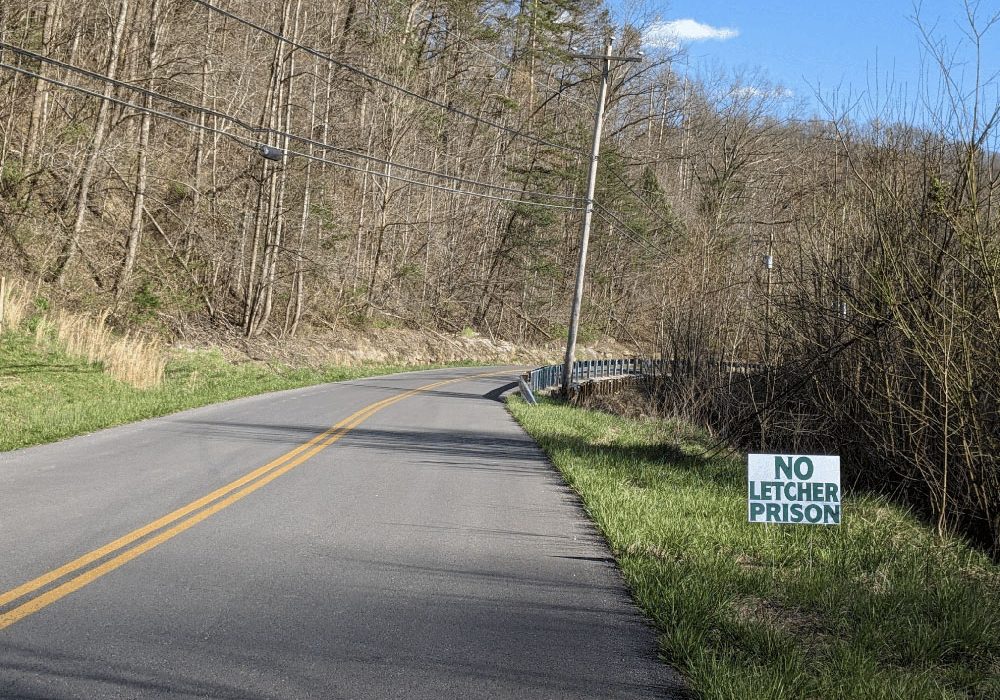
After 20 Years, Letcher County Prison Proposal Is Still Alive, Though Obstacles Remain
A $605 million proposal for a federal prison on a former strip mine site in Letcher County, Kentucky, championed by U.S. Rep. Hal Rogers, refuses to die, despite local opposition, a lack of support from the executive branch and numerous other obstacles.

Leave a comment
Your email address will not be published. Required fields are marked *
Leave a Comment