

Ralph Stanley, legendary bluegrass pioneer, died at his home in Sandy Ridge, Va., in June after a battle with skin cancer.
Ralph Stanley began performing music with his brother Carter in 1946 with their band The Clinch Mountain Boys. The band became a centerpiece of the bluegrass movement of the ‘50s and ‘60s by performing original hits and covers of traditional songs like “Man of Constant Sorrow.”
Over the next five decades, Ralph Stanley played banjo and sang with his unmistakable mountain style. He was awarded an honorary doctorate from Lincoln Memorial University in 1976, joined the Grand Ole Opry in 2000, and won a Grammy Award in 2002. After contributing to the soundtrack for “O, Brother Where Art Thou” in 2000, the power of his music was recognized by a new generation of listeners.
— Savannah Clemmons
Related Articles
Latest News
More Stories
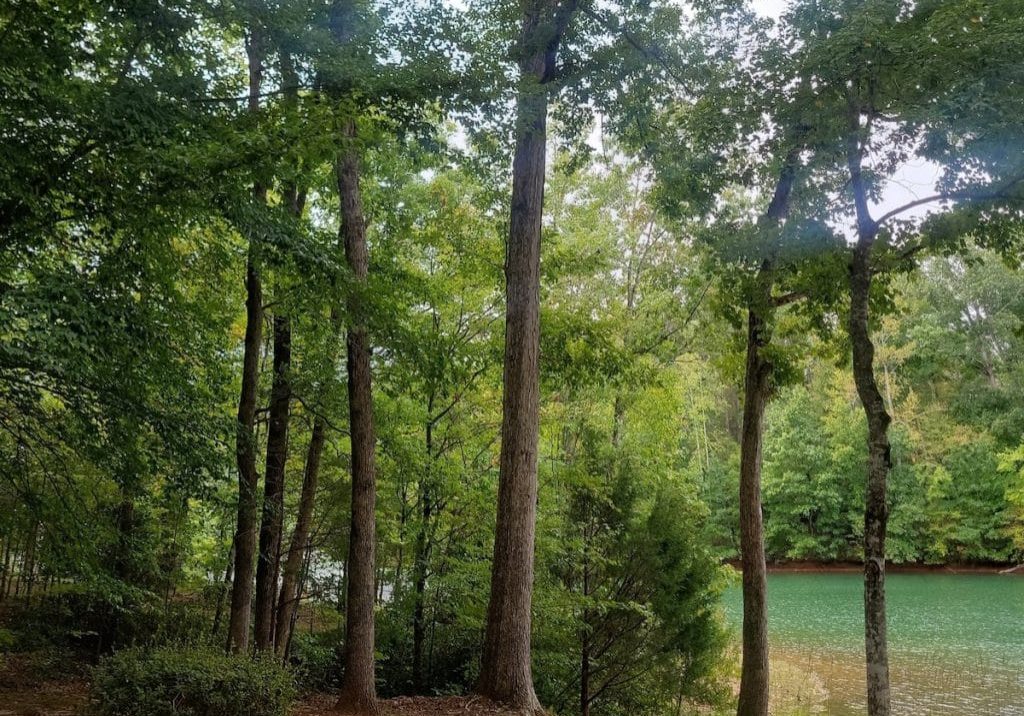
Planting for the Grandkids
Gardening from memory is getting trickier in Appalachia as hardiness zones change. Some areas, like parts of Asheville, Knoxville and Johnson City, have shifted full hardiness zones since 1990. An arborist explains what this shift means for the trees you plant this fall, and for the grandchildren who’ll live with them.

Ridgeline Pipeline Construction Impacts in Rural East Tennessee
Neighbors share concerns about noise, unpredictable construction schedules and other disruptions due to methane gas pipeline construction in East Tennessee.

Neighbors Help Neighbors
A photo essay that celebrates the volunteer spirit of the grassroots group Hurricane Helene WNC and speaks to the resourcefulness, collaboration and hard work embodied by thousands and thousands of volunteers, first responders and aid workers across the region after Hurricane Helene.

Halloween Approaches, and Night School Is in Session
The House of Art in Bluefield, West Virginia, looks like a haunted tower, making it the perfect location for its sixth annual haunt event: Night School. The Night School will be open every Friday and Saturday night through Oct. 31.

‘The Most Perfect Act of Love’
Hundreds of people attended the second annual Affirming Sumner Pride celebration on a 24-acre farm dubbed “Fruity Farm” in Bethpage, Sumner County, Tennessee.

Signs of Life: Endangered Bats Found in Nantahala for First Time in More Than a Decade
In the Nantahala National Forest, a team of biologists spotted Indiana bats, an endangered species that hasn’t been seen in North Carolina for the last 11 years.

Leave a comment
Your email address will not be published. Required fields are marked *
Leave a Comment