

Don Blankenship sentenced
Following his conviction in federal court for conspiring to violate mine safety laws, the former CEO of Massey Energy was sentenced in April to one year in prison and a $250,000 fine, the strictest penalties the court was able to impose.
While Blankenship’s lawyers claimed that probation would be punishment enough, Assistant U.S. Attorney Steve Ruby told the judge that “If ever a case cried out for the maximum sentence, this is it.”
The historic sentence was announced a day after the sixth anniversary of the Upper Big Branch mine explosion in West Virginia that killed 29 miners and led to a federal investigation, civil penalties and the criminal convictions of four other Massey officials.
Family members of Upper Big Branch victims welcomed the news, including Judy Jones Peterson, who lost her brother and who described Blankenship’s courtroom apology as “too little, too late.” — Brian Sewell
Read more about the sentencing on our Front Porch Blog.
U.S. using less energy, global carbon emissions hold steady
Total electricity sales decreased last year in the United States, according to the Energy Information Administration. The agency lists energy efficiency, whether through market-driven improvements or government standards, as a significant factor in lessened electricity demand despite growth in the number of households and commercial buildings.
The International Energy Agency announced that for the second year in a row, carbon dioxide emissions from worldwide energy use did not rise with economic growth, but rather stayed relatively flat while the global economy grew. This breaks a relationship that had long been shown to be positively correlated. — Eliza Laubach
Atlantic Ocean spared from oil drilling
The Obama administration released its five-year plan for offshore oil drilling in March, announcing potential leases along the Gulf and Alaskan coasts but not the Atlantic Coast. The Department of Interior had proposed leasing a swath of the Atlantic coast, from Virginia through Georgia.
“When you factor in conflicts with national defense, economic activities such as fishing and tourism, and opposition from many local communities, it simply doesn’t make sense to move forward with any lease sales [in the Atlantic] in the coming five years,” said Secretary of the Interior Sally Jewell in a press release. — Eliza Laubach
West Virginia bill shields businesses from citizen suits
Landowner rights groups and environmentalists say legislation passed by the West Virginia Senate would shield the oil and gas industry from “public nuisance” lawsuits filed by citizens due to lost property values or other negative impacts. Although the bill never passed the state House of Delegates, opponents worry that legislation to strip landowners rights and protect industry is likely to reappear during the next legislative session. — Brian Sewell
New research reveals mountaintop removal impacts on landscape
In the region of southern West Virginia where mountaintop removal occurs, the land is 40 percent flatter than it was forty years ago, a Duke University study shows. Published in January in Environmental Science and Technology, the study compared topographic data and assessed how changes in the landscape affect water quality. The scientists found a correlation between the total volume of displaced rock and concentration of pollutants. — Eliza Laubach
Related Articles
Latest News
More Stories

Halloween Approaches, and Night School Is in Session
The House of Art in Bluefield, West Virginia, looks like a haunted tower, making it the perfect location for its sixth annual haunt event: Night School. The Night School will be open every Friday and Saturday night through Oct. 31.
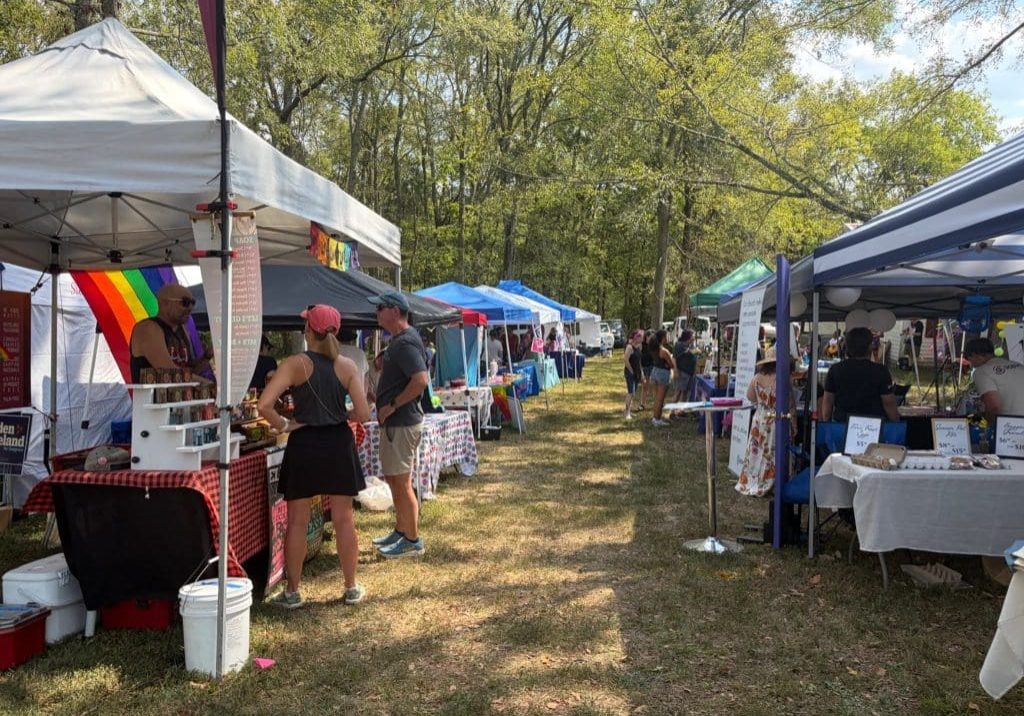
‘The Most Perfect Act of Love’
After losing its rural pride celebration, hundreds of people attended the second annual Affirming Sumner Pride celebration on a 24-acre farm dubbed “Fruity Farm” in Bethpage, Sumner County, Tennessee.

Signs of Life
In the Nantahala National Forest, a team of biologists spotted Indiana bats, an endangered species that hasn’t been seen in North Carolina for the last 11 years.
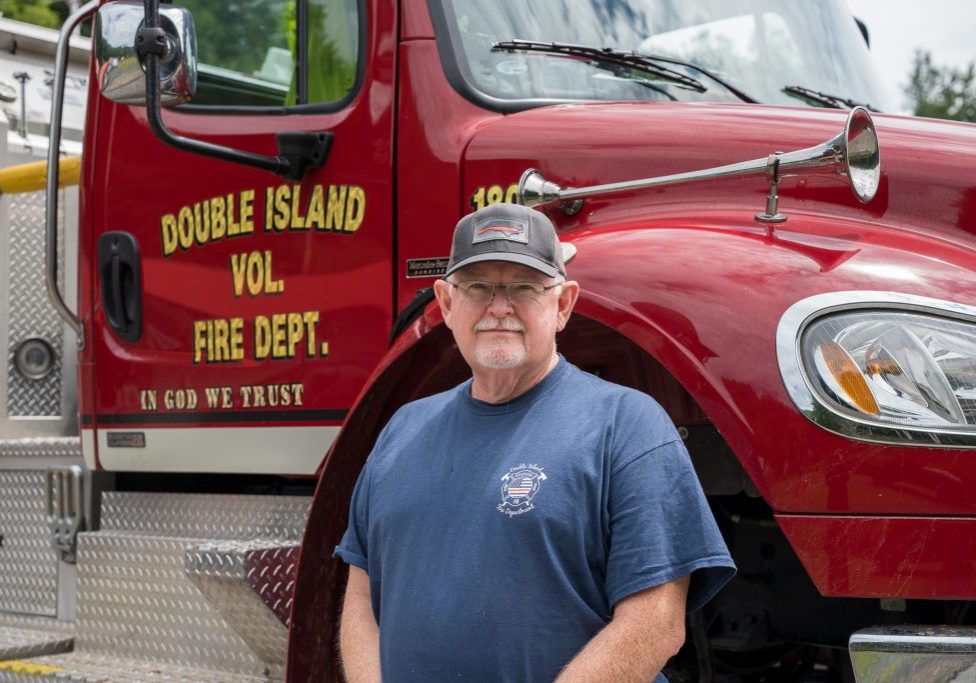
‘First Line of Defense’
During Hurricane Helene and its aftermath, rural fire departments and other first responder hubs played critical roles in keeping their communities safe, even without power and cut off from outside support for days or weeks after the storm. Two years later, plenty of work remains to ensure these hubs have the resources they need to operate day to day and be ready when emergencies or natural disasters strike.
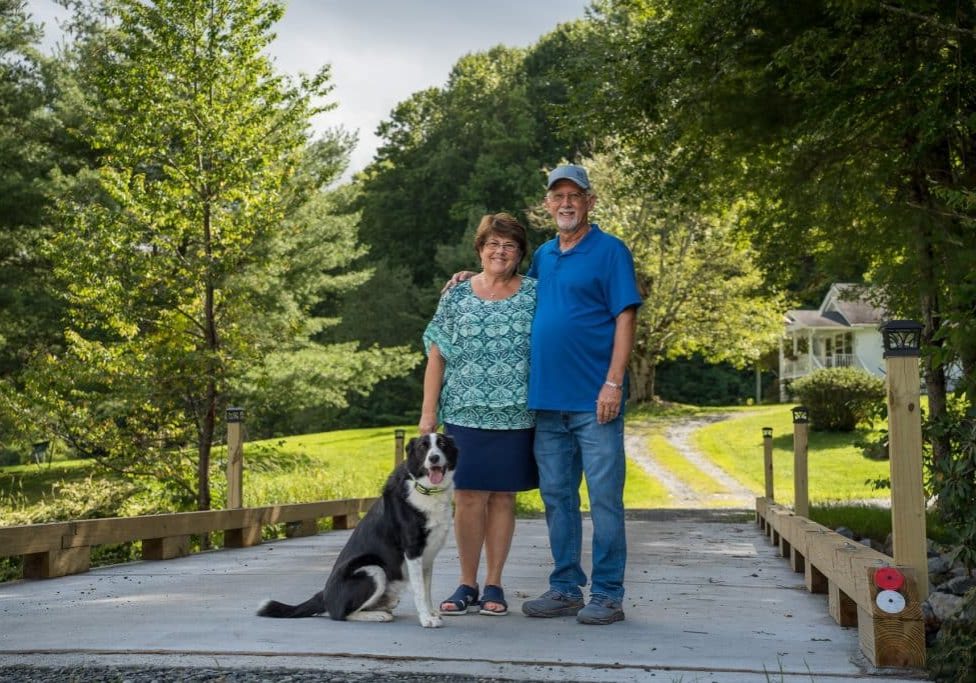
The Rocky Road — and Bridge — to Recovery
Hurricane Helene is estimated to have damaged nearly 7,000 private roads and bridges in Western North Carolina. Two years later, many restoration projects are complete, but the journey hasn’t been easy — and isn’t over for others.
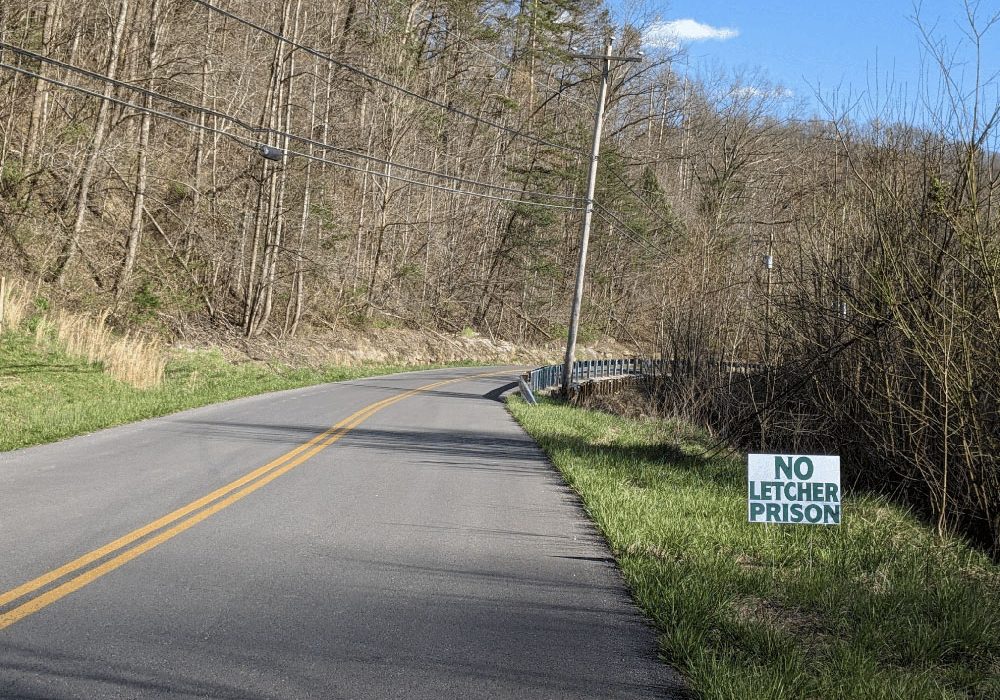
After 20 Years, Letcher County Prison Proposal Is Still Alive, Though Obstacles Remain
A $605 million proposal for a federal prison on a former strip mine site in Letcher County, Kentucky, championed by U.S. Rep. Hal Rogers, refuses to die, despite local opposition, a lack of support from the executive branch and numerous other obstacles.

Leave a comment
Your email address will not be published. Required fields are marked *
Leave a Comment