

By Elizabeth E. Payne
Cherokee is one of the most difficult languages to learn, according to Barbara Duncan, the education director at the Museum of the Cherokee Indian in Cherokee, N.C. But a new language program — “Your Grandmother’s Cherokee” — is changing that.
The program results from the insights of John Standingdeer, Jr., a member of the Eastern Band of Cherokee Indians. He told the Asheville Citizen-Times that he did not grow up speaking Cherokee and found learning it hard.
According to Duncan, long Cherokee words contain as much information as an English sentence. But then Standingdeer discovered patterns within the words, patterns which Duncan says are “like a math equation.”
Since 2006, Standingdeer and Duncan — with computer-programing help from Duncan’s sister — have spent their free time developing the language program. In October 2015, their method was granted a U.S. patent.
“Your Grandmother’s Cherokee” teaches the language not by memorizing the complicated words, but by recognizing the patterns within them, making Cherokee easier to understand and use.
Duncan estimates that only 200 of the 15,000 members of the Eastern Band grew up speaking their tribal language, and all are over 55 years old. She feels an urgency to study this endangered language, which she stresses is “the original language of the Appalachians.”
A symposium will be held May 29 to June 2 at the University of North Carolina, Asheville, to explore using Standingdeer and Duncan’s method to preserve and teach other indigenous North American languages.
The program currently offers an online dictionary and two levels of coursework, with two additional levels expected soon. For more information visit yourgrandmotherscherokee.com
Related Articles
Latest News
More Stories
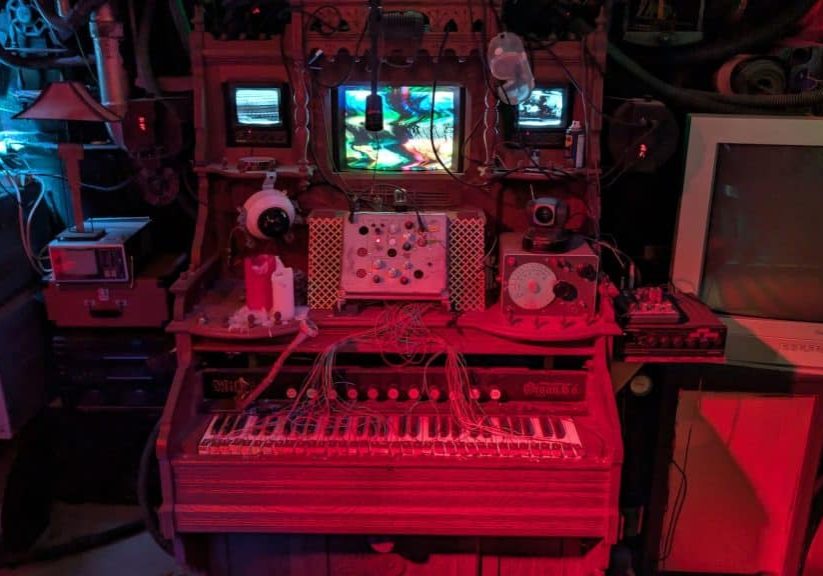
Halloween Approaches, and Night School Is in Session
The House of Art in Bluefield, West Virginia, looks like a haunted tower, making it the perfect location for its sixth annual haunt event: Night School. The Night School will be open every Friday and Saturday night through Oct. 31.
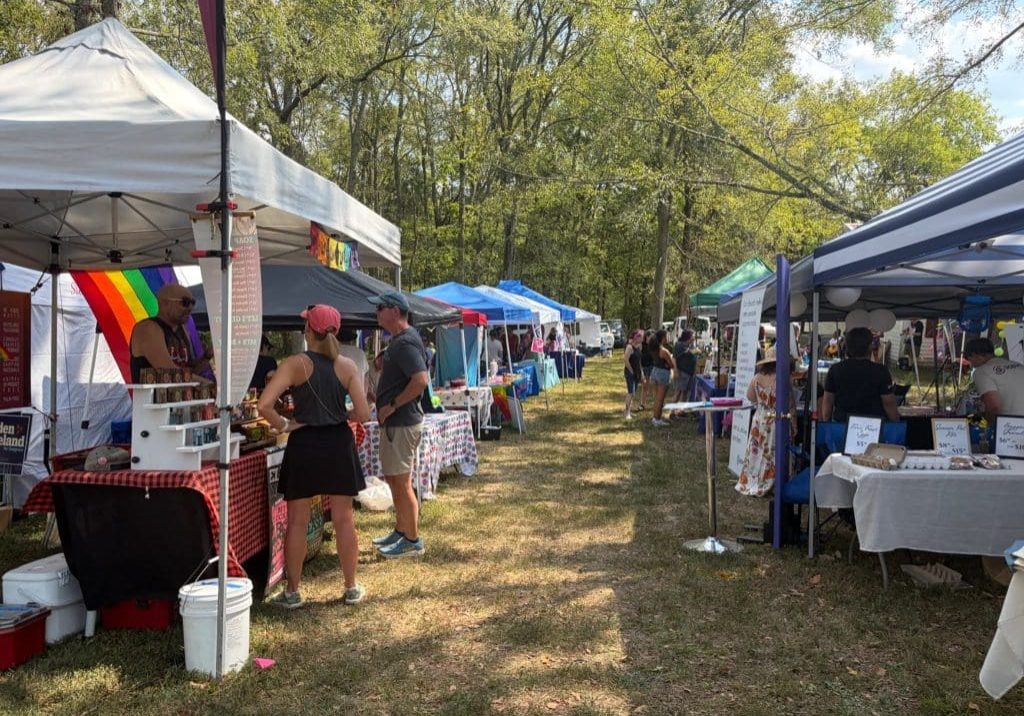
‘The Most Perfect Act of Love’
After losing its rural pride celebration, hundreds of people attended the second annual Affirming Sumner Pride celebration on a 24-acre farm dubbed “Fruity Farm” in Bethpage, Sumner County, Tennessee.
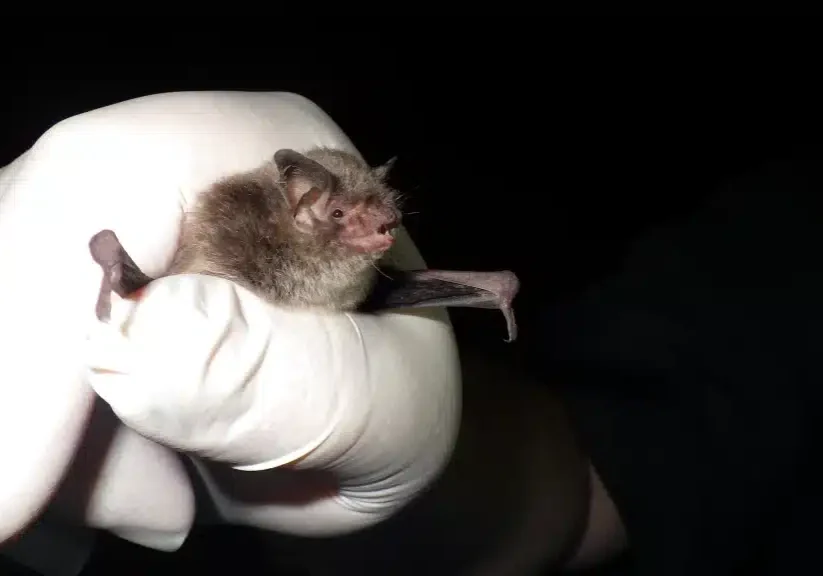
Signs of Life
In the Nantahala National Forest, a team of biologists spotted Indiana bats, an endangered species that hasn’t been seen in North Carolina for the last 11 years.

‘First Line of Defense’
During Hurricane Helene and its aftermath, rural fire departments and other first responder hubs played critical roles in keeping their communities safe, even without power and cut off from outside support for days or weeks after the storm. Two years later, plenty of work remains to ensure these hubs have the resources they need to operate day to day and be ready when emergencies or natural disasters strike.

The Rocky Road — and Bridge — to Recovery
Hurricane Helene is estimated to have damaged nearly 7,000 private roads and bridges in Western North Carolina. Two years later, many restoration projects are complete, but the journey hasn’t been easy — and isn’t over for others.
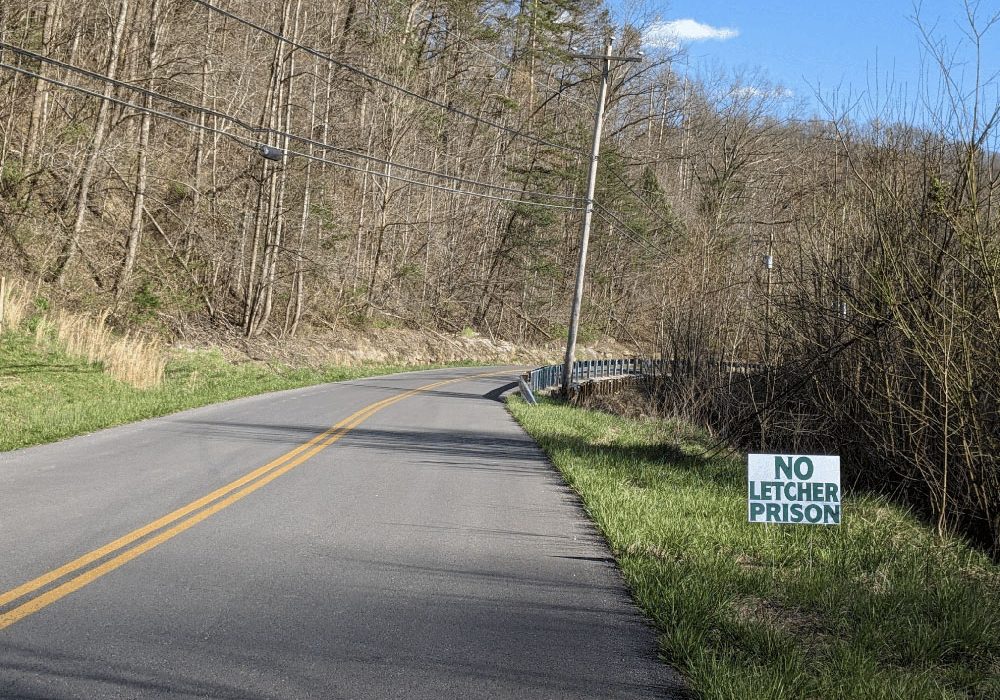
After 20 Years, Letcher County Prison Proposal Is Still Alive, Though Obstacles Remain
A $605 million proposal for a federal prison on a former strip mine site in Letcher County, Kentucky, championed by U.S. Rep. Hal Rogers, refuses to die, despite local opposition, a lack of support from the executive branch and numerous other obstacles.

Leave a comment
Your email address will not be published. Required fields are marked *
6 responses to “New Program Makes Learning Cherokee Easier”
-

Much heartfelt gratitude to those who dedicated their time and efforts to develop this- what a great initiative! Thank you!
-
This is such an exciting initiative! I’m thrilled to see more resources being developed to help preserve and promote the Cherokee language. Making it easier to learn will not only benefit individuals but also strengthen the cultural ties within the community. Kudos to everyone involved in this program!
-
This is such an exciting initiative! Learning Cherokee is vital for preserving the culture and language. I’m eager to see how this program will engage both new learners and those looking to deepen their understanding. Thank you for sharing this important update!
-
Where do we find the Cherokee Tsalagi translator?
-
I’m very big gifted in learning languages this would be my biggest challenge in my life as far as learning another language I used to languages without any books just listening to songs and music I speak three fluent languages Polish American English and german I speak a little bit of Spanish but I decided that I would love to learn Native American language since I live on this Land that belongs to them and always Did and it always will !!!!
-
A language cannot be saved by singing a few songs or having a word printed on a postage stamp(or poster). It cannot even be saved by getting ‘official status’ for it, or getting it taught in schools. It is saved by its use(no matter how imperfect) by its introduction into every walk of life and at every conceivable opportunity until it becomes a natural thing, or no longer laboured or false. It means, in short, a period of struggle and hardship. There is no easy route to the restoration of a language(Lakotiyapi kin el opa).
Blihe ic’iya yo!
I think it applies to all native languages.


Leave a Comment