

By Brian Sewell
The legal assault on the U.S. Environmental Protection Agency’s Clean Power Plan began long before Oct. 23, when it was published in the Federal Register. But that day, states and industry groups were able to officially challenge the rules, which are aimed at limiting carbon pollution from coal plants and boosting cleaner energy sources.
Within a day, more than 15 separate cases were filed, making the Clean Power Plan the most litigated environmental regulation in history, according to E&E Publishing. Appalachian states including Georgia, North Carolina, Kentucky and Ohio signed onto a lawsuit led by West Virginia Attorney General Patrick Morrisey that includes 20 other states.
Attorneys general and agency officials fighting the EPA, however, may not have the public on their side. A poll released in November by the Yale Project on Climate Change Communication found that a majority of residents in every state except West Virginia, North Dakota and Montana believe there should be strict limits on carbon dioxide emissions from coal plants.
Virginia and Maryland are among a group of 18 states intervening in the case to defend the Clean Power Plan.
Describing his reasons for supporting the EPA, Virginia Attorney General Mark Herring told reporters that policies to address climate change and invest in renewable energy are “exactly the kind of shot in the arm that we need to grow a real, vibrant clean-energy economy here in Virginia.”
The fight over the Clean Power Plan’s future is expected to last years, especially if the case reaches the U.S. Supreme Court. In the meantime, states are carefully considering their approaches to compliance.
The N.C. Department of Environmental Quality quickly crafted a plan focused entirely on improving power plant efficiency — the only component of the Clean Power Plan the state agency considers to be legal. Experts say that approach could easily backfire, leaving North Carolina with less control over its carbon-reduction efforts.
“If the EPA successfully defends the [legal] challenge and the EPA denies DEQ’s plan, it can impose a federal plan it is developing without the states,” Jonas Monast of Duke University’s Nicholas Institute for Environmental Policy Solutions told the Charlotte Business Journal.
Kentucky could also be assigned a federal plan if incoming Gov. Matt Bevin keeps his campaign promise to rebuke the EPA. Due to Bevin’s refusal to even develop a compliance plan, the group Kentuckians For The Commonwealth has pledged to create its own.
“They are turning their backs, again, on our opportunity and Kentucky’s future,” the group wrote on the website for the project, Empower Kentucky. “If the politicians won’t do it, it’s up to us.”
Related Articles
Latest News
More Stories

Halloween Approaches, and Night School Is in Session
The House of Art in Bluefield, West Virginia, looks like a haunted tower, making it the perfect location for its sixth annual haunt event: Night School. The Night School will be open every Friday and Saturday night through Oct. 31.

‘The Most Perfect Act of Love’
After losing its rural pride celebration, hundreds of people attended the second annual Affirming Sumner Pride celebration on a 24-acre farm dubbed “Fruity Farm” in Bethpage, Sumner County, Tennessee.

Signs of Life
In the Nantahala National Forest, a team of biologists spotted Indiana bats, an endangered species that hasn’t been seen in North Carolina for the last 11 years.

‘First Line of Defense’
During Hurricane Helene and its aftermath, rural fire departments and other first responder hubs played critical roles in keeping their communities safe, even without power and cut off from outside support for days or weeks after the storm. Two years later, plenty of work remains to ensure these hubs have the resources they need to operate day to day and be ready when emergencies or natural disasters strike.

The Rocky Road — and Bridge — to Recovery
Hurricane Helene is estimated to have damaged nearly 7,000 private roads and bridges in Western North Carolina. Two years later, many restoration projects are complete, but the journey hasn’t been easy — and isn’t over for others.
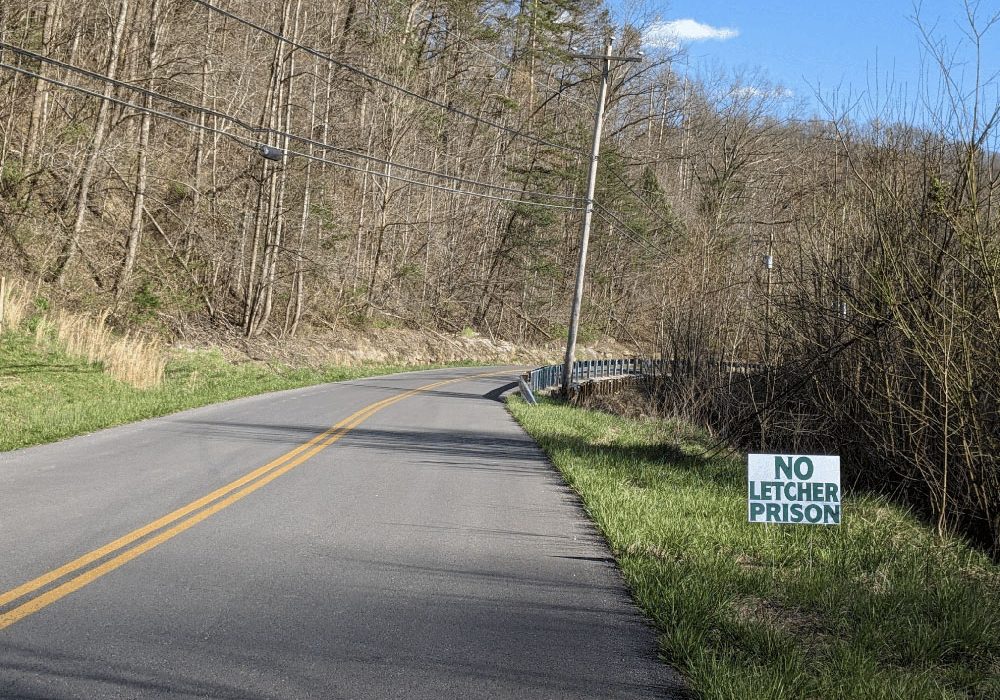
After 20 Years, Letcher County Prison Proposal Is Still Alive, Though Obstacles Remain
A $605 million proposal for a federal prison on a former strip mine site in Letcher County, Kentucky, championed by U.S. Rep. Hal Rogers, refuses to die, despite local opposition, a lack of support from the executive branch and numerous other obstacles.

Leave a comment
Your email address will not be published. Required fields are marked *
Leave a Comment