

The U.S. Nuclear Regulatory Commission announced that it has canceled a pilot study of the cancer risks associated with living near seven nuclear sites across the country due to budgetary constraints and lack of need. Facilities are monitored and any releases of radiation “are too small to cause observable increases in cancer risk near the facilities,” the agency stated.
But residents living near one of the sites, Nuclear Fuel Services in Erwin, Tenn., are concerned, particularly because details surrounding a uranium spill in 2006 were withheld from the public.
Uranium contamination was found downstream from the plant in 2010, and as Barbara O’Neal, a member of the Erwin Citizens Awareness Network, told Public News Service, “The thing with nuclear material is it never goes away.”
— By Elizabeth E. Payne
Related Articles
Latest News
More Stories
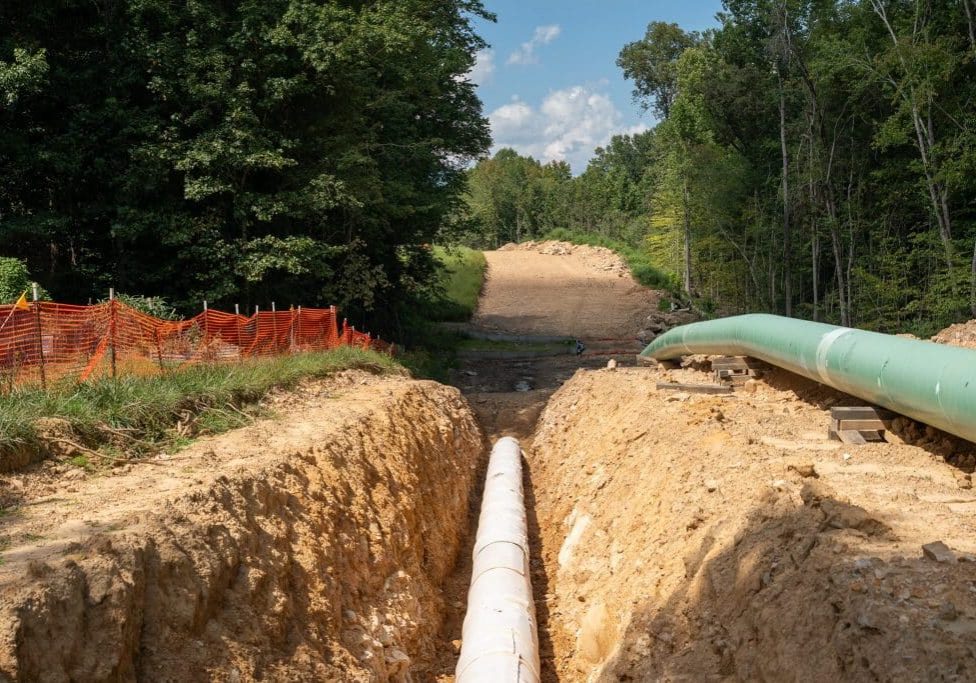
Ridgeline Pipeline Construction Impacts in Rural East Tennessee
Neighbors share concerns about noise, unpredictable construction schedules and other disruptions due to methane gas pipeline construction in East Tennessee.

Neighbors Help Neighbors
A photo essay that celebrates the volunteer spirit of the grassroots group Hurricane Helene WNC and speaks to the resourcefulness, collaboration and hard work embodied by thousands and thousands of volunteers, first responders and aid workers across the region after Hurricane Helene.

Halloween Approaches, and Night School Is in Session
The House of Art in Bluefield, West Virginia, looks like a haunted tower, making it the perfect location for its sixth annual haunt event: Night School. The Night School will be open every Friday and Saturday night through Oct. 31.

‘The Most Perfect Act of Love’
Hundreds of people attended the second annual Affirming Sumner Pride celebration on a 24-acre farm dubbed “Fruity Farm” in Bethpage, Sumner County, Tennessee.

Signs of Life: Endangered Bats Found in Nantahala for First Time in More Than a Decade
In the Nantahala National Forest, a team of biologists spotted Indiana bats, an endangered species that hasn’t been seen in North Carolina for the last 11 years.

‘First Line of Defense’
During Hurricane Helene and its aftermath, rural fire departments and other first responder hubs played critical roles in keeping their communities safe, even without power and cut off from outside support for days or weeks after the storm. Two years later, plenty of work remains to ensure these hubs have the resources they need to operate day to day and be ready when emergencies or natural disasters strike.

Leave a comment
Your email address will not be published. Required fields are marked *
Leave a Comment