

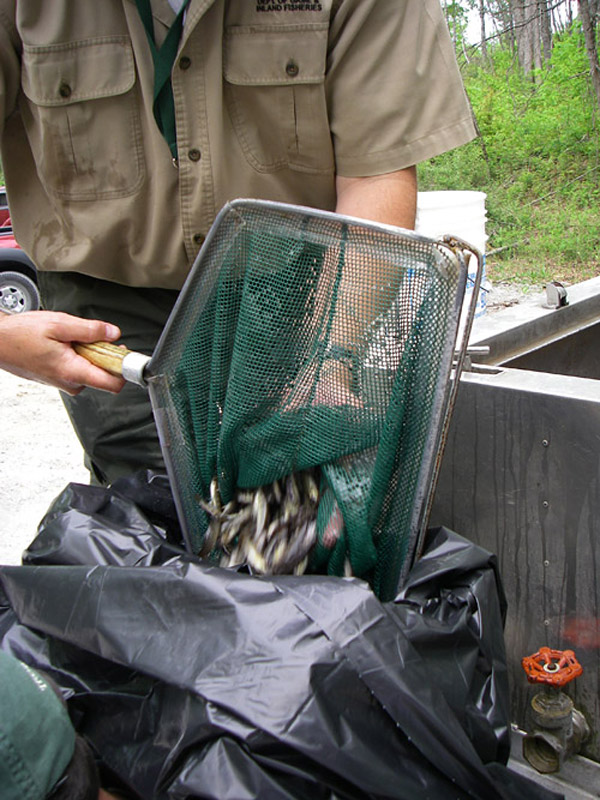
Photo courtesy Trout Unlimited
Fishing is a favorite pastime throughout Appalachia, and as such the demand for fisheries is ever-rising. Among the many attempts to introduce trout into regional waterways are the efforts by Trout Unlimited, a group that has been stocking trout in streams across the nation.
Mark Leonard, the president of a Trout Unlimited chapter in Virginia that oversees Stony Creek and Mountain Fork River in the southwest portion of the state, has worked with the Virginia Department of Forest and Fisheries to help introduce tens of thousands of trout into the two streams.
“We get a group together and line their backpacks with contractor-grade trash bags,” says Leonard. “Then we fill each pack up with four to five gallons of water and a few hundred fingerling trout, hike a mile upstream and release them into the stream.”
In 2010, the first year Leonard’s chapter carried their cargo upstream, they released 30,000 brook trout in Mountain Fork River and 20,000 brown trout in Little Stony Creek. Each year they reduce the number of trout they introduce in an effort to encourage fish reproduction; their most recent delivery was half of what it was five years ago. While brown trout aren’t native to America and can even edge out the native brook trout, state fisheries biologist Jeff Williams says that the introduction of brown trout in Little Stony Creek isn’t a problem because trout weren’t native to these two streams in the first place.
“If this stream had already had a native brook trout population, we would only be stocking brook trout,” says Williams. “We only stock brown trout in the warmer Little Stony Creek, since they are more tolerable of higher temperatures, and we only stock brook trout in Mountain Fork.”
“The habitat to support a trout population was there, along with the desire to provide a fishable population for anglers in the area,” he says. “Eventually we hope the trout will ultimately start reproducing and establish self-sustaining populations.”
In addition to stocking streams, Trout Unlimited hosts a Trout in the Classroom program in local schools to teach biology and coldwater conservation. The schoolchildren raise the fish from hatchlings to fingerling size, releasing them at the end of the school year.
“We take them for a nature hike out to the stream at the end of the year and teach them about aquatic life, how to use a fly rod, and do a scavenger hunt,” says Leonard. “You’d be surprised how many kids in the area have never been out in the woods.”
Learn more at virginiatu.org
Related Articles
Latest News
More Stories

Signs of Life
In the Nantahala National Forest, a team of biologists spotted Indiana bats, an endangered species that hasn’t been seen in North Carolina for the last 11 years.

‘First Line of Defense’
During Hurricane Helene and its aftermath, rural fire departments and other first responder hubs played critical roles in keeping their communities safe, even without power and cut off from outside support for days or weeks after the storm. Two years later, plenty of work remains to ensure these hubs have the resources they need to operate day to day and be ready when emergencies or natural disasters strike.

The Rocky Road — and Bridge — to Recovery
Hurricane Helene is estimated to have damaged nearly 7,000 private roads and bridges in Western North Carolina. Two years later, many restoration projects are complete, but the journey hasn’t been easy — and isn’t over for others.
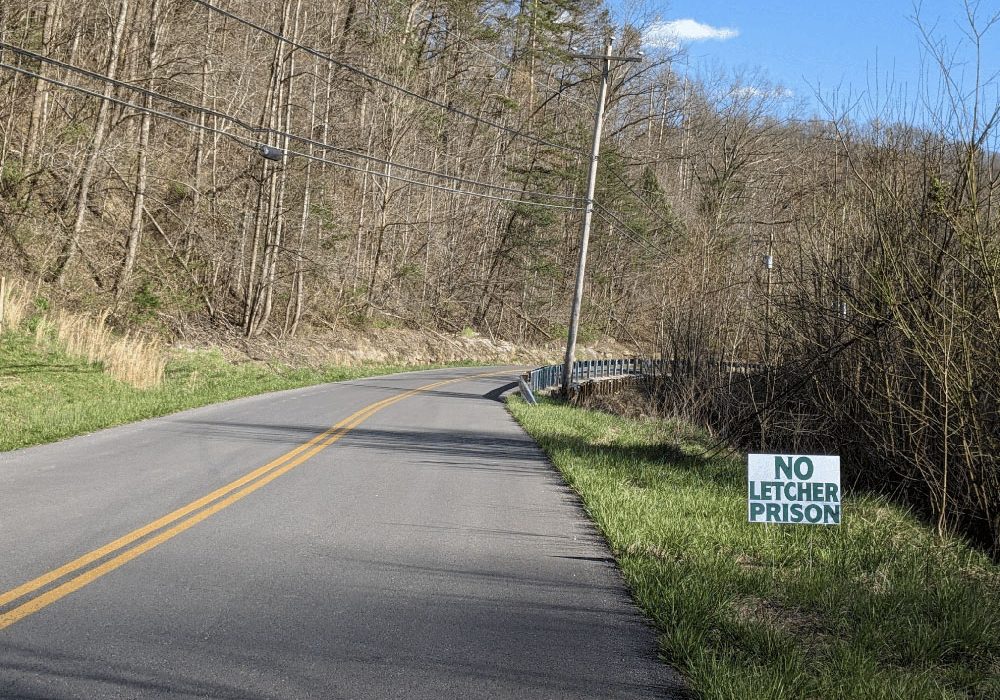
After 20 Years, Letcher County Prison Proposal Is Still Alive, Though Obstacles Remain
A $605 million proposal for a federal prison on a former strip mine site in Letcher County, Kentucky, championed by U.S. Rep. Hal Rogers, refuses to die, despite local opposition, a lack of support from the executive branch and numerous other obstacles.
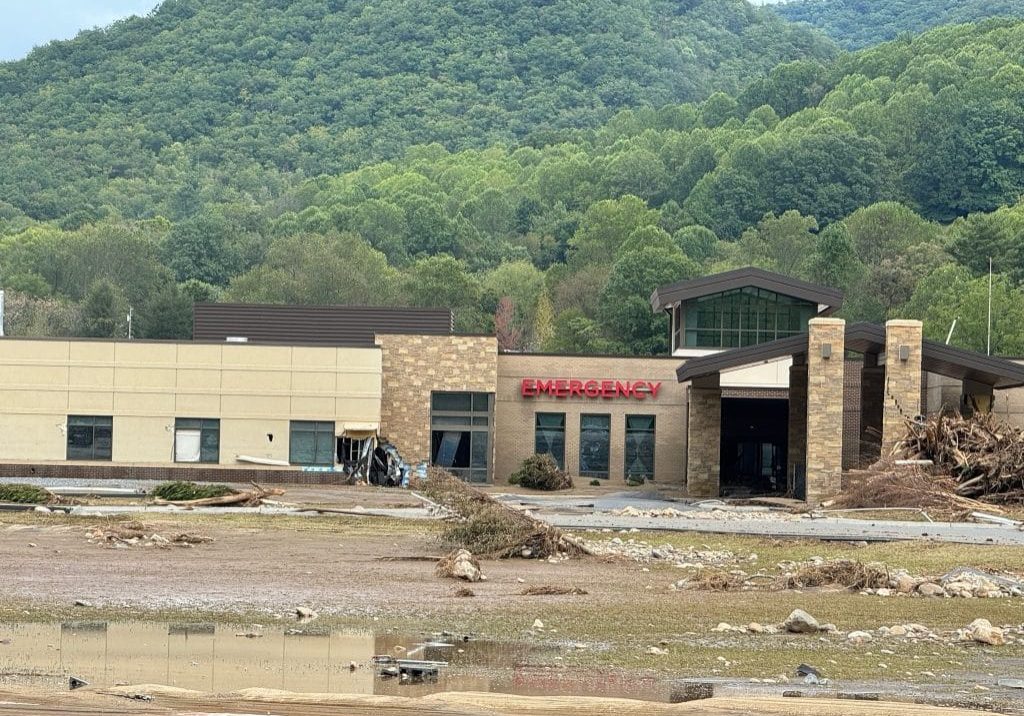
The Washout and Rebuild
For nearly two years, residents of Unicoi County, Tennessee, have had to make do without a hospital after Hurricane Helene destroyed the rural hospital. Ballad Health, which owns the hospital, broke ground on a new location — in another floodplain — in August 2026.
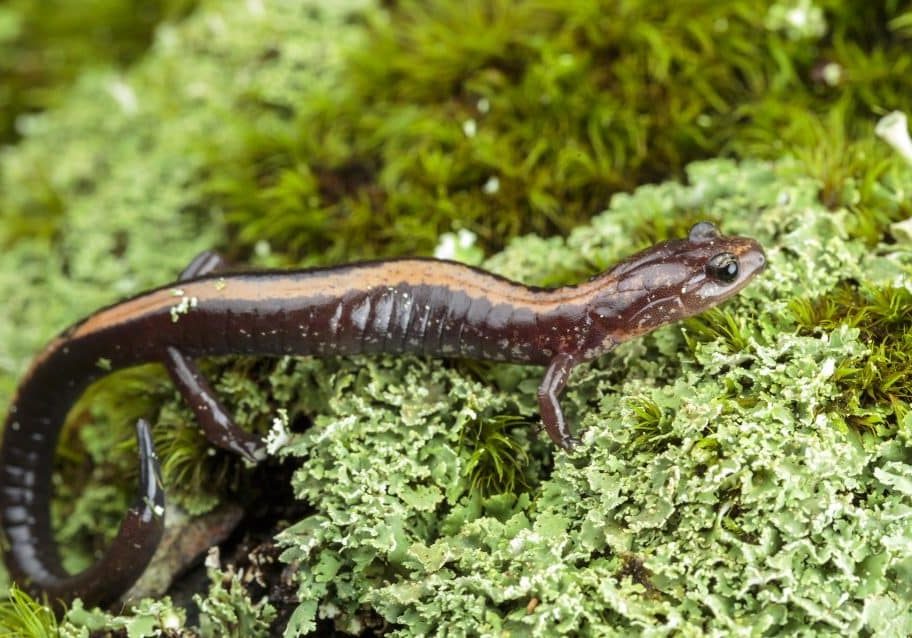
The Shenandoah Salamander
The Shenandoah salamander is a woodland salamander, which has adapted to life at higher elevations away from water. This sparkling rarity lives among the dry leaves, cracked logs, and stony hillocks on the highest peaks of Shenandoah National Park.

Leave a comment
Your email address will not be published. Required fields are marked *
Leave a Comment