

By Julia Lindsay
On July 17, Staunton River State Park in Scottsburg, Va., joined 24 other parks across the world in receiving an International Dark Sky Park designation. The International Dark Sky Association, which grants the designations, seeks to preserve areas of dark sky, a dwindling natural resource.
Eastern Tennessee’s Pickett State Park and Pogue Creek Canyon State Natural Area are also recent additions, along with North Carolina’s Mayland Community College Blue Ridge Observatory and Star Park.
“The Appalachian region is a little bit darker than the [regions] around it, but pretty much anywhere east of the Great Plains has a lot of light,” says Dark Sky Places program manager, Dr. John Barentine. Most of the country’s population lives along the coastal states, concentrating immense light pollution. The rural nature of Appalachia dilutes light pollution, making it a prime location for stargazers.
Parks wishing to get on the list must follow rigorous standards set by the association, such as brightness and color guidelines for park lights. A color temperature standard below 3000 kelvin, Barentine says, ensures that parks use a warmer white color lighting instead of bluer lights.
Parks also have to include programming to share with the park’s visitors about the value of dark skies and the need to protect them. “Without the inspiration from night sky objects,” IDA’s website states, “most of the world’s history, art, culture … would not have been created.” Park coordinators usually combine educational talks with night-time stargazing programs.
Dark Sky Parks are popular among tourists, from camping families to amateur astronomers. Roanoke Times reports that more than 140 visitors came to Staunton River State Park’s star party last fall. “A star party,” Barentine explains, “is an event where you get a bunch of people to come together, usually amateur astronomers … the visitors go from telescope to telescope and talk to the operators and ask questions.”
“People in areas that are relatively light polluted can learn and can help solve this problem,” Barentine says, through actions as simple as putting a shield atop porch lights.
Learn more at darksky.org
Related Articles
Latest News
More Stories

Signs of Life
In the Nantahala National Forest, a team of biologists spotted Indiana bats, an endangered species that hasn’t been seen in North Carolina for the last 11 years.

‘First Line of Defense’
During Hurricane Helene and its aftermath, rural fire departments and other first responder hubs played critical roles in keeping their communities safe, even without power and cut off from outside support for days or weeks after the storm. Two years later, plenty of work remains to ensure these hubs have the resources they need to operate day to day and be ready when emergencies or natural disasters strike.

The Rocky Road — and Bridge — to Recovery
Hurricane Helene is estimated to have damaged nearly 7,000 private roads and bridges in Western North Carolina. Two years later, many restoration projects are complete, but the journey hasn’t been easy — and isn’t over for others.
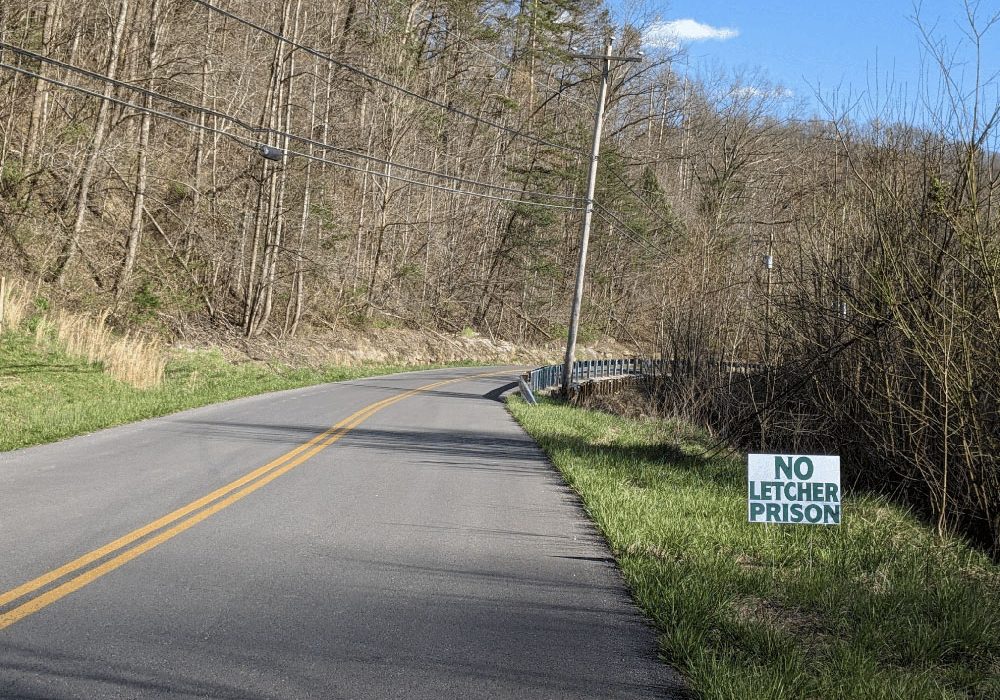
After 20 Years, Letcher County Prison Proposal Is Still Alive, Though Obstacles Remain
A $605 million proposal for a federal prison on a former strip mine site in Letcher County, Kentucky, championed by U.S. Rep. Hal Rogers, refuses to die, despite local opposition, a lack of support from the executive branch and numerous other obstacles.
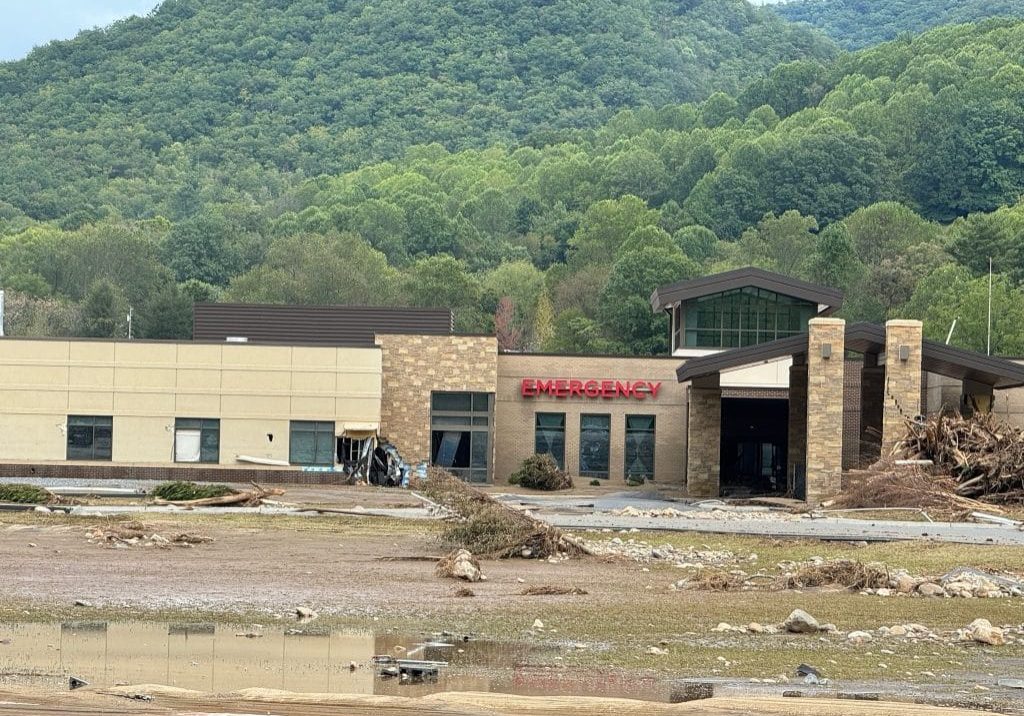
The Washout and Rebuild
For nearly two years, residents of Unicoi County, Tennessee, have had to make do without a hospital after Hurricane Helene destroyed the rural hospital. Ballad Health, which owns the hospital, broke ground on a new location — in another floodplain — in August 2026.
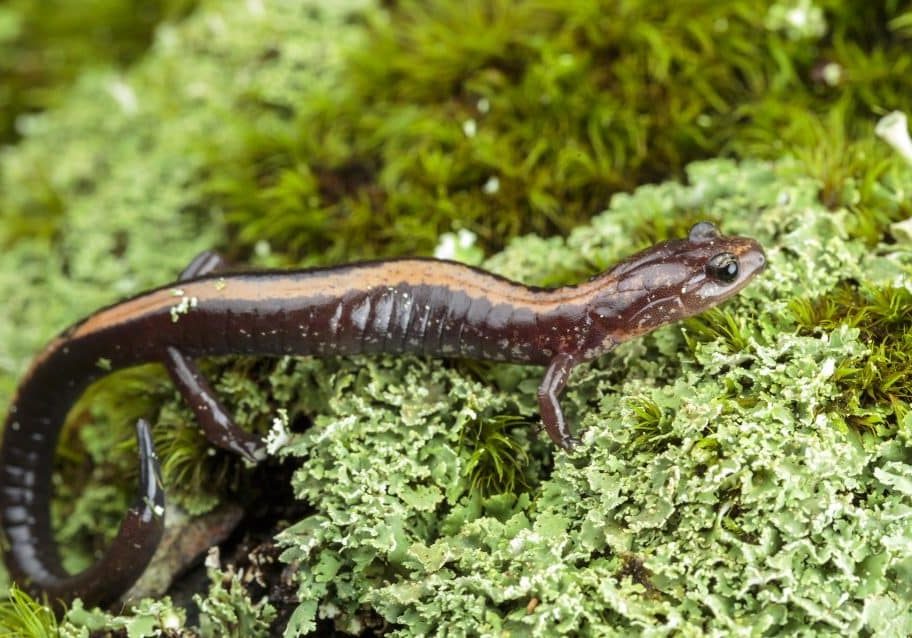
The Shenandoah Salamander
The Shenandoah salamander is a woodland salamander, which has adapted to life at higher elevations away from water. This sparkling rarity lives among the dry leaves, cracked logs, and stony hillocks on the highest peaks of Shenandoah National Park.

Leave a comment
Your email address will not be published. Required fields are marked *
Leave a Comment