

By Brian Sewell
The N.C. Mining and Energy Commission held public hearings in August and September on the proposed rules it has put forth to regulate fracking in the state. At each of the four hearings held across the state, North Carolinians overwhelmingly expressed concerns with the rules’ shortcomings and the state’s rush to begin fracking.
In oral comments, hundreds of citizens requested improvements to the more than 120 rules proposed by the MEC related to everything from inspection protocols, chemical disclosure, monitoring and reporting requirements and more. The MEC also accepted written comments from the public between July 15 and Sept. 30.
“We can live without shale gas but not without clean air and water,” said Christine Carlson, who spoke at the Raleigh hearing.
Although the state’s Department of Environment and Natural Resources recently postponed plans to explore the natural gas potential of seven western North Carolina counties, the turnout to the final hearing in Cullowhee was comparable to those held in the Piedmont, where fracking permits could be issued as soon as spring 2015. Nearly 600 people packed the hearing in the mountains and 102 people signed up to speak for three minutes each.
A video and multiple reports following the hearing indicated that, of the handful of fracking supporters present, several were entirely unfamiliar with the practice. They were given pro-fracking t-shirts by a group affiliated with the American Petroleum Institute and were bussed to the hearing from Winston-Salem, N.C. One man, who identified himself to The Sylva Herald as a veteran staying at the Bethesda Center For The Homeless, said he felt misled and was told fracking would help the environment.
The MEC plans to submit final rules to the state’s Rules Review Commission by Nov. 20.
Related Articles
Latest News
More Stories

Signs of Life
In the Nantahala National Forest, a team of biologists spotted Indiana bats, an endangered species that hasn’t been seen in North Carolina for the last 11 years.

‘First Line of Defense’
During Hurricane Helene and its aftermath, rural fire departments and other first responder hubs played critical roles in keeping their communities safe, even without power and cut off from outside support for days or weeks after the storm. Two years later, plenty of work remains to ensure these hubs have the resources they need to operate day to day and be ready when emergencies or natural disasters strike.

The Rocky Road — and Bridge — to Recovery
Hurricane Helene is estimated to have damaged nearly 7,000 private roads and bridges in Western North Carolina. Two years later, many restoration projects are complete, but the journey hasn’t been easy — and isn’t over for others.
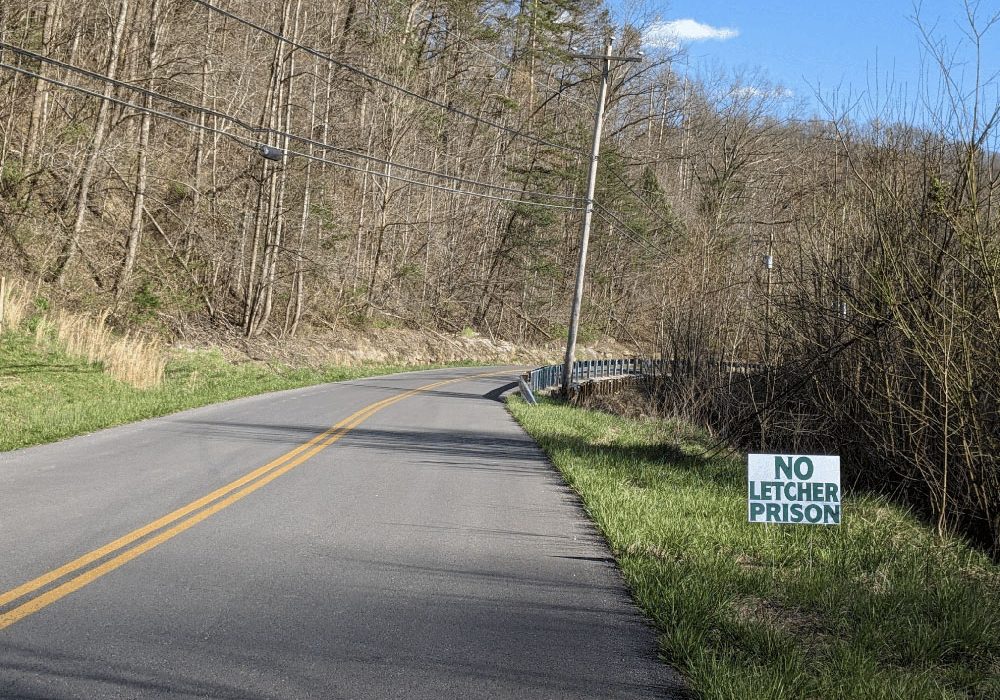
After 20 Years, Letcher County Prison Proposal Is Still Alive, Though Obstacles Remain
A $605 million proposal for a federal prison on a former strip mine site in Letcher County, Kentucky, championed by U.S. Rep. Hal Rogers, refuses to die, despite local opposition, a lack of support from the executive branch and numerous other obstacles.
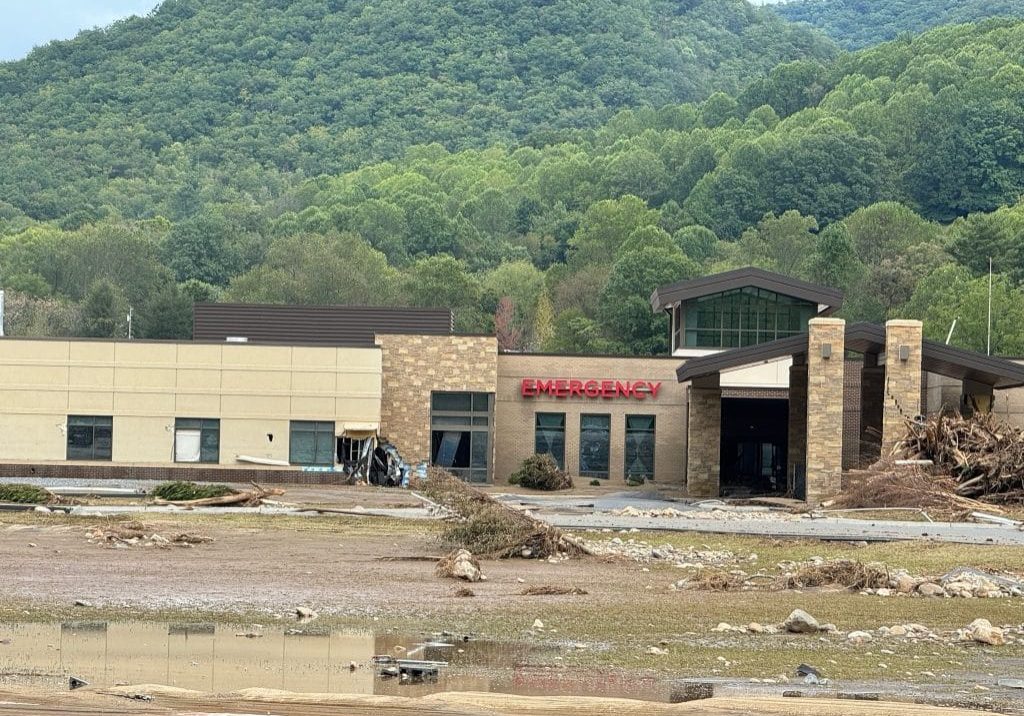
The Washout and Rebuild
For nearly two years, residents of Unicoi County, Tennessee, have had to make do without a hospital after Hurricane Helene destroyed the rural hospital. Ballad Health, which owns the hospital, broke ground on a new location — in another floodplain — in August 2026.

The Shenandoah Salamander
The Shenandoah salamander is a woodland salamander, which has adapted to life at higher elevations away from water. This sparkling rarity lives among the dry leaves, cracked logs, and stony hillocks on the highest peaks of Shenandoah National Park.

Leave a comment
Your email address will not be published. Required fields are marked *
Leave a Comment