

By Brian Sewell
Duke Energy, Dominion Resources and other partners are teaming up to build a 550-mile pipeline to better access natural gas produced in Pennsylvania, Ohio and West Virginia, where fracking has proliferated in the Marcellus and Utica shale formations.
The Atlantic Coast Pipeline, which the companies hope will be in service by 2019, would begin in north-central West Virginia, snake through 10 Virginia Piedmont counties and bisect North Carolina before terminating near the South Carolina border. A lateral extension near the Virginia-North Carolina border would stretch to the coast.
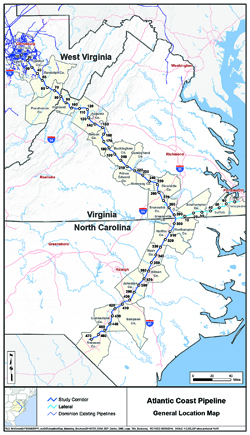
Image Courtesy of Dominion Resources
If the pipeline is built, Duke’s gas-burning power plants would be the primary customers and capture nearly half of the projected 1.5 billion cubic feet of gas pumped through the pipeline each day.
Dominion Resources shares the majority ownership stake in the pipeline with Duke and will also serve as the lead builder. Dominion began preliminary survey work in May, which created a stir along the proposed route and spawned a movement of concerned landowners and communities months before the plan was officially announced.
In September, a coalition of 22 groups, including the Southern Environmental Law Center and West Virginia Highlands Conservancy, emerged as the Allegheny-Blue Ridge Alliance with the sole purpose of raising the alarm about the proposed pipeline. The groups say the planned route puts some of the most ecologically sensitive areas in the eastern U.S. at risk, such as portions of the George Washington and Monongahela national forests.
The companies claim building the pipeline will create construction jobs and spur industrial development. Governors Pat McCrory of North Carolina, Terry McAuliffe of Virginia, and Earl Ray Tomblin of West Virginia have all heralded the pipeline’s economic potential.
McAuliffe, who has been outspoken in his support for the pipeline while opposing fracking in Virginia, found himself in an awkward spot at the first meeting of the state’s climate change commission on Sept. 10. Claiming the pipeline has “nothing to do with fracking,” McAuliffe later added, “I do not support fracking as governor of the Commonwealth.”
The Atlantic Coast Pipeline must gain approval from the Federal Energy Regulatory Commission and state utility commissions, and there are several opportunities for public input during the process.
Related Articles
Latest News
More Stories

Halloween Approaches, and Night School Is in Session
The House of Art in Bluefield, West Virginia, looks like a haunted tower, making it the perfect location for its sixth annual haunt event: Night School. The Night School will be open every Friday and Saturday night through Oct. 31.

‘The Most Perfect Act of Love’
After losing its rural pride celebration, hundreds of people attended the second annual Affirming Sumner Pride celebration on a 24-acre farm dubbed “Fruity Farm” in Bethpage, Sumner County, Tennessee.

Signs of Life
In the Nantahala National Forest, a team of biologists spotted Indiana bats, an endangered species that hasn’t been seen in North Carolina for the last 11 years.
‘First Line of Defense’
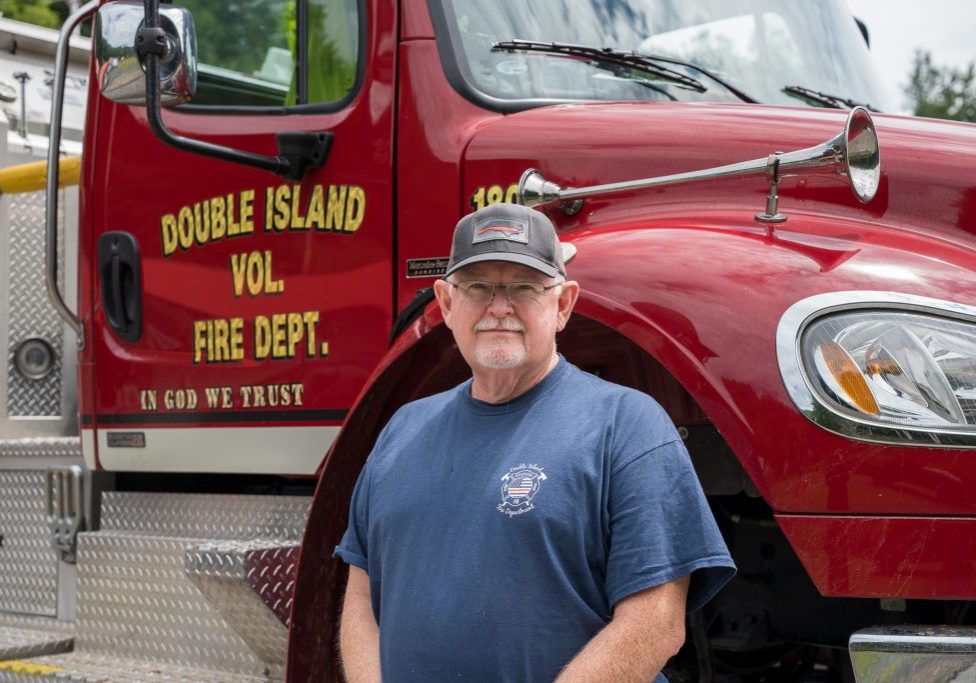
During Hurricane Helene and its aftermath, rural fire departments and other first responder hubs played critical roles in keeping their communities safe, even without power and cut off from outside support for days or weeks after the storm. Two years later, plenty of work remains to ensure these hubs have the resources they need to operate day to day and be ready when emergencies or natural disasters strike.
The Rocky Road — and Bridge — to Recovery
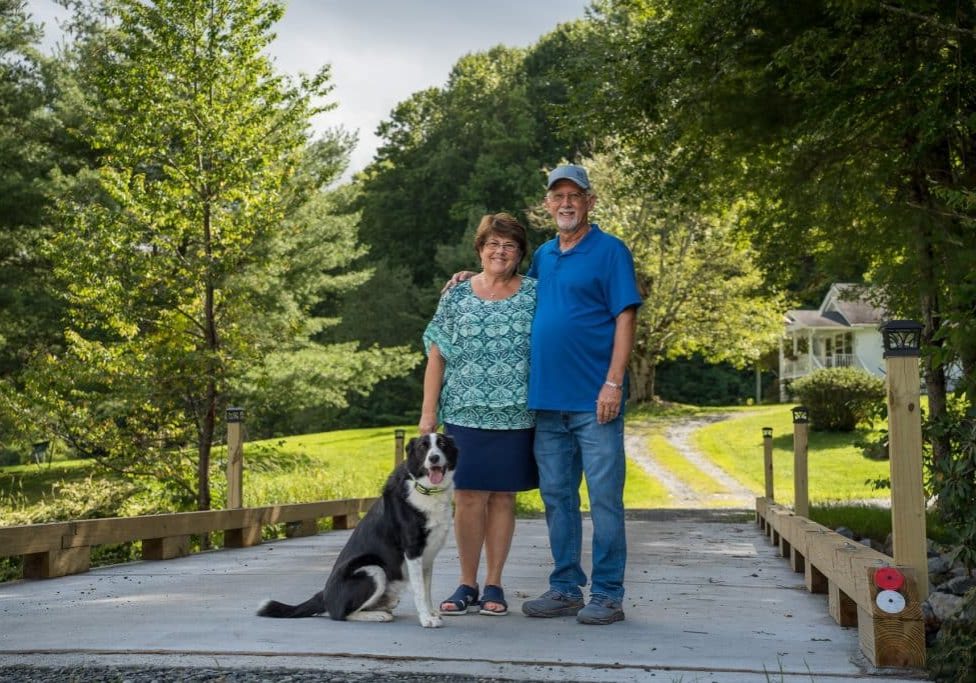
Hurricane Helene is estimated to have damaged nearly 7,000 private roads and bridges in Western North Carolina. Two years later, many restoration projects are complete, but the journey hasn’t been easy — and isn’t over for others.
After 20 Years, Letcher County Prison Proposal Is Still Alive, Though Obstacles Remain
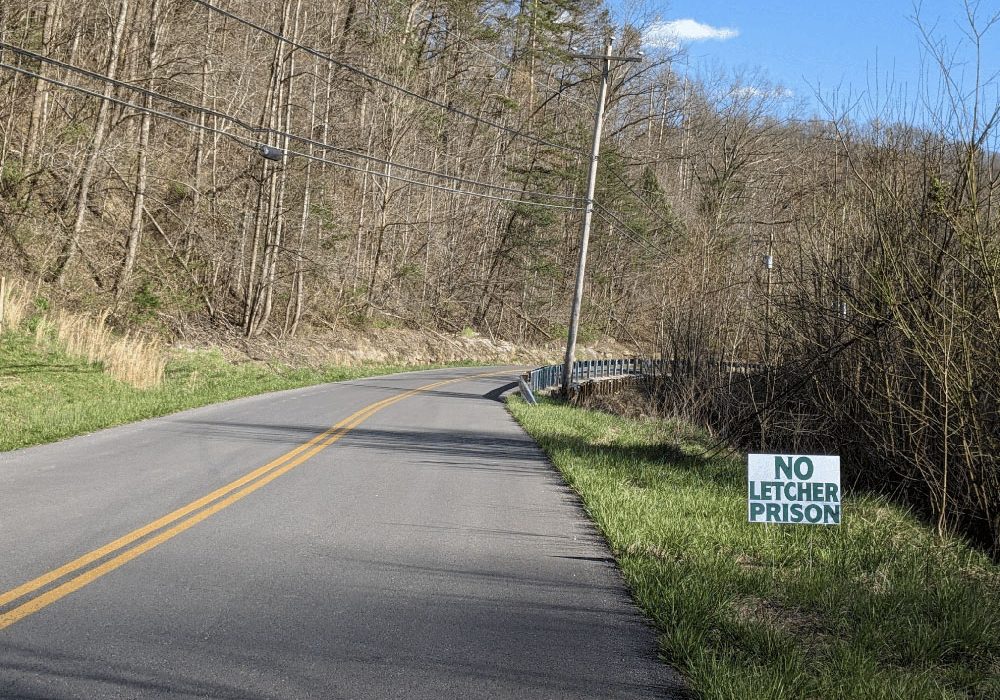
A $605 million proposal for a federal prison on a former strip mine site in Letcher County, Kentucky, championed by U.S. Rep. Hal Rogers, refuses to die, despite local opposition, a lack of support from the executive branch and numerous other obstacles.

Leave a comment
Your email address will not be published. Required fields are marked *
Leave a Comment