

Asheville City Council Approves Clean Energy Resolution
In October, the city council of Asheville, N.C., unanimously approved a resolution to phase out the city’s use of coal-fired electricity and increase power generated from cleaner sources and saved through energy efficiency. Led by local citizen groups including the Western North Carolina Alliance and the Asheville Beyond Coal campaign, the statement targets Duke Energy and the utility’s Asheville Steam Station.
The coal plant is western North Carolina’s largest emitter of carbon dioxide, and has become a poster child for the poor regulation of coal ash. In the past year, the Asheville plant has been the target of protests and a lawsuit filed by the state focused on coal ash pollution of the French Broad River. The resolution calls on Duke Energy to work with city government to find ways to meet Asheville’s carbon reduction goals but does not explicitly ask Duke to close the plant.
EPA Approves Weakened Kentucky Selenium Standards
By Brian Sewell
On Nov. 15, the U.S. Environmental Protection Agency approved a controversial Kentucky Division of Water proposal to weaken water quality standards for selenium, a pollutant prevalent in coal mining waste that threatens aquatic life and stream health. Environmental groups say the new standards will not adequately protect aquatic life, and will make it harder to test for and enforce the limits near mountaintop removal coal mining sites throughout eastern Kentucky.
Although the EPA did not approve of all the changes proposed by the Kentucky DOW, the agency accepted raising limits and changing the testing method for the state’s chronic standard. The level of selenium in the water table that previously triggered enforcement will now require fish tissue sampling. But even the new fish tissue standard allows for more of the toxin than a standard proposed by the EPA in 2004 that was rejected after a group of the nation’s leading selenium scientists argued it was too weak.
In recent years, selenium has become a liability for coal companies, especially those that operate mountaintop removal mines in Central Appalachia. Due to the threat of lawsuits and the substantial clean-up costs, the coal industry has pressured regulators to weaken selenium standards. The EPA’s decision is likely to encourage other states to weaken their own limits on selenium — especially West Virginia and Virginia, where efforts are currently underway.
Report Documents Concerns Over Water Use and Fracking Waste in W.Va.
By Brian Sewell
As West Virginia undergoes a natural gas boom, more information is surfacing regarding the amount of water used in the drilling process and the monitoring of waste disposal. According to a report sent to state lawmakers by Morgantown-based consulting firm Downstream Strategies, West Virginia’s Marcellus Shale wells leave huge quantities of fracking fluid underground, and the industry’s water use and waste production is very poorly monitored.
The Downstream Strategies report found that of the approximately 5 million gallons of fluid injected per fractured well in West Virginia, only 8 percent returns to the surface. The remaining 92 percent stays underground, completely removed from the water cycle. Also, according to the report, since more than 80 percent of the water used is taken directly from nearby rivers and streams, improper timing of water withdrawals can lead to severe impacts on small streams and aquatic life.
State regulations have been slow to keep up with the fracking boom in West Virginia. After drilling occurs, the fate of 62 percent of the waste produced is currently unknown.
The Downstream Strategies authors claim that improvements in reporting, data collection and enforcement are needed to protect the environment from the growing volume of fracking waste. Still, research indicates that the reporting laws already in place are largely unenforced.
Related Articles
Latest News
More Stories
Neighbors Help Neighbors
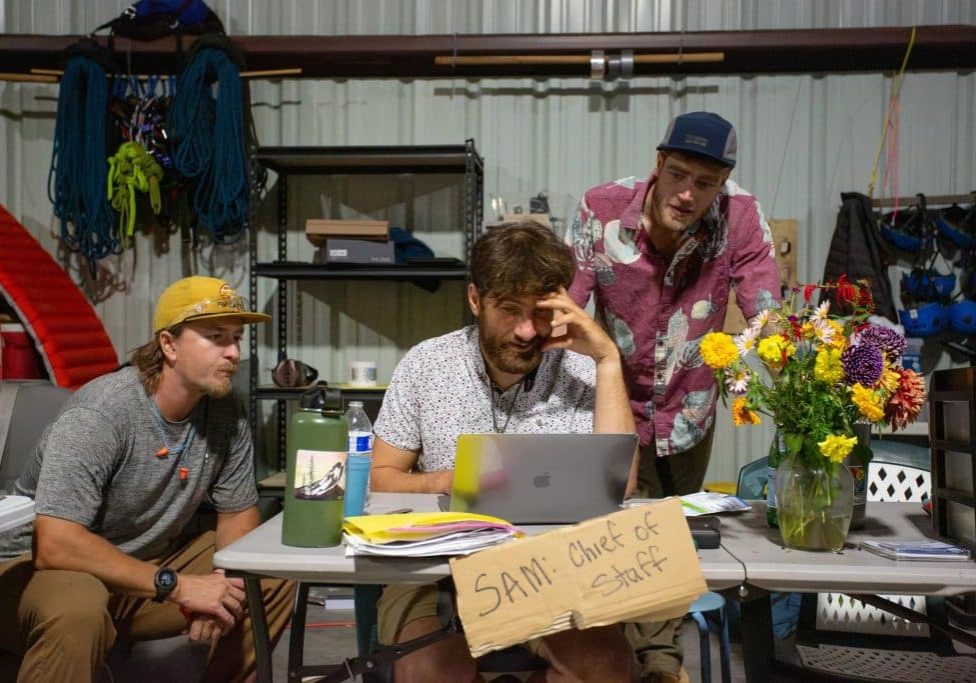
A photo essay that celebrates the volunteer spirit of the grassroots group Hurricane Helene WNC and speaks to the resourcefulness, collaboration and hard work embodied by thousands and thousands of volunteers, first responders and aid workers across the region after Hurricane Helene.

Halloween Approaches, and Night School Is in Session
The House of Art in Bluefield, West Virginia, looks like a haunted tower, making it the perfect location for its sixth annual haunt event: Night School. The Night School will be open every Friday and Saturday night through Oct. 31.
‘The Most Perfect Act of Love’
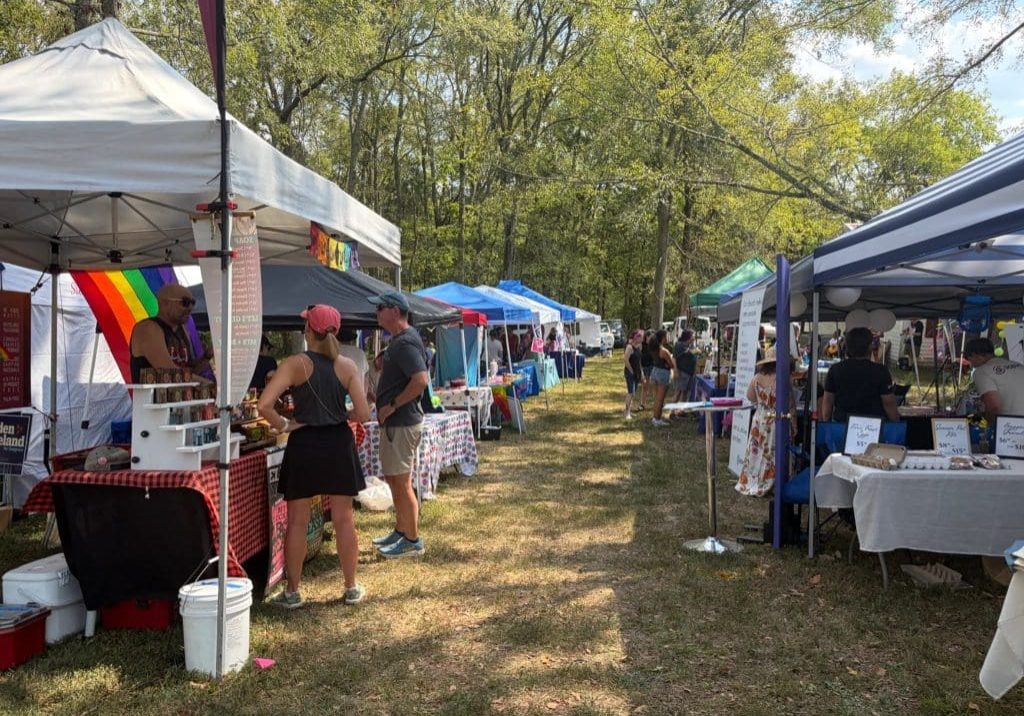
Hundreds of people attended the second annual Affirming Sumner Pride celebration on a 24-acre farm dubbed “Fruity Farm” in Bethpage, Sumner County, Tennessee.

Signs of Life: Endangered Bats Found in Nantahala for First Time in More Than a Decade
In the Nantahala National Forest, a team of biologists spotted Indiana bats, an endangered species that hasn’t been seen in North Carolina for the last 11 years.

‘First Line of Defense’
During Hurricane Helene and its aftermath, rural fire departments and other first responder hubs played critical roles in keeping their communities safe, even without power and cut off from outside support for days or weeks after the storm. Two years later, plenty of work remains to ensure these hubs have the resources they need to operate day to day and be ready when emergencies or natural disasters strike.

The Rocky Road — and Bridge — to Recovery
Hurricane Helene is estimated to have damaged nearly 7,000 private roads and bridges in Western North Carolina. Two years later, many restoration projects are complete, but the journey hasn’t been easy — and isn’t over for others.

Leave a comment
Your email address will not be published. Required fields are marked *
Leave a Comment