

Matt Hepler: Charting a Path to Clean Water
By Molly Moore
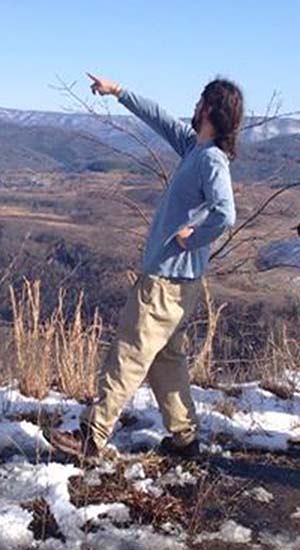
Photo by Reanna Edwards
After studying geologic features and data, Matt Hepler maps out a handful of locations in the coal-bearing mountains of southwest Virginia. With a cooler full of empty water bottles, a scientific probe and a pair of waders — just in case — he heads out to monitor water quality in areas impacted by coal mining.
Hepler is the water and enforcement organizer with the Southern Appalachian Mountain Stewards, a Wise County, Va.-based community and environmental advocacy organization. Often accompanied by interns or area residents, he tests backyard creeks and headwaters of local waterways, looking for dangerous levels of heavy metals and other pollutants. When initial readings are troublesome, he sends a water sample to a lab to find out if the levels of toxicants pose a threat to aquatic or human health. If the waterway is contaminated, he educates area residents about potential dangers.
In the coming years, he hopes to see the base of citizens regularly testing waterways across the region grow. Hepler’s top goal, however, is to ensure that this data shapes sound federal and state environmental policies. If rules such as the Office of Surface Mining’s stream buffer zone are strengthened to protect water quality, he says, it will greatly reduce the destruction caused by surface mining.
27 Visionaries
READ THEIR STORIES
Having grown up in the mountains of Bath County, Va., Hepler prizes the rural lifestyle and is also a member of the RReNEW Collective, a group that facilitates the placement of volunteers with justice-oriented organizations in coal-dependent Virginia counties.
When it comes to advice for the next crop of activists, Hepler speaks from his experiences with court cases and government agencies: “Learn to be very patient because change takes a really long time.” But Hepler is not idly waiting to see problems in his community improve — with each water sample or citizens’ rights workshop, he’s bringing that change a little closer to reality.
To learn about regional water monitoring, visit ACE-project.org. Find more information about Southern Appalachian Mountain Stewards at samsva.org and the RReNEW Collective at rrenewcollective.org
Related Articles
Latest News
More Stories
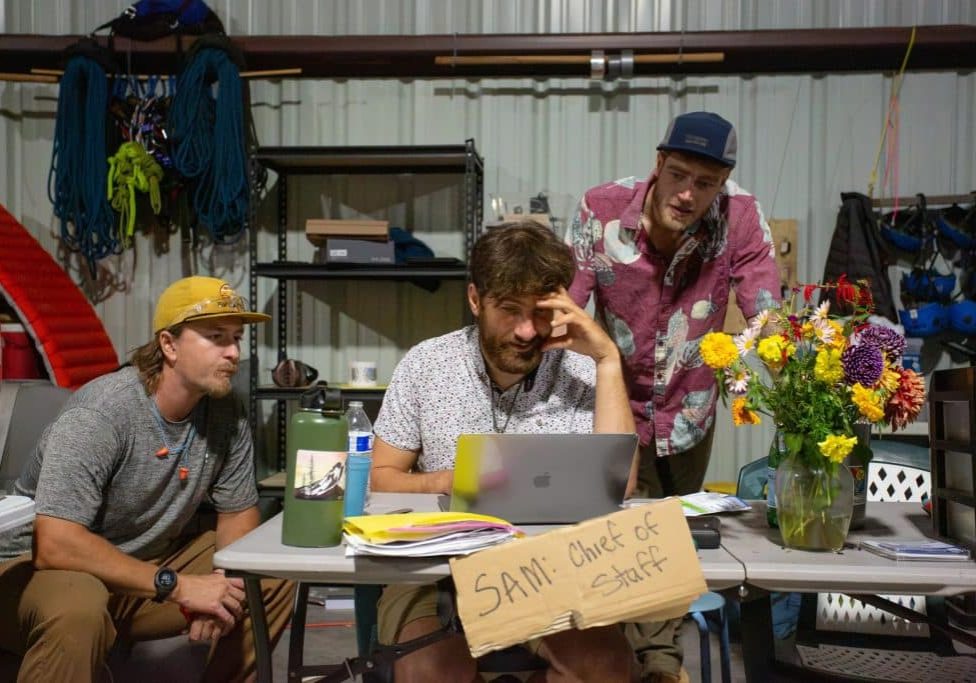
Neighbors Help Neighbors
A photo essay that celebrates the volunteer spirit of the grassroots group Hurricane Helene WNC and speaks to the resourcefulness, collaboration and hard work embodied by thousands and thousands of volunteers, first responders and aid workers across the region after Hurricane Helene.
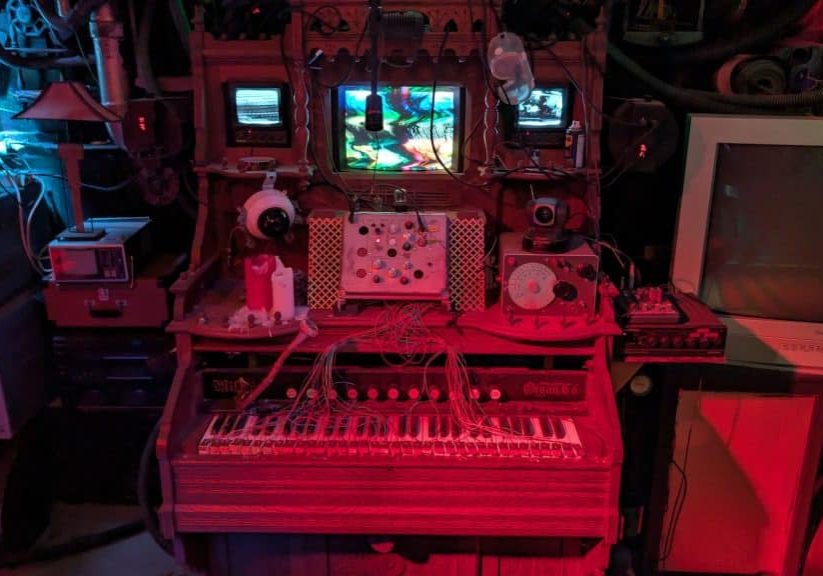
Halloween Approaches, and Night School Is in Session
The House of Art in Bluefield, West Virginia, looks like a haunted tower, making it the perfect location for its sixth annual haunt event: Night School. The Night School will be open every Friday and Saturday night through Oct. 31.
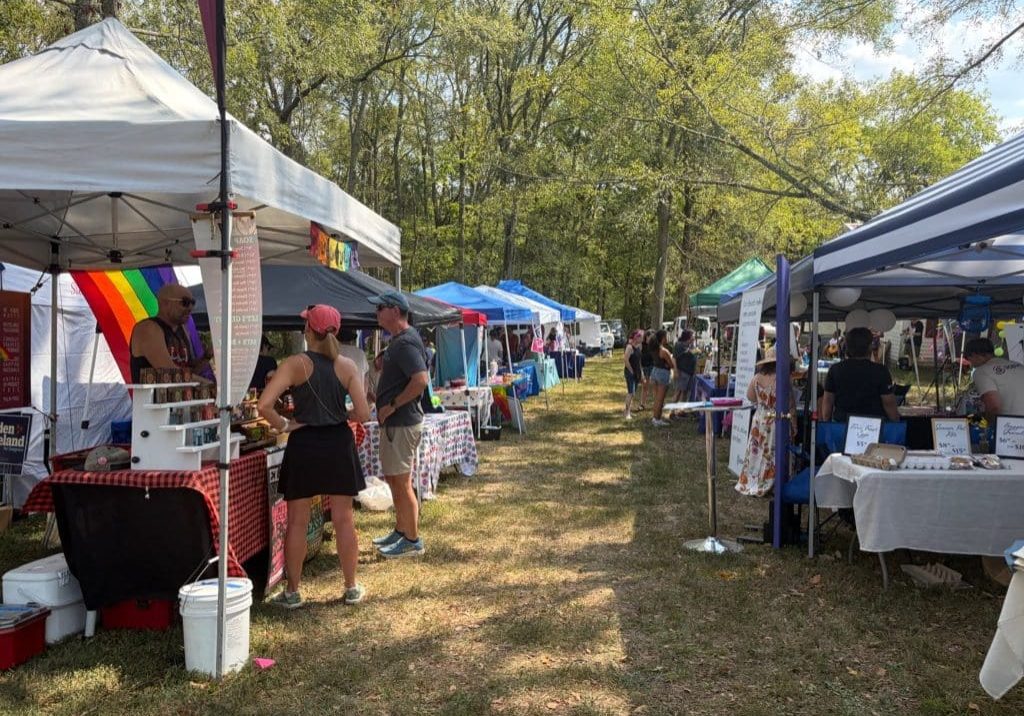
‘The Most Perfect Act of Love’
Hundreds of people attended the second annual Affirming Sumner Pride celebration on a 24-acre farm dubbed “Fruity Farm” in Bethpage, Sumner County, Tennessee.

Signs of Life: Endangered Bats Found in Nantahala for First Time in More Than a Decade
In the Nantahala National Forest, a team of biologists spotted Indiana bats, an endangered species that hasn’t been seen in North Carolina for the last 11 years.
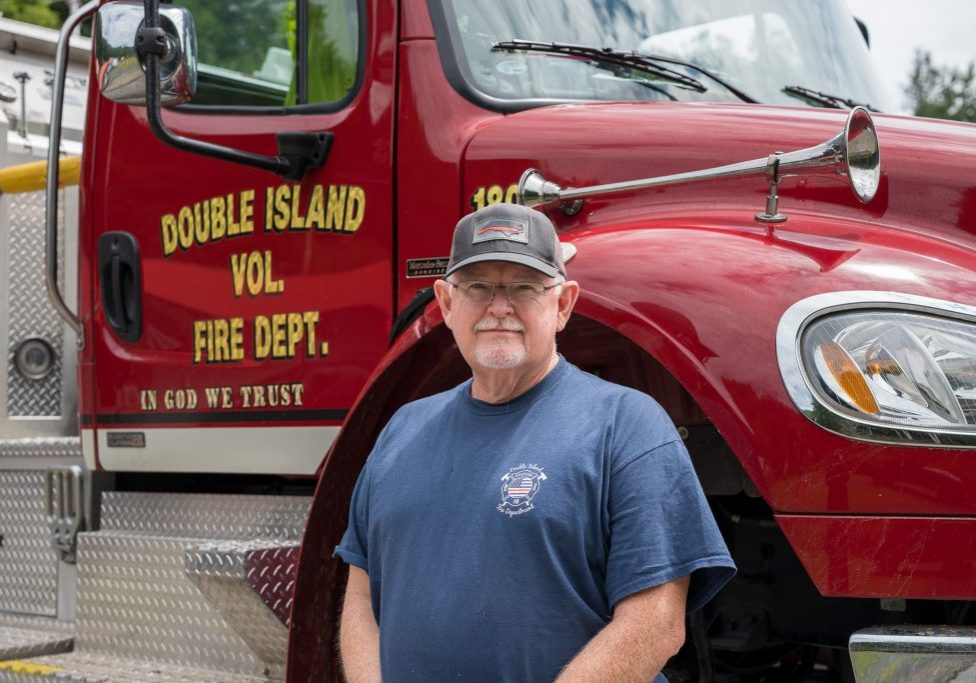
‘First Line of Defense’
During Hurricane Helene and its aftermath, rural fire departments and other first responder hubs played critical roles in keeping their communities safe, even without power and cut off from outside support for days or weeks after the storm. Two years later, plenty of work remains to ensure these hubs have the resources they need to operate day to day and be ready when emergencies or natural disasters strike.
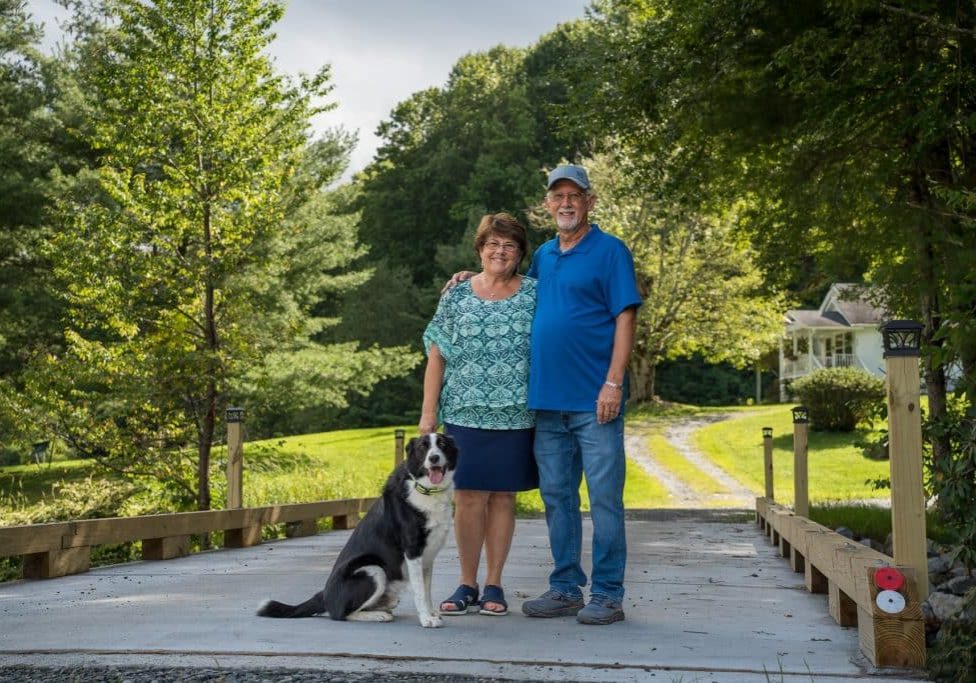
The Rocky Road — and Bridge — to Recovery
Hurricane Helene is estimated to have damaged nearly 7,000 private roads and bridges in Western North Carolina. Two years later, many restoration projects are complete, but the journey hasn’t been easy — and isn’t over for others.

Leave a comment
Your email address will not be published. Required fields are marked *
Leave a Comment