

By Kimber Ray
A year-long investigation revealed evidence this fall that the coal industry has supported fraudulent practices in order to block workers’ compensation claims for black lung disease.
According to the investigation conducted by The Center for Public Integrity and ABC News, it appears that officials at prestigious medical institutions including Johns Hopkins Hospital have long accepted industry bribes to abstain from diagnosing miners with the disease. Dr. Paul Wheeler, head of the Johns Hopkins black lung unit, has come under particular scrutiny. The report also revealed that in the courts, the industry’s go-to law firm Jackson Kelly has repeatedly withheld key evidence that would aid miners in securing compensation for black lung disease.
The disease is an irreversible and often fatal condition caused by prolonged exposure to coal dust; when successful, compensation claims typically amount to under $1,000 a month. According to the Government Accountability Office, fewer than 10 percent of miners who apply for these benefits actually receive them—and this in spite of rising disease rates.
In 2008, the Centers for Disease Control wrote that the prevalence of black lung has doubled since 1995, contributing to more than 10,000 deaths in the past decade. Yet in the 1,500 cases reviewed by Dr. Wheeler since 2000, he failed to diagnose a single case of severe black lung disease. Additionally, the report found that coal companies pay Johns Hopkins an average of $750 to review X-rays for black lung — an amount nearly ten times the standard fee. For many miners with the disease, their positive diagnosis — necessary to receive compensation for treatment —was established only through autopsy.
Given the prestige of Johns Hopkins as well as Dr. Wheeler’s record of failing to diagnose black lung, the institute was a frequent source of evidence for the Jackson Kelly law firm. For decades, the firm has worked to block miners’ efforts to receive compensation. The report notes that the firm has hired some of the nation’s leading medical authorities to “trump the opinion of miners’ physicians.” Occasionally, a few of these hand-selected doctors would be unable to deny the presence of black lung; such unfavorable evaluations would be routinely withheld from the court. On the rare occasion when a judge ordered the disclosure of all relevant evidence, Jackson Kelly would instead grant black lung benefits in order to avoid revealing undisclosed documents.
In the wake of widespread outrage sparked by the report, Johns Hopkins suspended its black lung program on Nov. 1. Members of Congress are calling for an official probe of the doctors and lawyers implicated by the study, and Senators Jay Rockefeller, D-W.Va., and Robert Casey, D-Pa., are working with the Department of Labor to craft legislative reforms of the black lung benefits program.
Contaminated Groundwater at TVA Coal Plants
By Kimber Ray
Nearly five years after the Kingston Fossil Plant coal ash spill unleashed over a billion gallons of sludge in Roane County, Tenn., a new report shows that the Tennessee Valley Authority’s mismanagement of coal ash waste has been ongoing for decades, resulting in groundwater contamination at all 11 TVA coal-fired power plants in Tennessee, Kentucky and Alabama.
The report was released Oct. 7 by the Environmental Integrity Project, a nonprofit organization established by former enforcement attorneys for the U.S. Environmental Protection Agency.
Coal ash waste is a byproduct of burning coal, which is then stored in ponds near the power plant. Contaminants identified at the TVA sites by the report include arsenic, boron, cobalt, manganese and sulfate, all of which are linked to coal ash contamination. The potential for negative health effects includes neurological damage, heart disease and cancer.
Through Freedom of Information Act requests, the EIP was able to obtain the TVA well monitoring data used for the report. However, the EIP believes this data only begins to touch on the full scope of contamination. The report notes that although the TVA has an extensive network of monitoring wells, the utility fails to regularly test for the pollutants most strongly associated with coal ash. If evidence of contamination becomes apparent despite negligent testing, the TVA has frequently responded by halting data collection.
The TVA released a statement on Nov. 7 outlining efforts to prevent coal ash contamination, but did not directly dispute the report. There are currently no plans to remediate any of the sites.
According to the Chattanooga Times Free Press, Tennessee Department of Environment and Conservation spokeswoman Kelly Brockman said on Nov. 7 that the department is still evaluating the report. Although the state has rarely held the TVA accountable for groundwater contamination, upcoming regulations from the EPA may increase protections. On Oct. 29 a federal court sided with public interest groups including Appalachian Voices, the publisher of The Appalachian Voice, and, after four years of delays, the EPA was given 60 days to set a final deadline for submission of its coal ash rules.
Polluted Asheville Well Fans Debate
By Kimber Ray
In an unprecedented decision, North Carolina officials on Oct. 23 ordered Duke Energy Progress to provide alternative drinking water to a residence near Asheville after testing revealed that the home’s private well was contaminated with heavy metals. Although the North Carolina Department of Environmental and Natural Resources has previously held Duke accountable for groundwater contamination, this case marks the first time that the utility has been held liable for drinking water as well.
According to Ben Bradford from public radio station WFAE, Duke claims the Asheville well case demonstrates that the state isn’t going easy on them in prosecuting coal ash contamination. In a separate case, citizens and environmental groups in August submitted more than 5,000 public comments expressing the opinion that the state environmental agency continues to be too lenient with Duke in prosecuting coal ash pollution.
Related Articles
Latest News
More Stories
Neighbors Help Neighbors
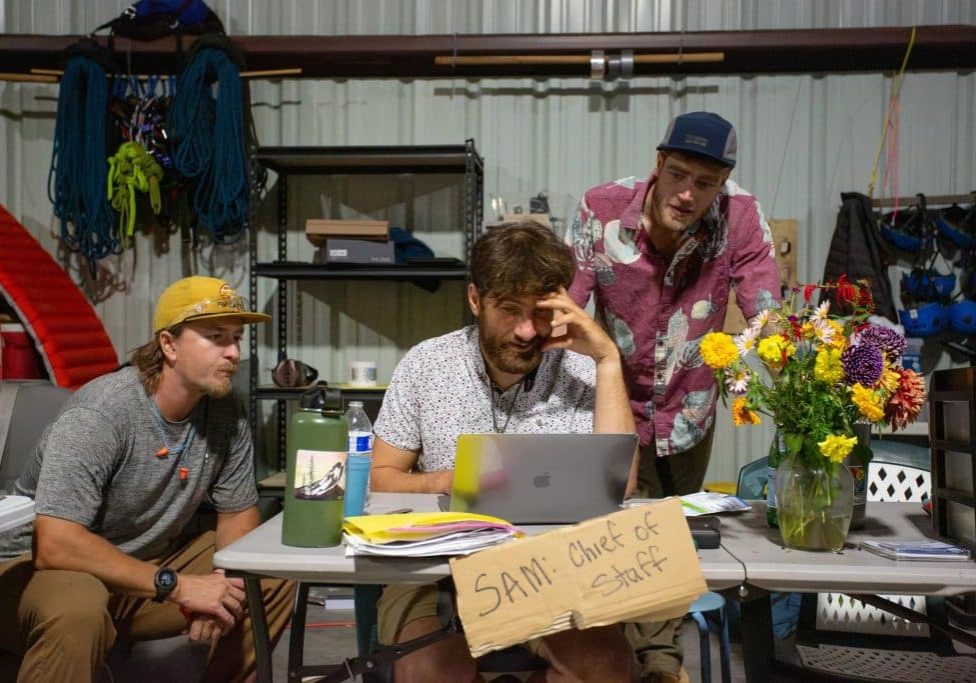
A photo essay that celebrates the volunteer spirit of the grassroots group Hurricane Helene WNC and speaks to the resourcefulness, collaboration and hard work embodied by thousands and thousands of volunteers, first responders and aid workers across the region after Hurricane Helene.

Halloween Approaches, and Night School Is in Session
The House of Art in Bluefield, West Virginia, looks like a haunted tower, making it the perfect location for its sixth annual haunt event: Night School. The Night School will be open every Friday and Saturday night through Oct. 31.
‘The Most Perfect Act of Love’
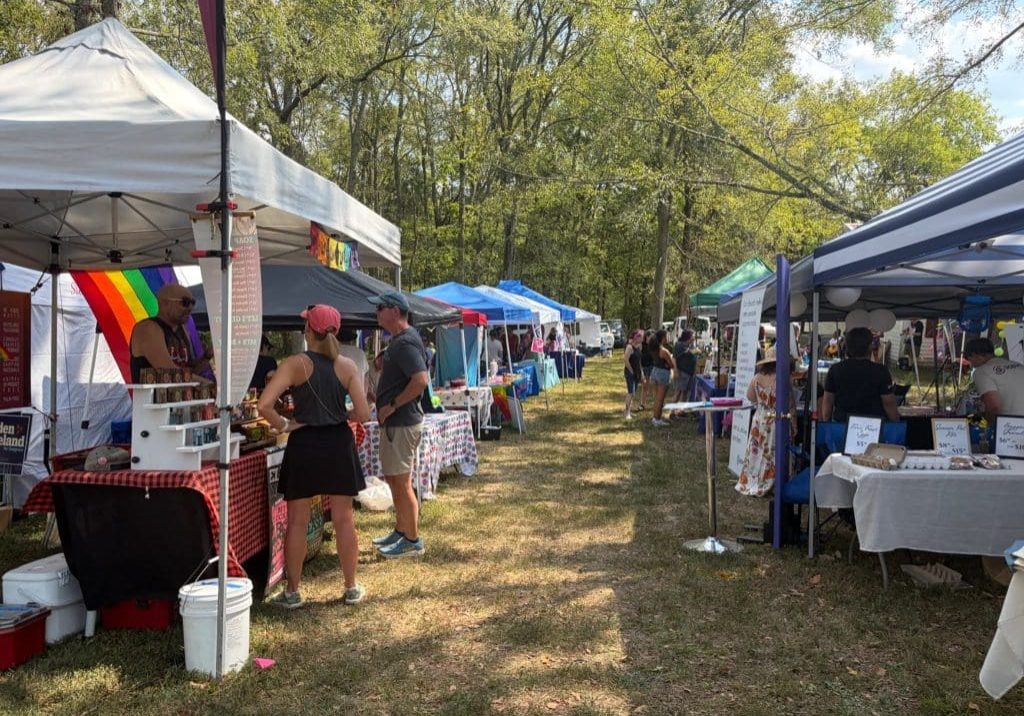
Hundreds of people attended the second annual Affirming Sumner Pride celebration on a 24-acre farm dubbed “Fruity Farm” in Bethpage, Sumner County, Tennessee.
Signs of Life: Endangered Bats Found in Nantahala for First Time in More Than a Decade
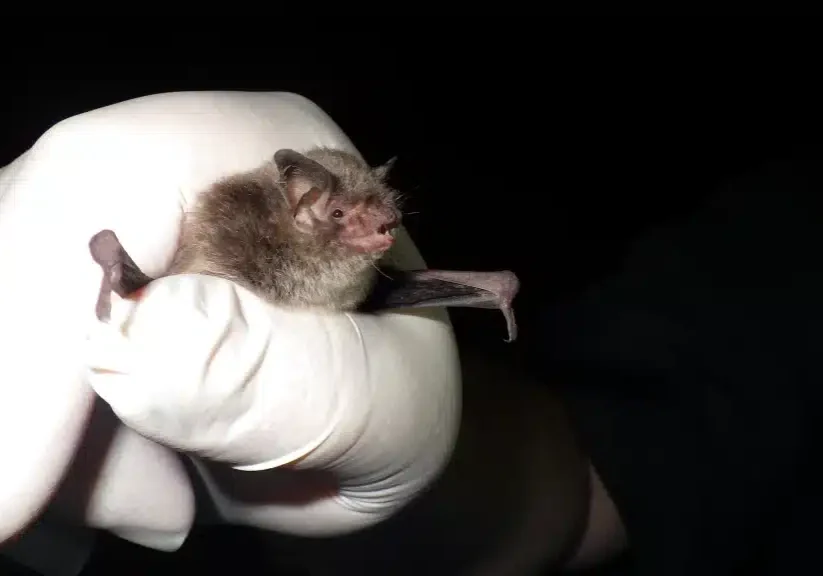
In the Nantahala National Forest, a team of biologists spotted Indiana bats, an endangered species that hasn’t been seen in North Carolina for the last 11 years.

‘First Line of Defense’
During Hurricane Helene and its aftermath, rural fire departments and other first responder hubs played critical roles in keeping their communities safe, even without power and cut off from outside support for days or weeks after the storm. Two years later, plenty of work remains to ensure these hubs have the resources they need to operate day to day and be ready when emergencies or natural disasters strike.

The Rocky Road — and Bridge — to Recovery
Hurricane Helene is estimated to have damaged nearly 7,000 private roads and bridges in Western North Carolina. Two years later, many restoration projects are complete, but the journey hasn’t been easy — and isn’t over for others.

Leave a comment
Your email address will not be published. Required fields are marked *
Leave a Comment