

Four Projects on Fourth Creek
By Hallie Carde
Bob and Jill Kinser claim to have the best water around, and they’re quick to offer a glass to anyone to prove it. In fact, the only thing more apparent than the Kinsers’ hospitality is their hardworking nature.
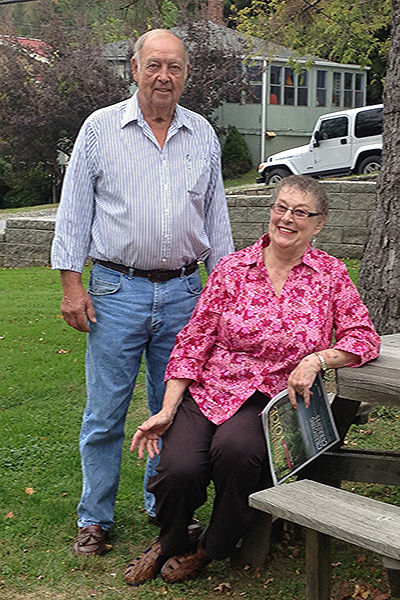
Photo courtesy of Bob and Jill Kinser
Looking for a place in the country to keep horses, the couple moved to 23 acres along Fourth Creek in Iredell County, N.C., in 1986. Two years later the state designated almost 24 miles of the creek as impaired due to the elevated presence of fecal coliform bacteria and visual turbidity — or murky water — both signs of pollution.
Concerned with ensuring clean water for their six horses, the Kinsers contacted county soil and conservation officials, who worked with them to secure Clean Water Act funding for water quality improvements to their property. The county covered 75 percent of the cost, while the Kinsers made up the difference.
From 2005 to 2008, the couple completed four water quality improvement projects on their land, installing two units that prevent debris contamination and regulate water temperature, and building fencing to keep their horses from getting into waterways where they could contribute to contamination. They also built a four-bin composter to repurpose daily animal waste for fertilizer.
27 Visionaries
READ THEIR STORIES

Their efforts paid off over the years, and today segments of Fourth Creek are no longer considered impaired for turbidity or fecal coliform.
While federal funding provided professional blueprints and materials, their own labor — especially Bob’s — helped the Kinsers achieve their goals. “He did the work in every case, every project,” Jill Kinser says proudly of her husband. “He’s part engineer, part old farm boy.”
Related Articles
Latest News
More Stories

Halloween Approaches, and Night School Is in Session
The House of Art in Bluefield, West Virginia, looks like a haunted tower, making it the perfect location for its sixth annual haunt event: Night School. The Night School will be open every Friday and Saturday night through Oct. 31.
‘The Most Perfect Act of Love’
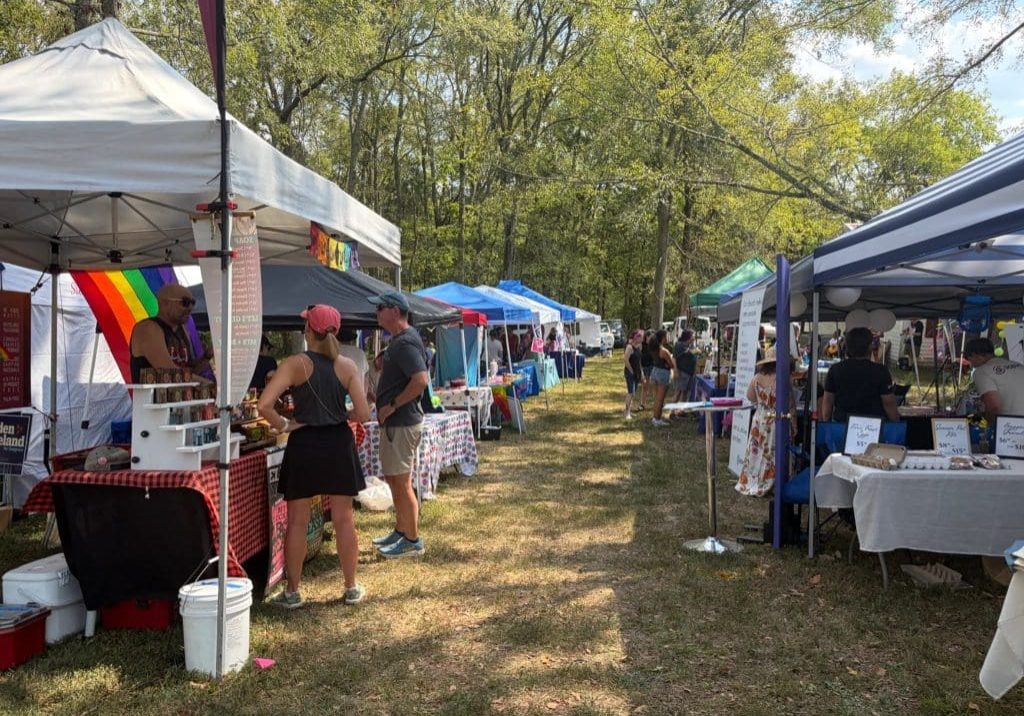
After losing its rural pride celebration, hundreds of people attended the second annual Affirming Sumner Pride celebration on a 24-acre farm dubbed “Fruity Farm” in Bethpage, Sumner County, Tennessee.

Signs of Life
In the Nantahala National Forest, a team of biologists spotted Indiana bats, an endangered species that hasn’t been seen in North Carolina for the last 11 years.

‘First Line of Defense’
During Hurricane Helene and its aftermath, rural fire departments and other first responder hubs played critical roles in keeping their communities safe, even without power and cut off from outside support for days or weeks after the storm. Two years later, plenty of work remains to ensure these hubs have the resources they need to operate day to day and be ready when emergencies or natural disasters strike.

The Rocky Road — and Bridge — to Recovery
Hurricane Helene is estimated to have damaged nearly 7,000 private roads and bridges in Western North Carolina. Two years later, many restoration projects are complete, but the journey hasn’t been easy — and isn’t over for others.
After 20 Years, Letcher County Prison Proposal Is Still Alive, Though Obstacles Remain
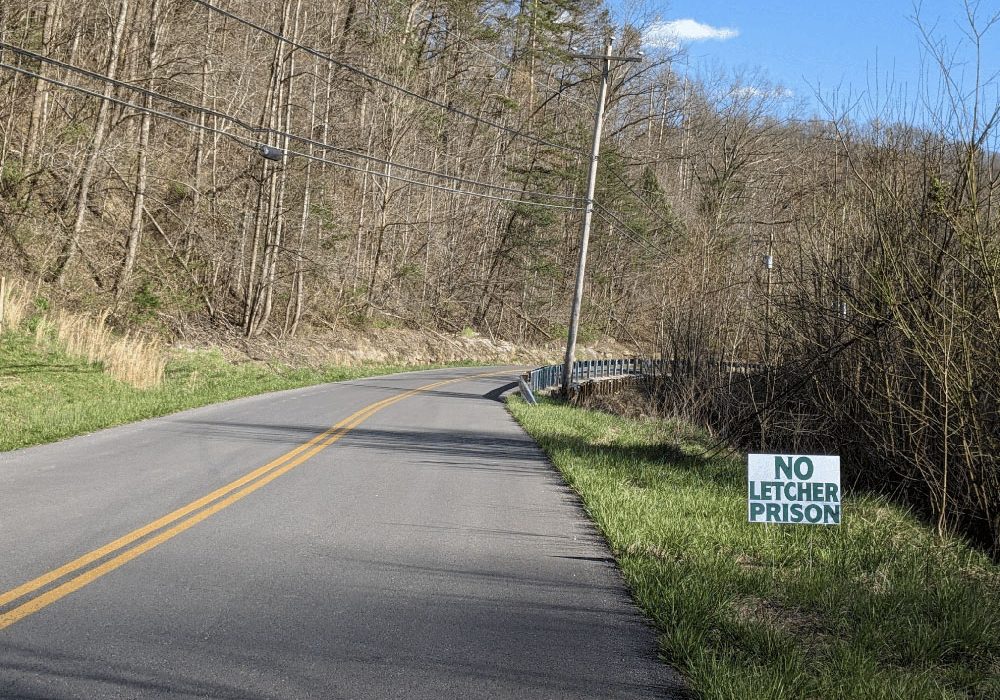
A $605 million proposal for a federal prison on a former strip mine site in Letcher County, Kentucky, championed by U.S. Rep. Hal Rogers, refuses to die, despite local opposition, a lack of support from the executive branch and numerous other obstacles.

Leave a comment
Your email address will not be published. Required fields are marked *
Leave a Comment