

By Kimber Ray
A federal lawsuit alleges that Jacobs Engineering Group knowingly exposed workers to toxic substances during cleanup of the 2008 coal fly ash spill at the Tennessee Valley Authority’s Kingston Fossil Plant in Harriman, Tenn.
The lawsuit, filed Aug. 22, claims Jacobs Engineering deliberately misrepresented the health hazards of fly ash, failed to provide adequate protection to workers, and engaged in improper air quality monitoring. According to the Knox News, the cleanup crew was told that “you could drink fly ash daily and suffer no adverse health effects.”
Workers contend that not only were requests for protective equipment such as dust masks and respirators denied, but also that some workers prescribed such equipment by their doctors were ordered not to wear it.
Jacobs Engineering is also implicated in manipulating air monitoring systems to cover up the extent of hazardous site conditions. To prevent dust movement near the air monitors, the company kept the area near the monitors wet and placed the systems in locations with favorable wind conditions.
While a number of research studies warned of the health hazards posed by coal ash, Dr. Gregory Button, of the University of Tennessee, told the Times Free Press that the TVA assisted government officials in authoring a report that found no harm to the community’s health was expected from the spill.
Mining Waste Polluting the New River
Despite mounting evidence that dangerously high levels of zinc are flowing into Appalachia’s New River from the Indian Branch tributary in Wythe County, Va., Virginia’s Department of Environmental Quality has done little to address the issue.
Local citizens began expressing concerns to the department earlier this year when dissolved minerals in the water caused a milky discoloration. At that time, the level of zinc in Indian Branch was over 30 times the EPA established safe limit. By July that level had soared to 130 times the allowable limit.
A former zinc mine site, now owned by Dixon Lumber Company, was identified as the source of the pollution. A pipe that channeled Indian Branch beneath a field of mine tailings had a leak that was complicated by this year’s unusually heavy rains, contaminating the waterway.
Zinc poisoning can result in headaches, nausea and diarrhea; long-term exposure compromises immunity and cardiovascular health.
Following a Washington Times article by Lisa King regarding the zinc contamination, the department has met with associates from Dixon Lumber to establish a plan for addressing water quality issues.
Summer Rains Dampen Fall Colors
Among the vibrant display of autumn leaves, red may be missing from this season’s palette. According to Kathy Mathews, an associate professor of biology at Western Carolina University, there are three main factors that bestow red coloration: ample sunshine, dry air, and cool temperatures. With this year’s uncommonly wet summer, yellow and orange could be the dominant fall colors. However, the cool nights of September might yet redeem the brilliant reds of fall.
Related Articles
Latest News
More Stories

Halloween Approaches, and Night School Is in Session
The House of Art in Bluefield, West Virginia, looks like a haunted tower, making it the perfect location for its sixth annual haunt event: Night School. The Night School will be open every Friday and Saturday night through Oct. 31.
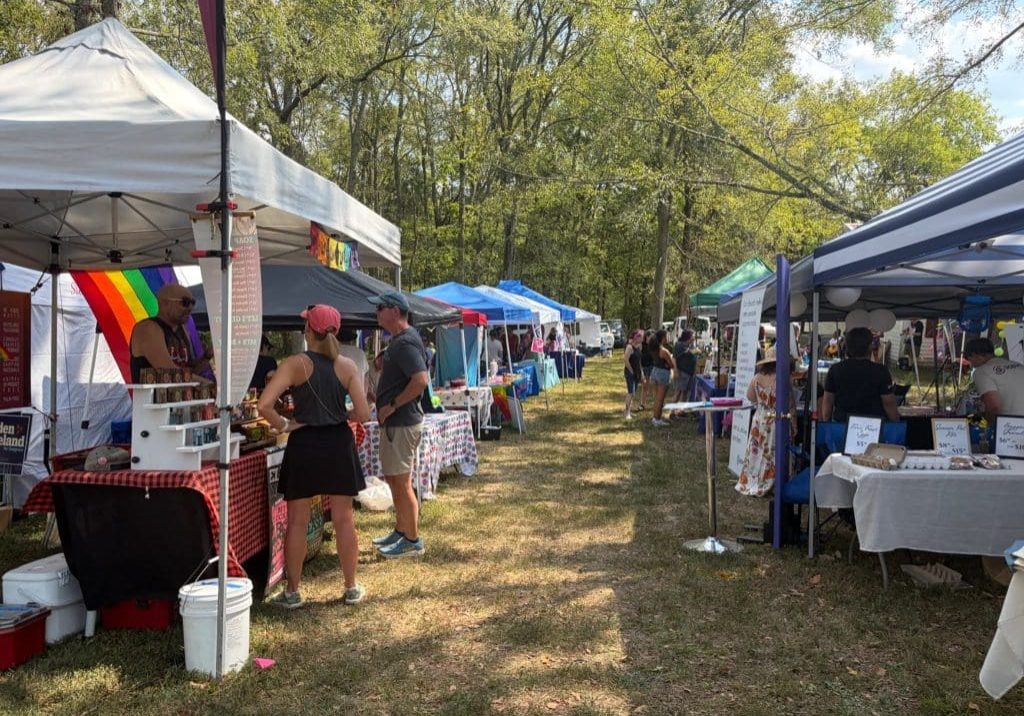
‘The Most Perfect Act of Love’
After losing its rural pride celebration, hundreds of people attended the second annual Affirming Sumner Pride celebration on a 24-acre farm dubbed “Fruity Farm” in Bethpage, Sumner County, Tennessee.

Signs of Life
In the Nantahala National Forest, a team of biologists spotted Indiana bats, an endangered species that hasn’t been seen in North Carolina for the last 11 years.

‘First Line of Defense’
During Hurricane Helene and its aftermath, rural fire departments and other first responder hubs played critical roles in keeping their communities safe, even without power and cut off from outside support for days or weeks after the storm. Two years later, plenty of work remains to ensure these hubs have the resources they need to operate day to day and be ready when emergencies or natural disasters strike.

The Rocky Road — and Bridge — to Recovery
Hurricane Helene is estimated to have damaged nearly 7,000 private roads and bridges in Western North Carolina. Two years later, many restoration projects are complete, but the journey hasn’t been easy — and isn’t over for others.
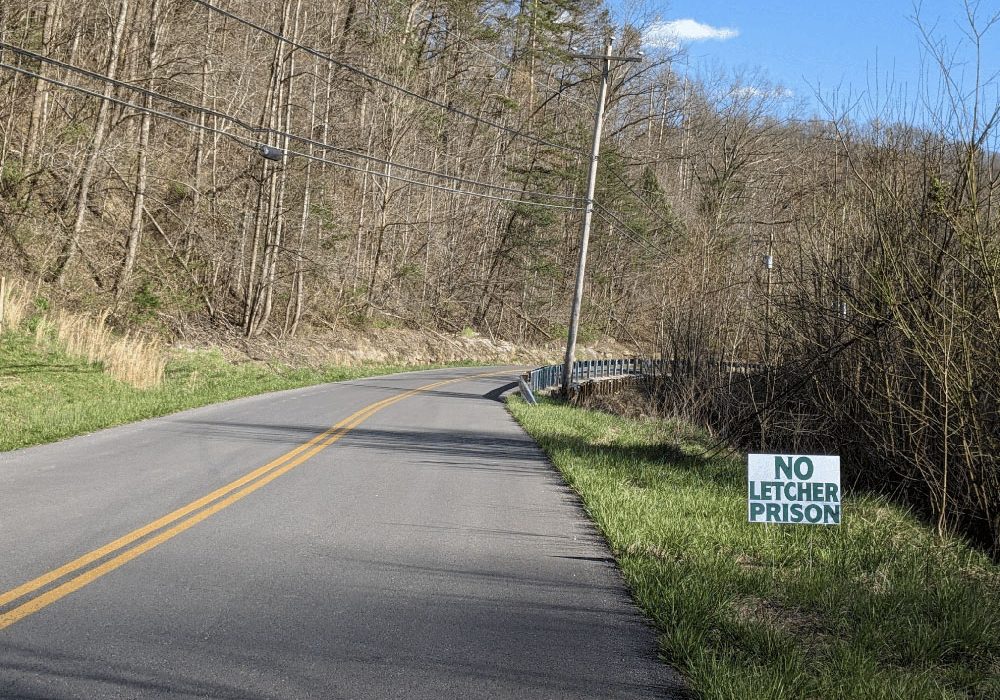
After 20 Years, Letcher County Prison Proposal Is Still Alive, Though Obstacles Remain
A $605 million proposal for a federal prison on a former strip mine site in Letcher County, Kentucky, championed by U.S. Rep. Hal Rogers, refuses to die, despite local opposition, a lack of support from the executive branch and numerous other obstacles.

Leave a comment
Your email address will not be published. Required fields are marked *
Leave a Comment