

By Kimber Ray

“Towers” by Rob Travis won the 2013 Our Ecological Footprint Award
The 11th annual Appalachian Mountain Photography Competition is now open for registration. competition invites both amateur and professional photographers to “showcase their interpretation of the unique character, people, places and pursuits that distinguish the Southern Appalachians.”
Competition categories include: Adventure, Best in Show, Blue Ridge Parkway: People on the Parkway, Culture, Our Ecological Footprint, Flora/Fauna, Landscape, and People’s Choice. The Our Ecological Footprint category, sponsored by Appalachian Voices and Mast General Store, is a chance for artists and the public to reflect on the human impact on the natural world.
The competition is supported by Virtual Blue Ridge, the Blue Ridge Parkway Foundation, Appalachian State University Outdoor Programs, the Turchin Center for the Visual Arts, and Mast General Store, among others.
$4,000 in cash and prizes is available; winners will be announced at the end of March, 2014. Approximately 46 entries will be chosen for exhibition at the Turchin Center for the Visual Arts in Boone, N.C., from April 4 to June 7. Submission deadline is Nov. 22. There is a $6 fee per image entered. Visit: appmtnphotocomp.org.
A Victory for Clean Water in Kentucky
This September marked a milestone success on the way to upholding the Clean Water Act, as a Kentucky court overruled a lax wastewater discharge permit at a coal-fired power plant in Trimble County. Under the original permit, Louisville Gas and Electric could release toxic coal ash — which contains pollutants such as mercury and arsenic — into the Ohio River.
The case was brought to court by several Kentucky-based environmental groups who asserted that the Kentucky Division of Water had issued a permit that was both unlawful and a threat to public health. The judge ruled that environmental regulators had failed to conduct proper analysis before issuing the permit, and sent it back to the agency for review and correction.
New River Land Trust Awarded Official Accreditation
After three years of rigorous assessment, The New River Land Trust will be joining the ranks of more than 200 of the nation’s most trusted conservation organizations. For its accomplishments in fostering public confidence while ensuring permanent land conservation, the organization has received official accreditation by the national Land Trust Alliance Accreditation Commission.
“By achieving accreditation, the NRLT has become an even more professional and capable land trust organization,” Board President Ann-Margaret Shortt declared in a recent press release. “Our permanence in, and dedication to, the New River region has been proven.”
The land trust has helped protect more than 22 miles of forests and farms along the New River. This year is shaping up to be both busy and fruitful as the group continues to educate landowners on the benefits of devoting their land to conservation.
Related Articles
Latest News
More Stories
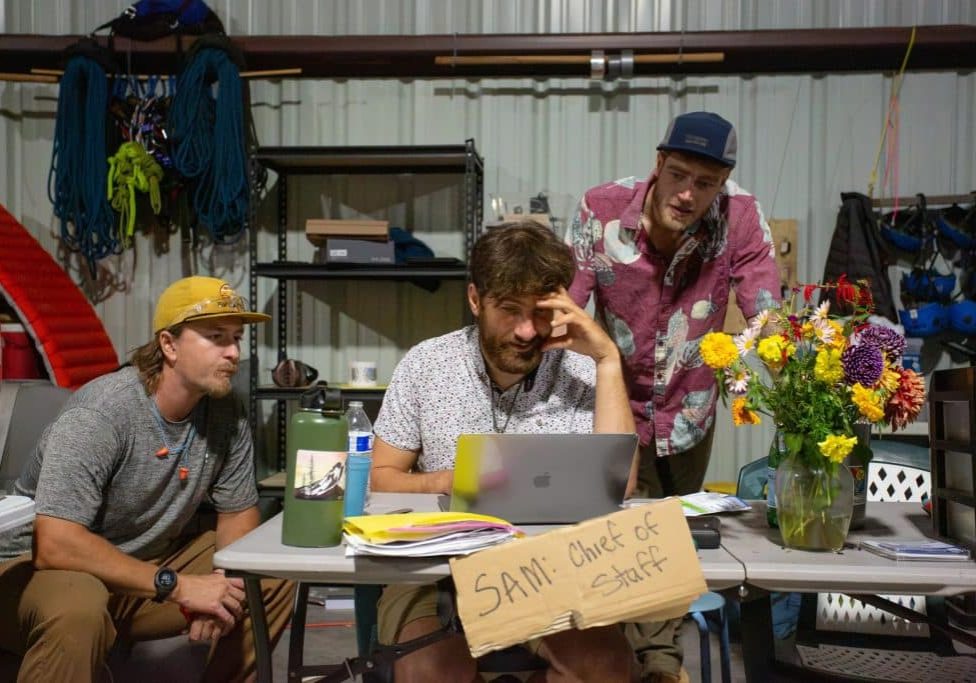
Neighbors Help Neighbors
A photo essay that celebrates the volunteer spirit of the grassroots group Hurricane Helene WNC and speaks to the resourcefulness, collaboration and hard work embodied by thousands and thousands of volunteers, first responders and aid workers across the region after Hurricane Helene.

Halloween Approaches, and Night School Is in Session
The House of Art in Bluefield, West Virginia, looks like a haunted tower, making it the perfect location for its sixth annual haunt event: Night School. The Night School will be open every Friday and Saturday night through Oct. 31.
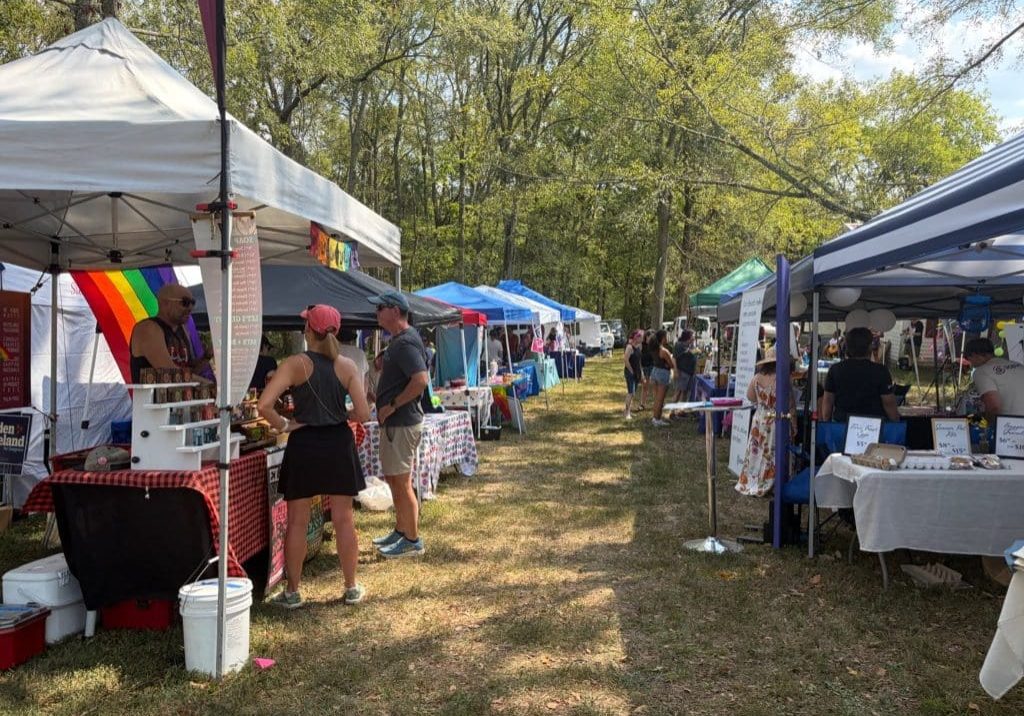
‘The Most Perfect Act of Love’
Hundreds of people attended the second annual Affirming Sumner Pride celebration on a 24-acre farm dubbed “Fruity Farm” in Bethpage, Sumner County, Tennessee.

Signs of Life: Endangered Bats Found in Nantahala for First Time in More Than a Decade
In the Nantahala National Forest, a team of biologists spotted Indiana bats, an endangered species that hasn’t been seen in North Carolina for the last 11 years.
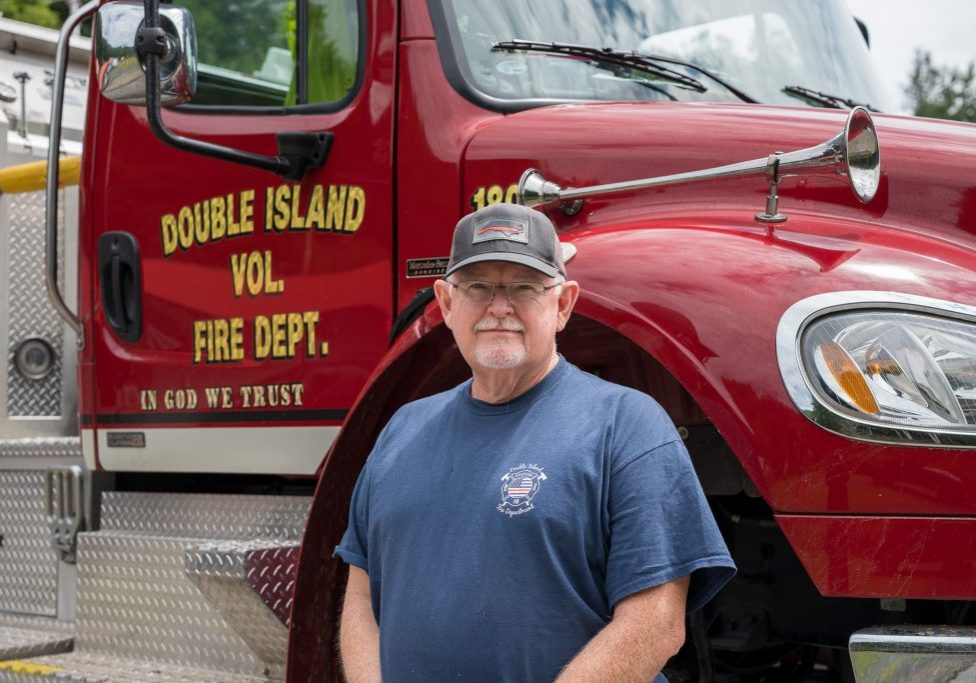
‘First Line of Defense’
During Hurricane Helene and its aftermath, rural fire departments and other first responder hubs played critical roles in keeping their communities safe, even without power and cut off from outside support for days or weeks after the storm. Two years later, plenty of work remains to ensure these hubs have the resources they need to operate day to day and be ready when emergencies or natural disasters strike.
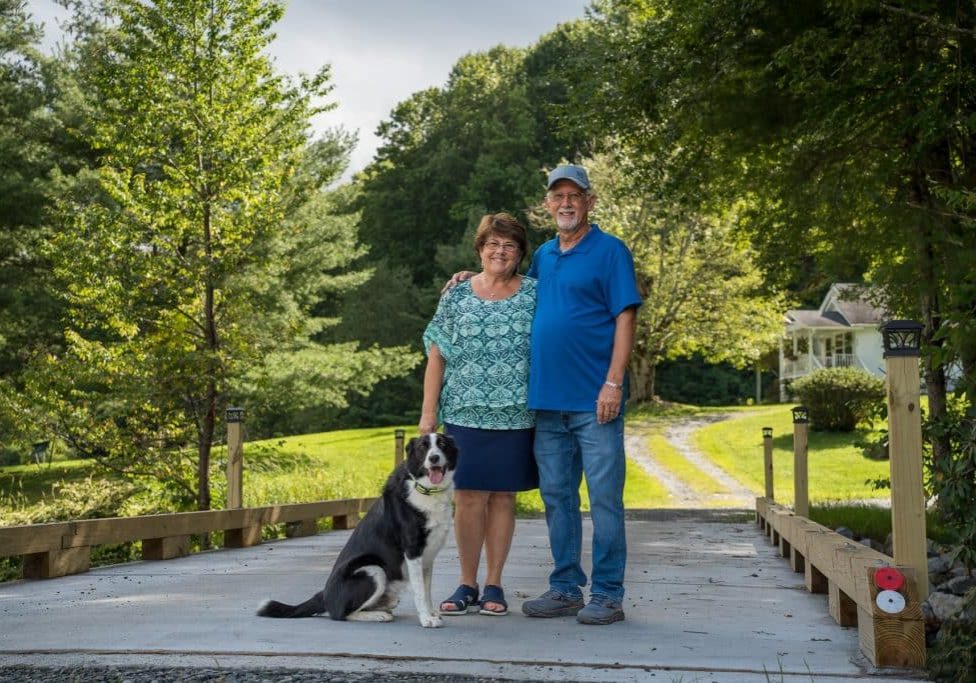
The Rocky Road — and Bridge — to Recovery
Hurricane Helene is estimated to have damaged nearly 7,000 private roads and bridges in Western North Carolina. Two years later, many restoration projects are complete, but the journey hasn’t been easy — and isn’t over for others.

Leave a comment
Your email address will not be published. Required fields are marked *
Leave a Comment