

A Call for Climate Security
 In America, our view of the wider world is often colored by concerns about security. But today, international security is about more than tariffs and terrorism — it’s about protecting access to clean water and the productivity of the farms that feed the world.
Sea level rise might be a punchline for certain political audiences, but to the Pentagon, the U.S. Central Intelligence Agency and nations around the world, an unstable climate is no idle threat.
“The world is barreling down a path to heat up by 4 degrees [Celsius] at the end of the century if the global community fails to act on climate change, triggering a cascade of cataclysmic changes that include extreme heat-waves, declining global food stocks and a sea-level rise affecting hundreds of millions of people,” the World Bank cautioned in a November report.
Climate change will likely hit developing countries hardest but its effects don’t respect international borders. We’re directly affected by increasingly violent storms and droughts, but those are just the most apparent effects of global temperature increases.
When 11 retired generals and admirals were convened by a nonprofit research organization to assess the situation, their report warned, “Climate change can act as a threat multiplier for instability in some of the most volatile regions of the world, and it presents significant national security challenges for the United States.”
To create a truly secure world, we need sound energy policies that foster a stable climate.
Talk of energy security inevitably raises cries of “Drill, baby, drill!” But establishing American energy independence on the back of fossil fuels means pushing the world further toward climate chaos and spawning humanitarian and ecological crises with a web of impacts more difficult to predict or understand than a flooded New York subway system or the demise of Appalachia’s salamanders.
Any energy policy that threatens global access to food and water, that pushes island nations underwater or leads to the destruction of a region’s natural heritage will not lead to a secure future. If we let our elected leaders get away with threatening world stability in the name of false energy “security” that benefits a few in the short term and none in the long term, we will have failed our children and the planet.
Instead, we need to realize our potential by building an energy system that prioritizes efficiency and renewable sources of power, and we need to do it now.
Across Appalachia and around the world, communities are coming together to support smart growth and sustainable practices and make the clean energy future a reality. The climate crisis is global, but the solution begins at home.
Related Articles
Latest News
More Stories

Halloween Approaches, and Night School Is in Session
The House of Art in Bluefield, West Virginia, looks like a haunted tower, making it the perfect location for its sixth annual haunt event: Night School. The Night School will be open every Friday and Saturday night through Oct. 31.
‘The Most Perfect Act of Love’
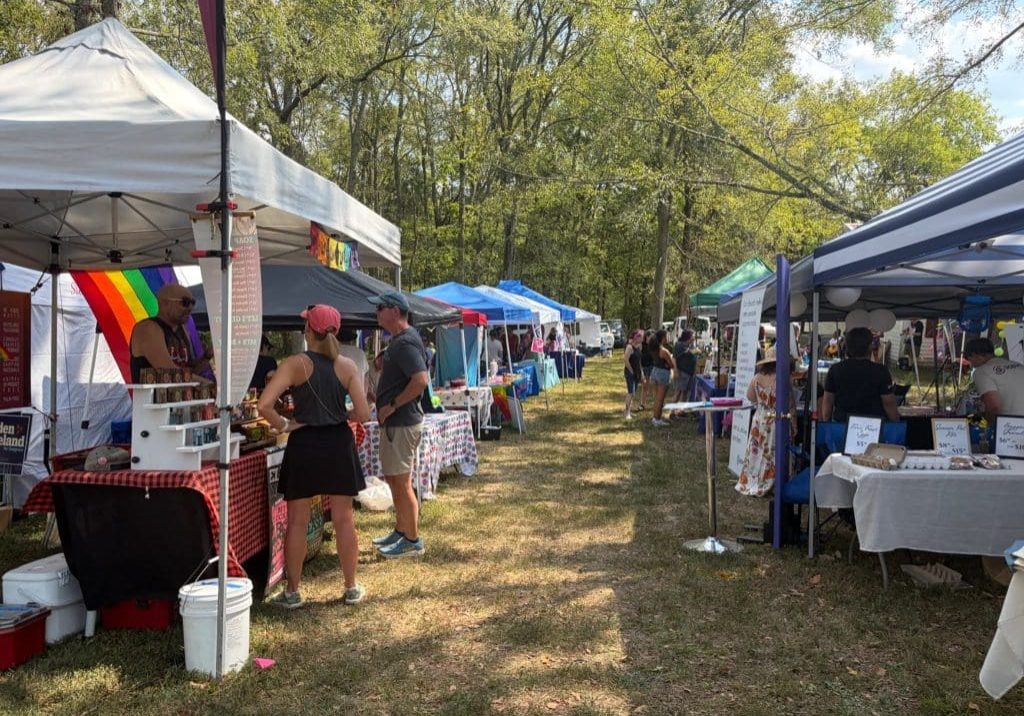
After losing its rural pride celebration, hundreds of people attended the second annual Affirming Sumner Pride celebration on a 24-acre farm dubbed “Fruity Farm” in Bethpage, Sumner County, Tennessee.

Signs of Life
In the Nantahala National Forest, a team of biologists spotted Indiana bats, an endangered species that hasn’t been seen in North Carolina for the last 11 years.

‘First Line of Defense’
During Hurricane Helene and its aftermath, rural fire departments and other first responder hubs played critical roles in keeping their communities safe, even without power and cut off from outside support for days or weeks after the storm. Two years later, plenty of work remains to ensure these hubs have the resources they need to operate day to day and be ready when emergencies or natural disasters strike.

The Rocky Road — and Bridge — to Recovery
Hurricane Helene is estimated to have damaged nearly 7,000 private roads and bridges in Western North Carolina. Two years later, many restoration projects are complete, but the journey hasn’t been easy — and isn’t over for others.
After 20 Years, Letcher County Prison Proposal Is Still Alive, Though Obstacles Remain
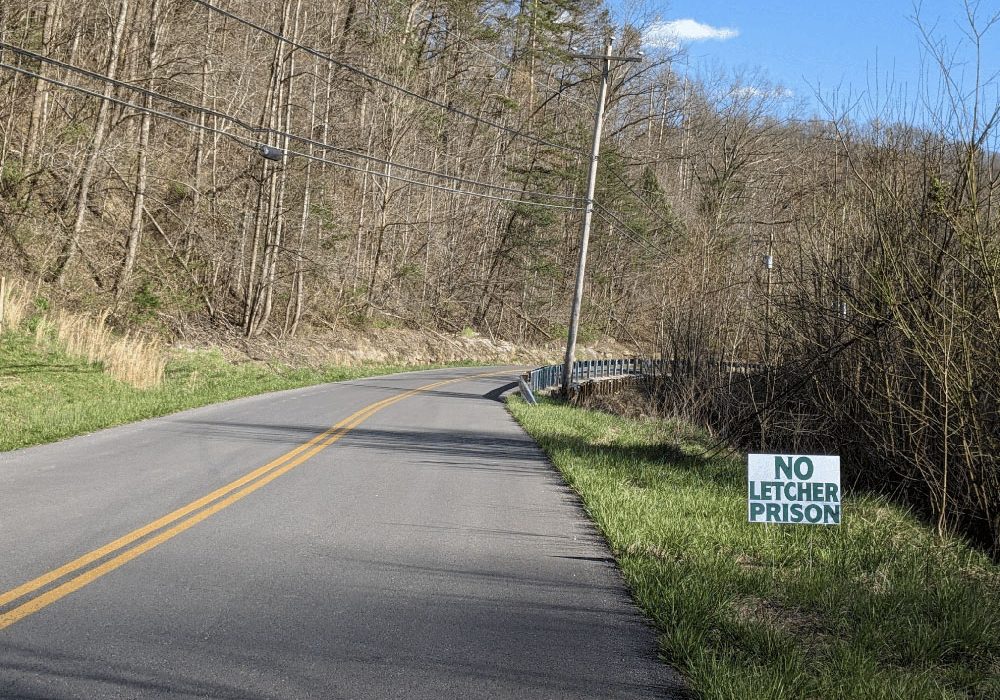
A $605 million proposal for a federal prison on a former strip mine site in Letcher County, Kentucky, championed by U.S. Rep. Hal Rogers, refuses to die, despite local opposition, a lack of support from the executive branch and numerous other obstacles.

Leave a comment
Your email address will not be published. Required fields are marked *
Leave a Comment