

Chloe and Elijah Rose
Clay, W.Va.
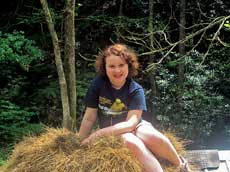
Chloe Rose, age eight, wants recycling bins on the streets of her town, and she wants the trash pickup at the newspaper her mother works at to include paper recycling.
Those are big changes for a third-grader to tackle, but Chloe, a soon-to-be published author, plans to donate proceeds from the children’s book she co-wrote with her mother toward recycling in her town of Clay, W. Va. The book, “The Snake That Eats Cake,” tells of a serpent with a sweet tooth, a story she hopes will tell kids that, “being different is not a bad thing to be.”
Chloe feels like all kids can contribute to protecting the environment by recycling and conserving water and electricity. “I think recycling’s important because it helps clean the environment,” Chloe says. “And my birthday is on Earth Day!” She credits her parents with shaping her environmental outlook, but her big brother probably has something to do with it too.
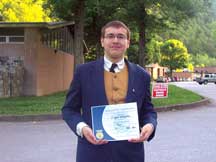
Elijah Rose is a junior at Clay County High School, where he’s been part of the Future Farmers of America chapter for three years. Last year he won the West Virginia’s FFA State Fair Competition with a project demonstrating a farm powered by clean energy. For this year’s competition, he was inspired by his mother’s journalism job and constructed a model frog out of 75 newspapers to call attention to the ways newspapers can be recycled. Farmers can use recycled newspapers to enhance gardens and enrich compost piles, he writes.
Eventually, Elijah hopes to own a farm of his own and raise fruit and nut trees. His involvement with Future Farmers of America is one step toward a future of sustainable forestry and stewardship. “I want to continue the fight my parents have been fighting since before I was born and ensure that West Virginia is a healthy place to one day raise my own children,” he says. — By Molly Moore
Related Articles
Latest News
More Stories

Halloween Approaches, and Night School Is in Session
The House of Art in Bluefield, West Virginia, looks like a haunted tower, making it the perfect location for its sixth annual haunt event: Night School. The Night School will be open every Friday and Saturday night through Oct. 31.
‘The Most Perfect Act of Love’
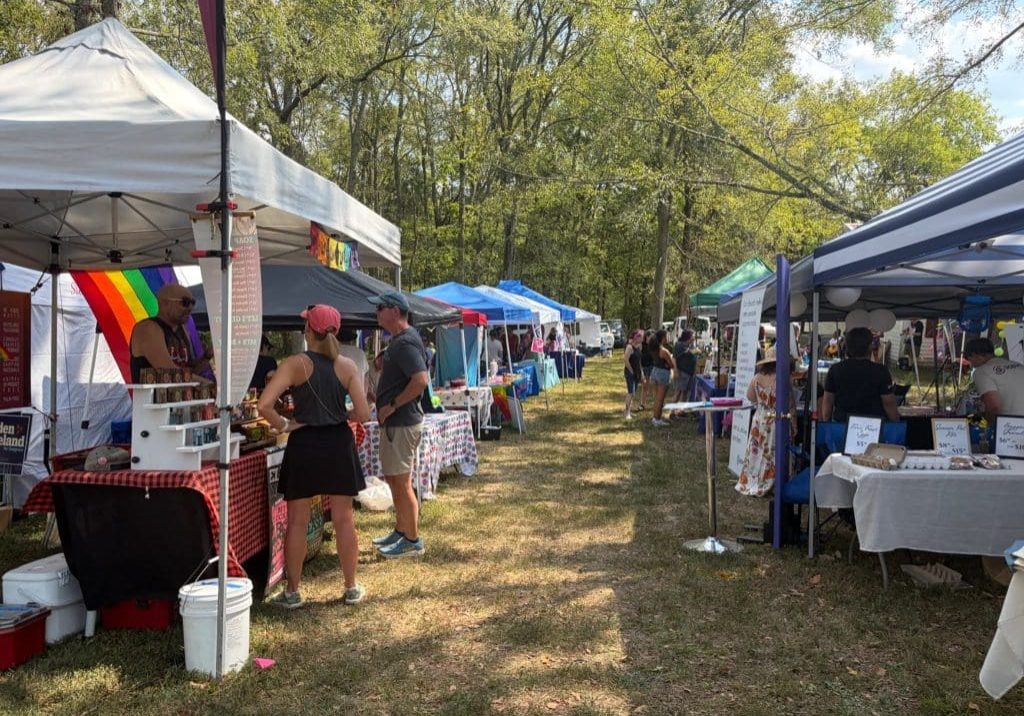
After losing its rural pride celebration, hundreds of people attended the second annual Affirming Sumner Pride celebration on a 24-acre farm dubbed “Fruity Farm” in Bethpage, Sumner County, Tennessee.
Signs of Life
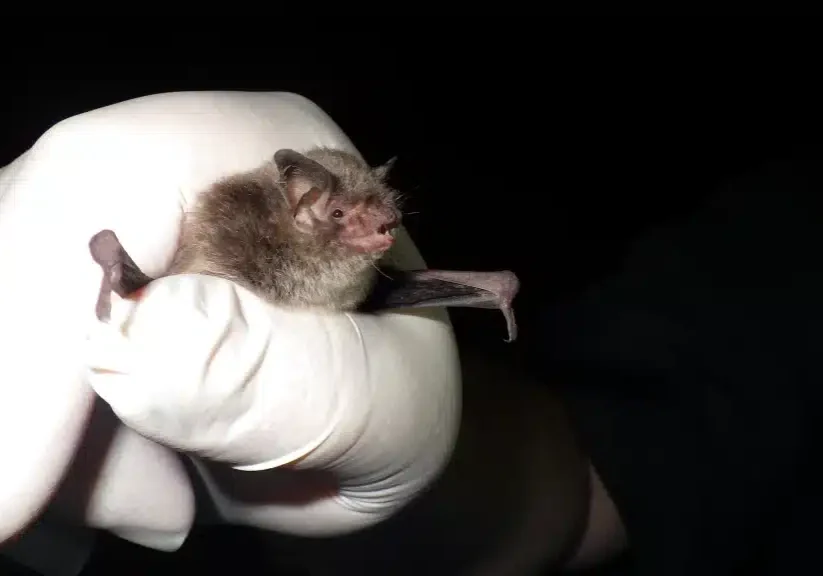
In the Nantahala National Forest, a team of biologists spotted Indiana bats, an endangered species that hasn’t been seen in North Carolina for the last 11 years.

‘First Line of Defense’
During Hurricane Helene and its aftermath, rural fire departments and other first responder hubs played critical roles in keeping their communities safe, even without power and cut off from outside support for days or weeks after the storm. Two years later, plenty of work remains to ensure these hubs have the resources they need to operate day to day and be ready when emergencies or natural disasters strike.

The Rocky Road — and Bridge — to Recovery
Hurricane Helene is estimated to have damaged nearly 7,000 private roads and bridges in Western North Carolina. Two years later, many restoration projects are complete, but the journey hasn’t been easy — and isn’t over for others.
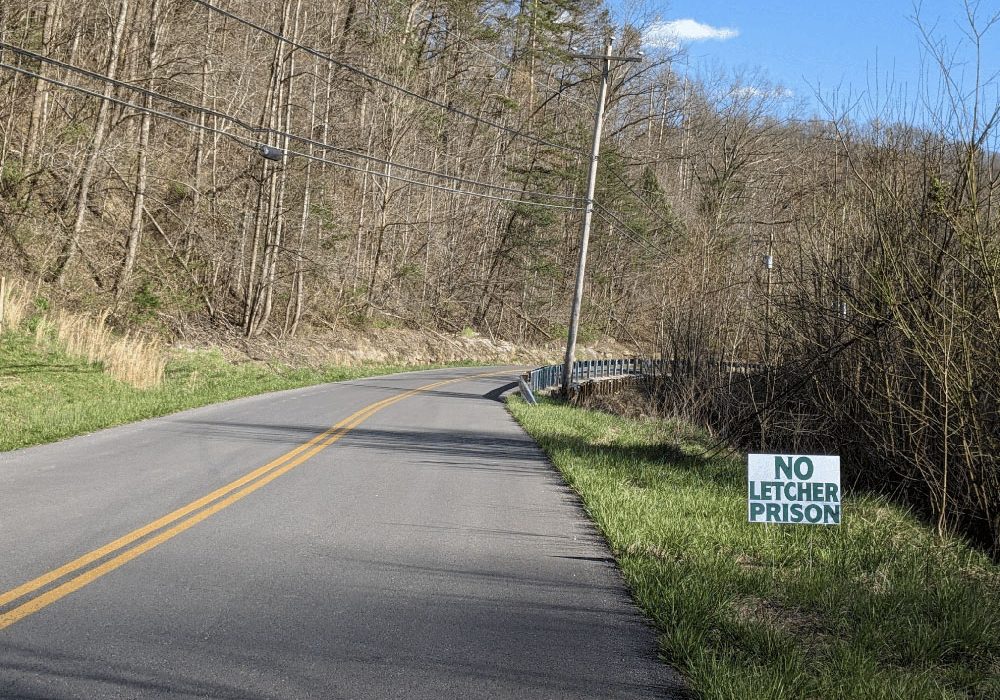
After 20 Years, Letcher County Prison Proposal Is Still Alive, Though Obstacles Remain
A $605 million proposal for a federal prison on a former strip mine site in Letcher County, Kentucky, championed by U.S. Rep. Hal Rogers, refuses to die, despite local opposition, a lack of support from the executive branch and numerous other obstacles.

Leave a comment
Your email address will not be published. Required fields are marked *
Leave a Comment