

Letter to the Editor
Chicken Farms Fowl Water Quality in N.C.
Dear Editor,
I appreciate your special on water pollution in our region (Changing Currents, August/September 2012). There is a more serious problem, however. Just down the mountain and around the corner from your office in Boone, N.C., there is an ongoing crime being committed against man and nature. We are suffering from a boom in chicken factories which are beyond the law because they call themselves farms.
These so-called “farms” are being constructed at a rapid pace especially in Burke, Catawba, and Cleveland Counties [in North Carolina]. They are being built here to grab and use up our common heritage, our water table that has been created by the earth over millions of years.
The numbers are amazing. Each “house” uses as much as 10 gallons a minute to keep their fine feathered friends from dying of heat stroke. Most farms are hooked up to city water but use it only if (or when) their wells run dry, which is happening with increasing frequency. To do the math: one house using 10 gal. per minute will use 600 gallons an hour or 14,400 gallons per day. With the cooling season here stretching to 200 days per annum, that one house may use two million, eight hundred and eight thousand gallons in a year. One “farm” now under development is slated to have 30 of these houses. That is 56 plus million gallons per year. The notion that this can be sustained for any length of time is risible.
Thirty-five years ago when I bought a small piece of our family farm, I hauled my domestic water from a spring behind my house. The spring is now dry. The creek it fed is now dry. Five years ago my drinking water well ran dry. This year a second, deeper well also went dry. The Western N.C. Council of Governments got a grant to run city water down the road I live on, but because our property is about 50 feet short of the road I was not eligible for a subsidized hook up. Many others in this rural area of southern Burke are in similar straits.
The North Carolina Dept of Natural Resources’ hands are tied as they are not allowed to regulate “agriculture.” It seems inevitable that we will look back 20 or maybe five years from now and realize we have destroyed our environment to keep a bunch of chickens cool. Who will help? Will you?
Thanks
P. Loch Hoffman
Burke County, N.C.
Related Articles
Latest News
More Stories

Halloween Approaches, and Night School Is in Session
The House of Art in Bluefield, West Virginia, looks like a haunted tower, making it the perfect location for its sixth annual haunt event: Night School. The Night School will be open every Friday and Saturday night through Oct. 31.
‘The Most Perfect Act of Love’
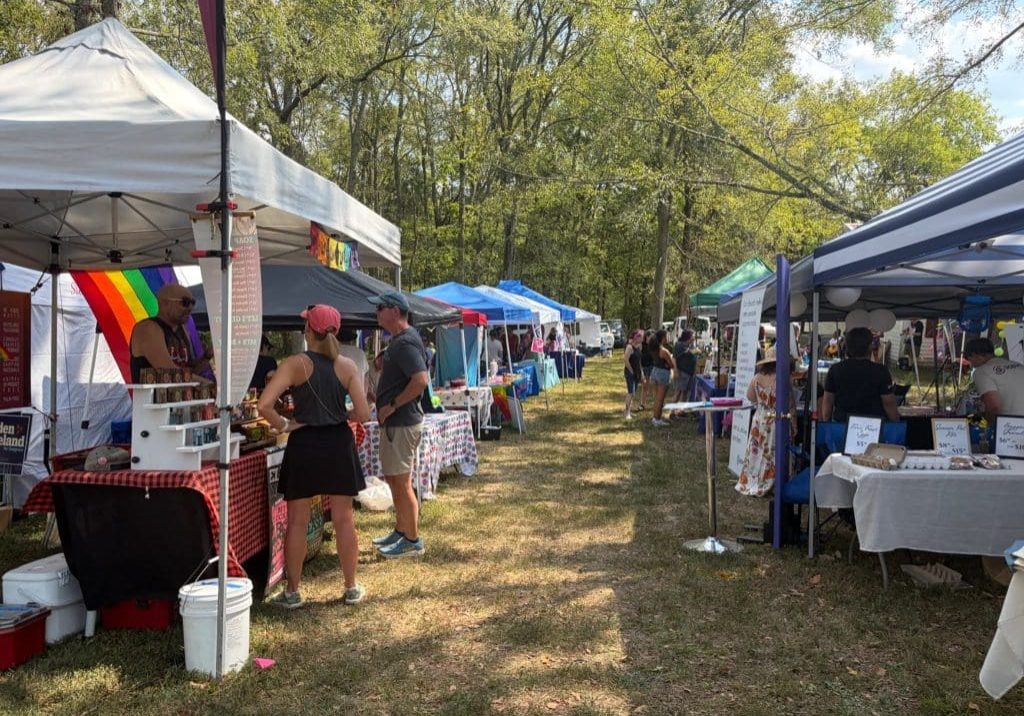
After losing its rural pride celebration, hundreds of people attended the second annual Affirming Sumner Pride celebration on a 24-acre farm dubbed “Fruity Farm” in Bethpage, Sumner County, Tennessee.
Signs of Life
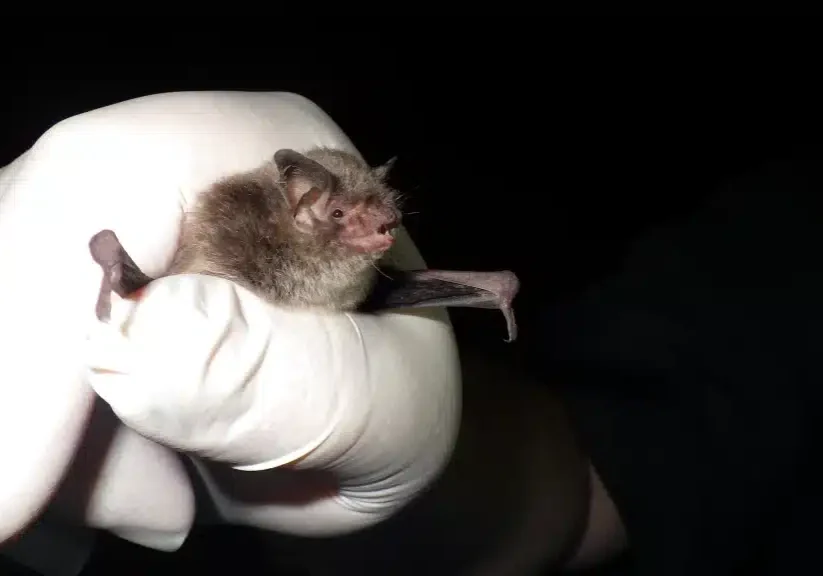
In the Nantahala National Forest, a team of biologists spotted Indiana bats, an endangered species that hasn’t been seen in North Carolina for the last 11 years.

‘First Line of Defense’
During Hurricane Helene and its aftermath, rural fire departments and other first responder hubs played critical roles in keeping their communities safe, even without power and cut off from outside support for days or weeks after the storm. Two years later, plenty of work remains to ensure these hubs have the resources they need to operate day to day and be ready when emergencies or natural disasters strike.

The Rocky Road — and Bridge — to Recovery
Hurricane Helene is estimated to have damaged nearly 7,000 private roads and bridges in Western North Carolina. Two years later, many restoration projects are complete, but the journey hasn’t been easy — and isn’t over for others.
After 20 Years, Letcher County Prison Proposal Is Still Alive, Though Obstacles Remain
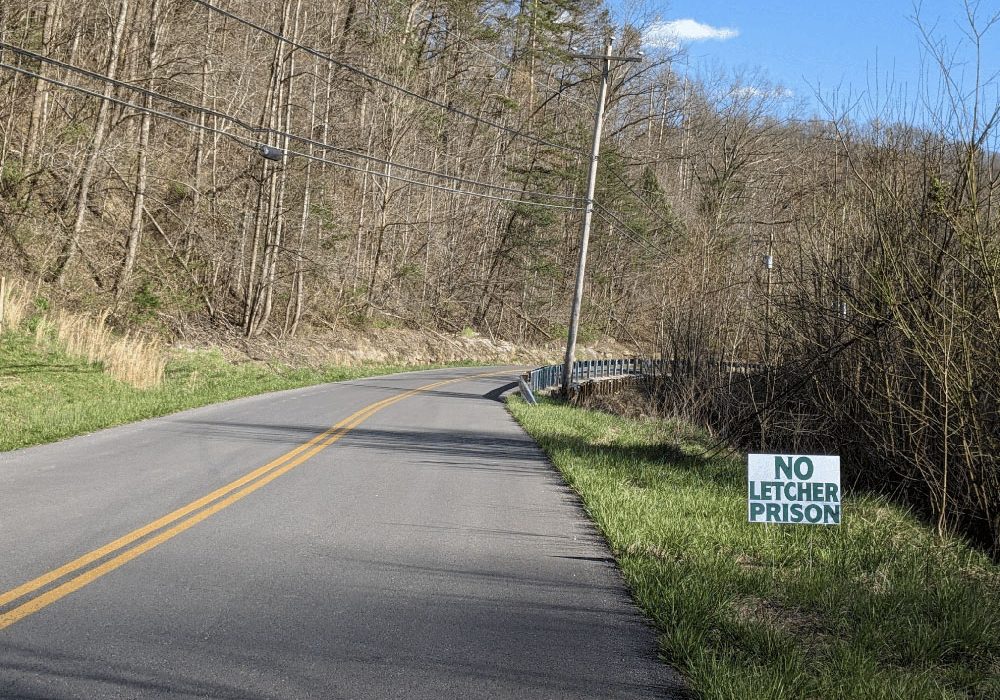
A $605 million proposal for a federal prison on a former strip mine site in Letcher County, Kentucky, championed by U.S. Rep. Hal Rogers, refuses to die, despite local opposition, a lack of support from the executive branch and numerous other obstacles.

Leave a comment
Your email address will not be published. Required fields are marked *
Leave a Comment