

Concerned Citizens Dispute Water Quality Study
The Whitesville, W.Va.-based Sludge Safety Project is claiming that a recent study of the water quality in an area of Boone County by the West Virginia Department of Environmental Protection used flawed research methods, contains errors and misinterprets its own data.
In January, the WVDEP completed a year-long study that found that drinking water supplies in the area surrounding Prenter Hollow were not coal-mining impacted. Residents of Prenter have complained of “blackwater” events and contamination that they believe is the result of injecting coal slurry into abandoned underground mines.
WVDEP commissioned Triad Engineering to conduct the year-long study of the geology and hydrology of the area, interview impacted residents and examine samples from domestic wells.
A week before the WVDEP study was released, the Sludge Safety Project rallied at the state Capitol to share results of independent studies concluding that coal slurry contaminated Prenter residents’ water. In 2008, Prenter residents filed a lawsuit against a group of coal companies claiming that underground slurry injection from a Massey Energy coal facility and other coal preparation plants contaminated their underground water supply.
The Battle For Blair Mountain Continues
With new reports of heavy equipment activity on Blair Mountain, residents are growing increasingly concerned that Arch Coal could begin strip mining the historic site of the 1921 battle for coal miners’ rights.
In February, Arch Coal announced record profits for the fourth quarter of 2011. One of the nation’s largest coal producers, Arch has four planned operations on Blair Mountain, some of which intrude onto the historic battlefield.
Supporters are exploring new ways to protect the mountain. The Blair Community Center and Museum, a non-profit organization located in Logan County, W Va., opened in the fall of 2011 to promote and preserve the history of Blair Mountain and educate the public on the environmental destruction caused by strip mining on the mountain.
The Community Center and Museum is currently running a special fundraising campaign for improvements to the museum building — including much-needed roof repair and a heating system — and to enhance the museum’s collection, including showcases, frames and important museum pieces. Future projects the center hopes to pursue include converting the building to solar power and constructing a community garden greenhouse.
The Blair Mountain Community Center and Museum has a goal of reaching $10,000 by the end of April. Visit indiegogo.com/the-start-of-a-new-beginning, to learn more.
Related Articles
Latest News
More Stories
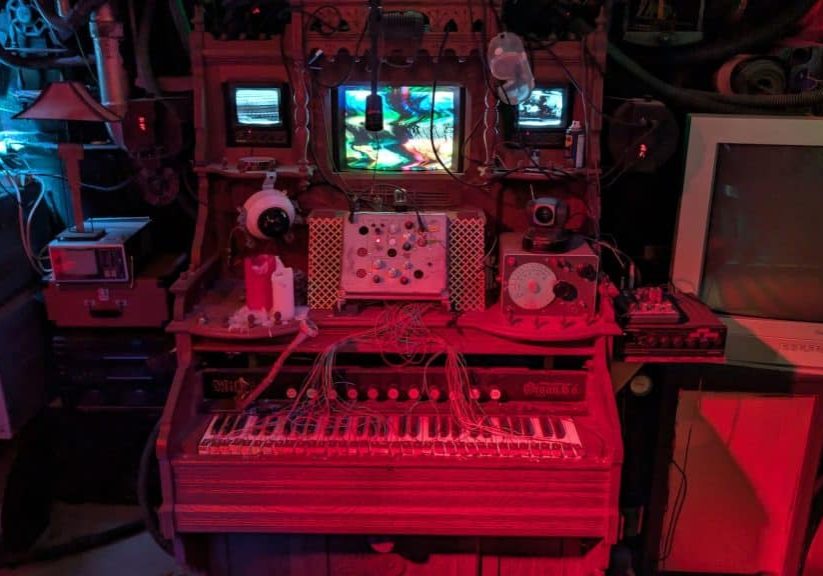
Halloween Approaches, and Night School Is in Session
The House of Art in Bluefield, West Virginia, looks like a haunted tower, making it the perfect location for its sixth annual haunt event: Night School. The Night School will be open every Friday and Saturday night through Oct. 31.
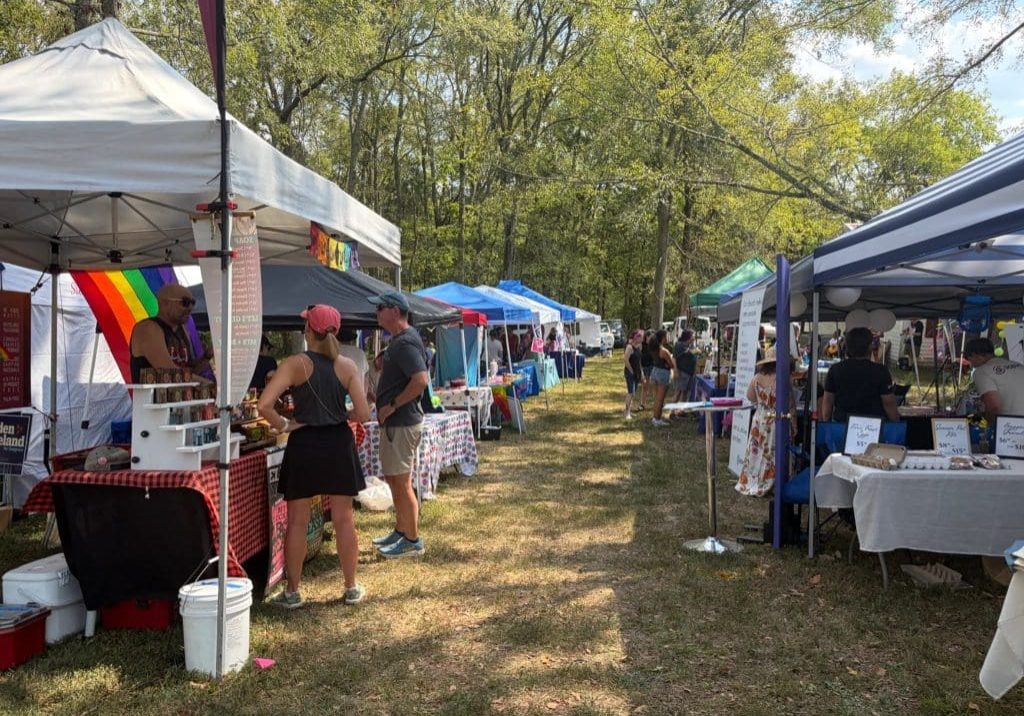
‘The Most Perfect Act of Love’
After losing its rural pride celebration, hundreds of people attended the second annual Affirming Sumner Pride celebration on a 24-acre farm dubbed “Fruity Farm” in Bethpage, Sumner County, Tennessee.
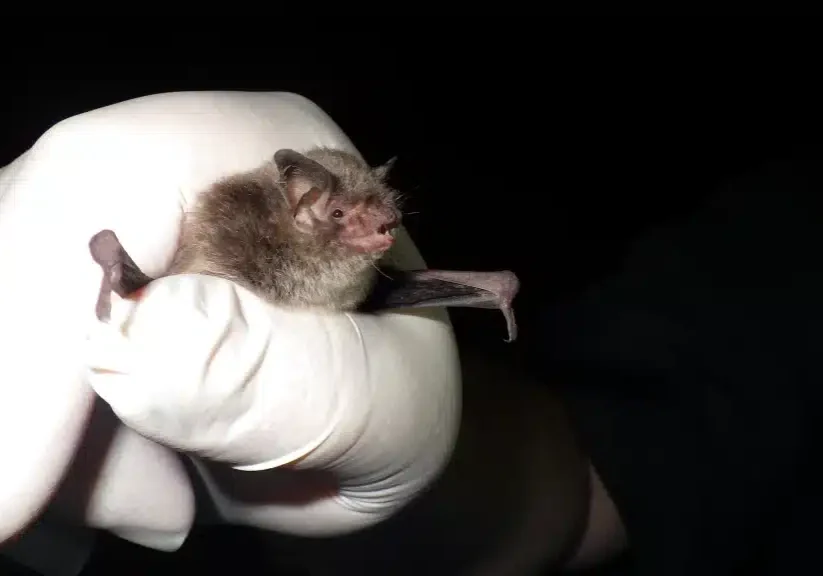
Signs of Life
In the Nantahala National Forest, a team of biologists spotted Indiana bats, an endangered species that hasn’t been seen in North Carolina for the last 11 years.
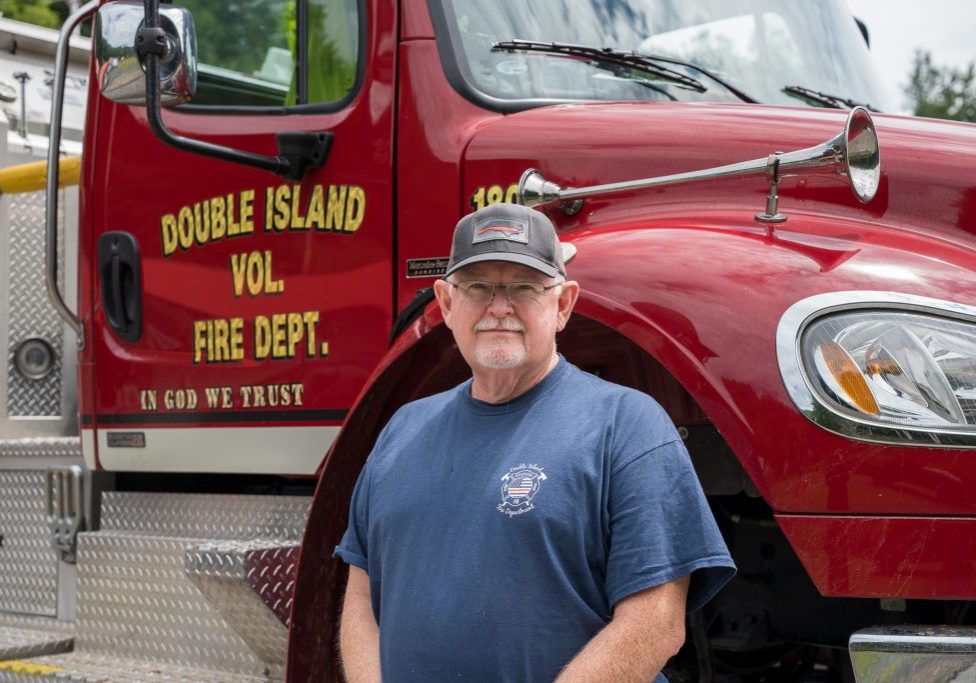
‘First Line of Defense’
During Hurricane Helene and its aftermath, rural fire departments and other first responder hubs played critical roles in keeping their communities safe, even without power and cut off from outside support for days or weeks after the storm. Two years later, plenty of work remains to ensure these hubs have the resources they need to operate day to day and be ready when emergencies or natural disasters strike.
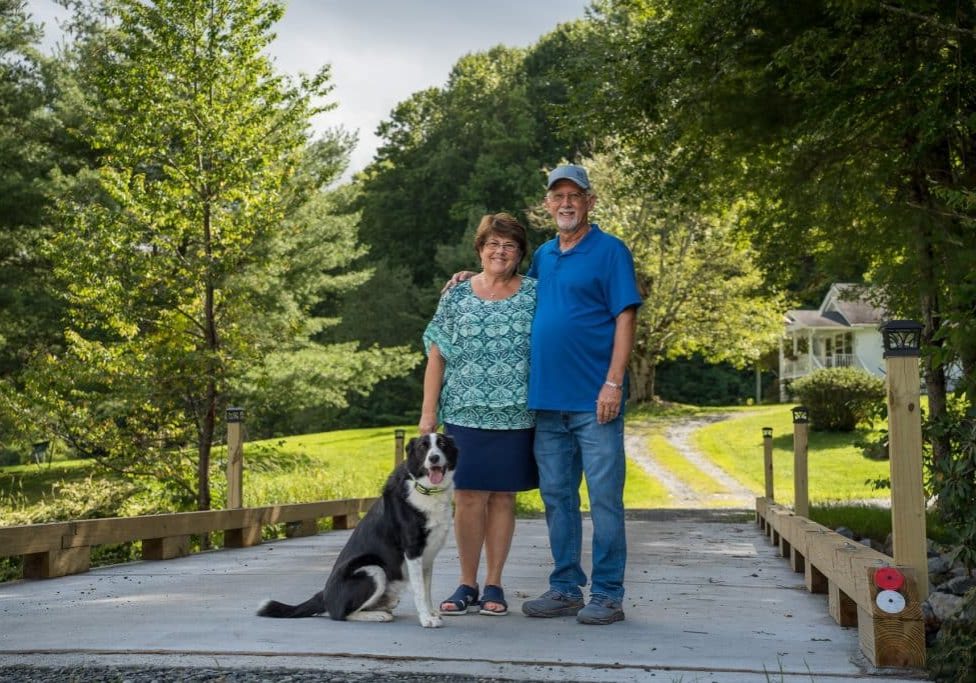
The Rocky Road — and Bridge — to Recovery
Hurricane Helene is estimated to have damaged nearly 7,000 private roads and bridges in Western North Carolina. Two years later, many restoration projects are complete, but the journey hasn’t been easy — and isn’t over for others.
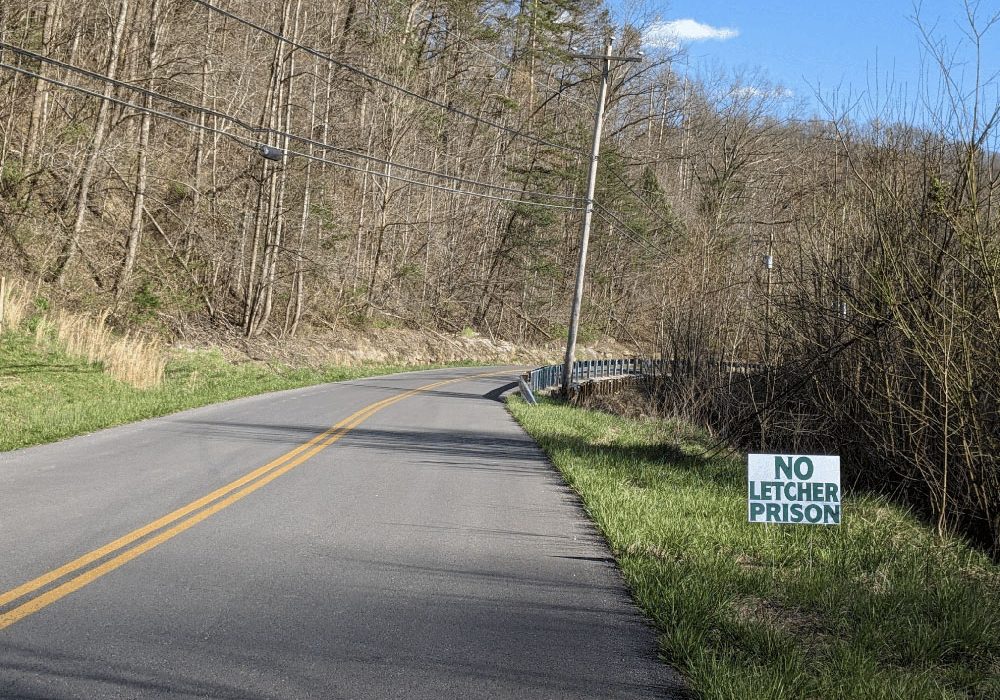
After 20 Years, Letcher County Prison Proposal Is Still Alive, Though Obstacles Remain
A $605 million proposal for a federal prison on a former strip mine site in Letcher County, Kentucky, championed by U.S. Rep. Hal Rogers, refuses to die, despite local opposition, a lack of support from the executive branch and numerous other obstacles.

Leave a comment
Your email address will not be published. Required fields are marked *
Leave a Comment